
Free written scope consultation - allowances, timeline, and change-order rules on paper before a single trade is scheduled
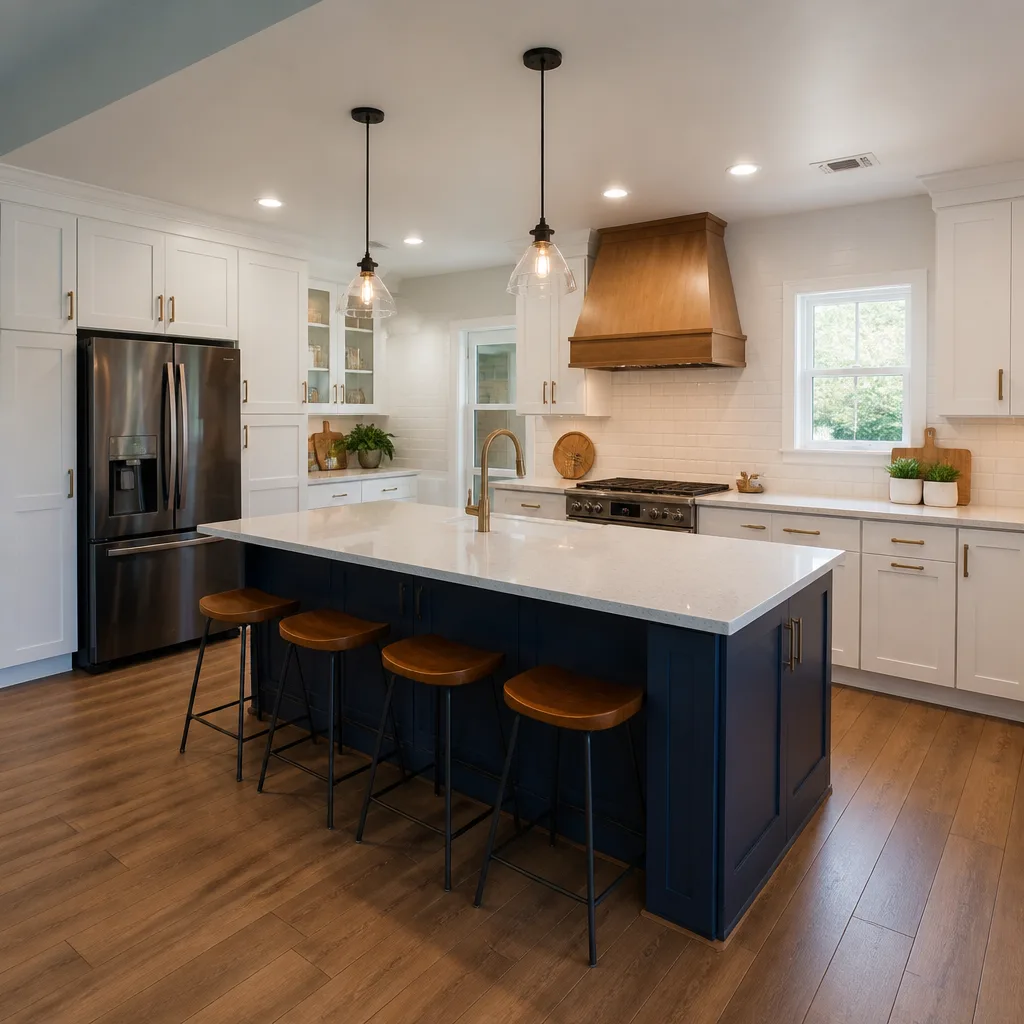
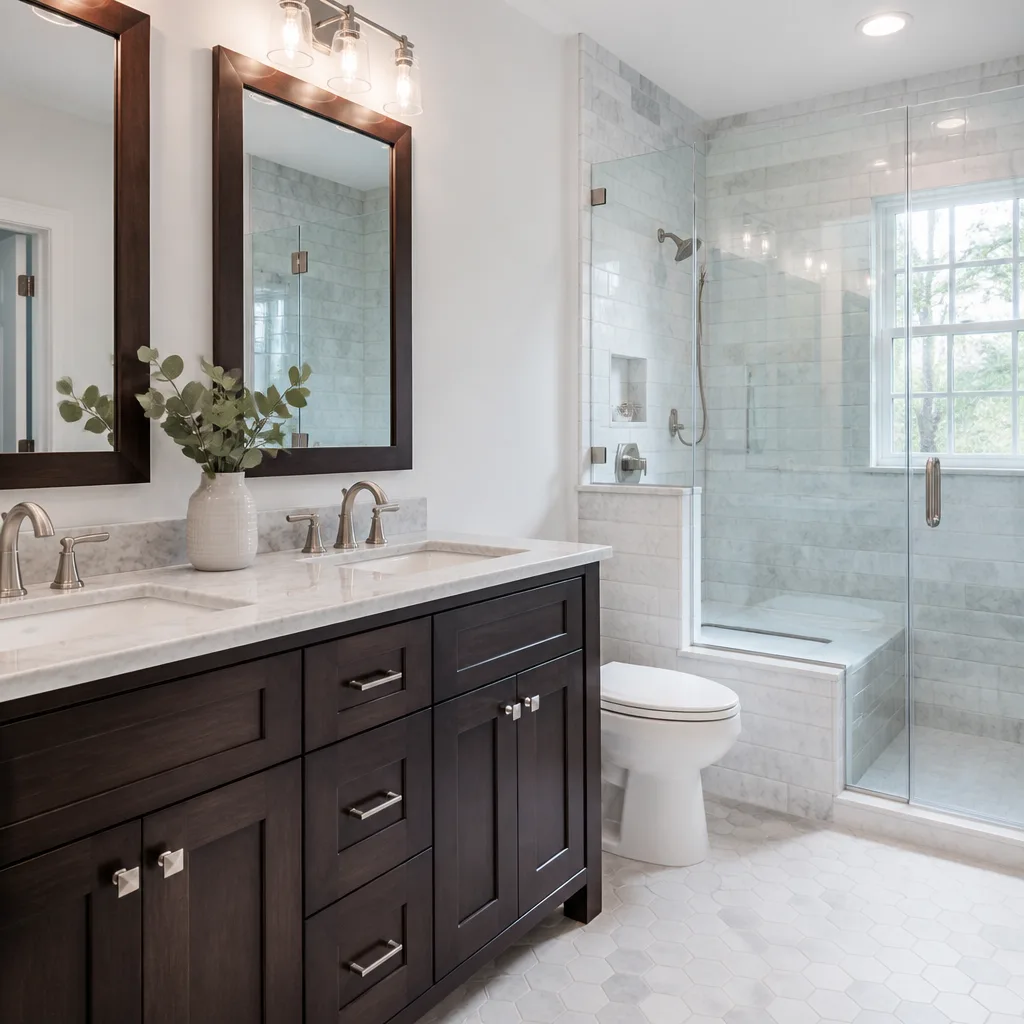
 Before
 After
After Before
 After
After Before
 After
AfterAtlas Home Additions & ADU: The Pomona Owner’s Guide
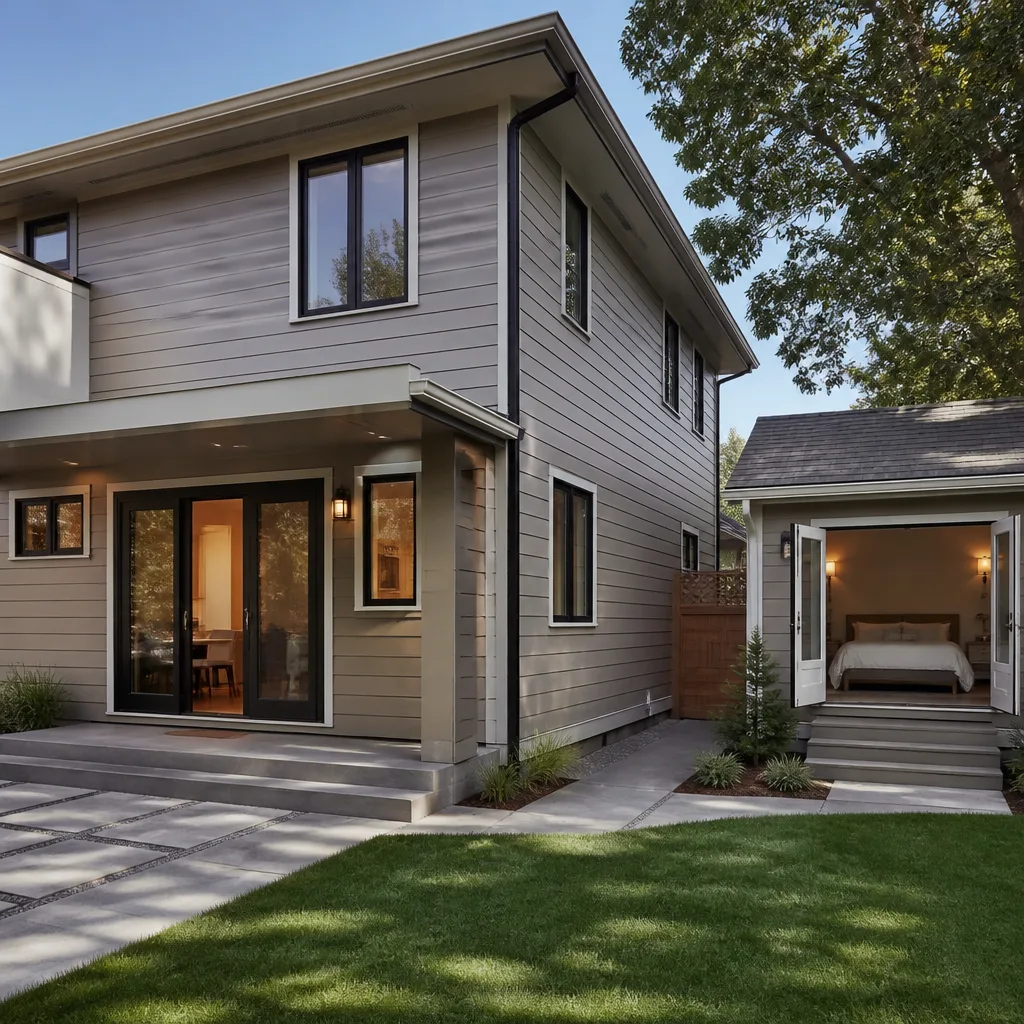
We stock and install Atlas-compatible components for home additions and ADU projects in Pomona, with typical installed pricing for this work running $45,000-$130,000 depending on scope and foundation type. Most Atlas-related calls we get aren’t about a single “part” failing - they’re about a subsystem that’s reached its functional limit: a foundation anchor bolt pattern that doesn’t match current seismic code, a wall system with compromised shear panels, or a roof tie-in where the original flashing detail has separated. We carry Atlas-compatible structural connectors, shear-wall hold-downs, and foundation anchor systems on our Pomona trucks, and we can usually assess and quote same-day.
Homeowners usually discover the issue during a permitted upgrade or after a home inspection flags it - the addition settles differently than the main structure, or a crack appears where the Atlas wall system meets the existing foundation. In the older neighborhoods near Ganesha Hills, we see this where 1980s-era Atlas components were used in garage conversions that are now being legalized as ADUs.
Which Atlas Models This Applies To
Atlas produced several product lines for residential additions and ADUs between the mid-1970s and early 2000s, and identifying the right replacement component starts with what’s stamped on the metal. Look for a model prefix - common ones include AFW (Atlas Foundation Wall), ASW (Atlas Shear Wall), and ATF (Atlas Tie-Frame) - usually embossed on a steel connector or printed on a paper label glued to a wood shear panel edge. The bolt pattern spacing is the critical spec: Atlas AFW systems typically used 12-inch on-center anchor bolts with 7/8-inch diameter, while ASW hold-downs were often 4-foot centers with 5/8-inch threaded rod. Measure twice, then we can talk.
We source OEM Atlas hardware where it’s still manufactured, but for many Pomona jobs we spec Simpson Strong-Tie or USP equivalent connectors that exceed the original load ratings and carry current ICC-ESR reports - important when the city plan checker asks for documentation. The aftermarket decision hinges on whether your project is a repair (match existing) or a permitted upgrade (meet current code). We’ve had cases in the Mayfair area where an inspector rejected a like-for-like Atlas replacement because the original spec predated the 1997 UBC seismic updates.
Signs Your Atlas Home Additions & ADU Is Failing
- Diagonal cracking at addition-to-house junction. This indicates the Atlas shear panel or hold-down connector has slipped or corroded, allowing differential movement between structures. In Pomona’s clay-heavy soils, seasonal moisture swings accelerate this - we see it often near Ganesha Park where drainage was never properly addressed.
- Doors or windows in the addition that bind seasonally. The Atlas foundation wall system may be settling independently from the main house, which means the anchor bolt pattern has loosened or the mudsill has compressed. It’s not the door; it’s the frame moving.
- Visible rust or section loss on steel connectors. Atlas used galvanized hardware, but in pre-1990 installations the coating specification was thinner than current standards. Near the 71 Freeway corridor, airborne particulates have accelerated corrosion we wouldn’t expect inland.
- Gaps between the addition roofline and main house fascia. The Atlas tie-frame roof connector has likely pulled out or the rafter tail has rotted where flashing failed. This is water intrusion territory, not just cosmetic.
- Floor slope in the addition exceeding 1/2 inch in 10 feet. The Atlas foundation wall or stem wall may have cracked or settled on uncompacted fill - common in older Pomona garage conversions where the slab was poured over disturbed soil without proper compaction testing.
 Before
 After
AfterReplacement Cost & What’s Included
For a full Atlas subsystem replacement in a Pomona home addition or ADU, installed costs typically fall within our $45,000-$130,000 range for this trade. What drives that spread: whether we’re matching a single connector type or replacing the entire shear-wall system, whether the foundation requires epoxy-injection repair before re-anchoring, and whether the city requires a full engineered drawing set or allows a prescriptive repair per the California Residential Code.
| Component Scope | Typical Range |
|---|---|
| Single hold-down / anchor bolt replacement | $2,500-$6,000 |
| Shear-wall panel replacement (one wall line) | $8,000-$18,000 |
| Foundation anchor system, full addition perimeter | $15,000-$35,000 |
| Complete Atlas subsystem replacement with engineering | $45,000-$85,000 |
| Full ADU structural upgrade to current code | $65,000-$130,000 |
Every quote is a flat written price with line-item scope before work starts - Clause 1 of the Haven Standard. No change proceeds without a signed change order. The work carries our 365-Day Done Right Promise, and you receive a documented photo record of every phase, included as standard.
DIY or Call Us?
There’s a safe middle ground here, and then there’s where DIY stops. An owner can verify the model stamp, measure bolt spacing, and photograph the condition for our review - that saves us all time. But removing or installing structural connectors in a load-bearing wall system involves working with tensioned hardware that, if released incorrectly, can allow sudden wall movement or collapse. In California seismic zones, the torque spec on a hold-down nut isn’t a suggestion; it’s what keeps the wall upright in a quake.
We don’t write step-by-step structural repair instructions. What we do is send a background-checked, uniformed technician to document what you have, spec what it needs, and deliver a written price before any work starts. If you’ve got a competitor’s quote already, we’ll review it line by line at no charge - our Free Second Opinion. Call (626) 606-1081 to schedule.
FAQs
Galvanized steel Atlas hardware installed before 1990 typically shows meaningful corrosion in 25-35 years in Pomona’s inland Southern California environment, particularly where drainage concentrates or irrigation overspray keeps the mudsill damp. Post-1990 installations with G185 galvanizing often reach 40-plus years. Call (626) 606-1081 and we can assess what you’ve got - estimates are free.
Sometimes. Isolated anchor bolt loosening can be addressed with epoxy-anchored replacement bolts if the mudsill is sound. But shear-panel delamination or widespread connector corrosion means replacement - the California Residential Code doesn’t permit partial repairs on primary lateral-force-resisting systems. We’ll tell you which category you’re in after inspection. Call (626) 606-1081 for a written scope and price.
Most residential addition projects run 3-6 weeks from permit approval to final inspection, assuming no foundation excavation is required. ADU upgrades involving the full structural path from foundation to roof diaphragm typically run 6-10 weeks. We pull all permits and schedule inspections as part of our flat price. Call (626) 606-1081 to review your timeline.
We stock Simpson Strong-Tie and USP equivalent connectors that match or exceed Atlas specifications, along with engineered lumber, shear panels, and epoxy anchoring systems. For true OEM Atlas hardware still in production, we source from regional distributors with 2-3 day lead time. In most Pomona cases, the modern equivalent is what the inspector wants anyway. Call (626) 606-1081 - we’ll confirm what’s needed and whether we have it.
Written by Grant Rowan, Owner, Rowan Construction Group Pomona at Rowan Construction Group Pomona, serving Pomona and nearby areas.