
Free written scope consultation - allowances, timeline, and change-order rules on paper before a single trade is scheduled
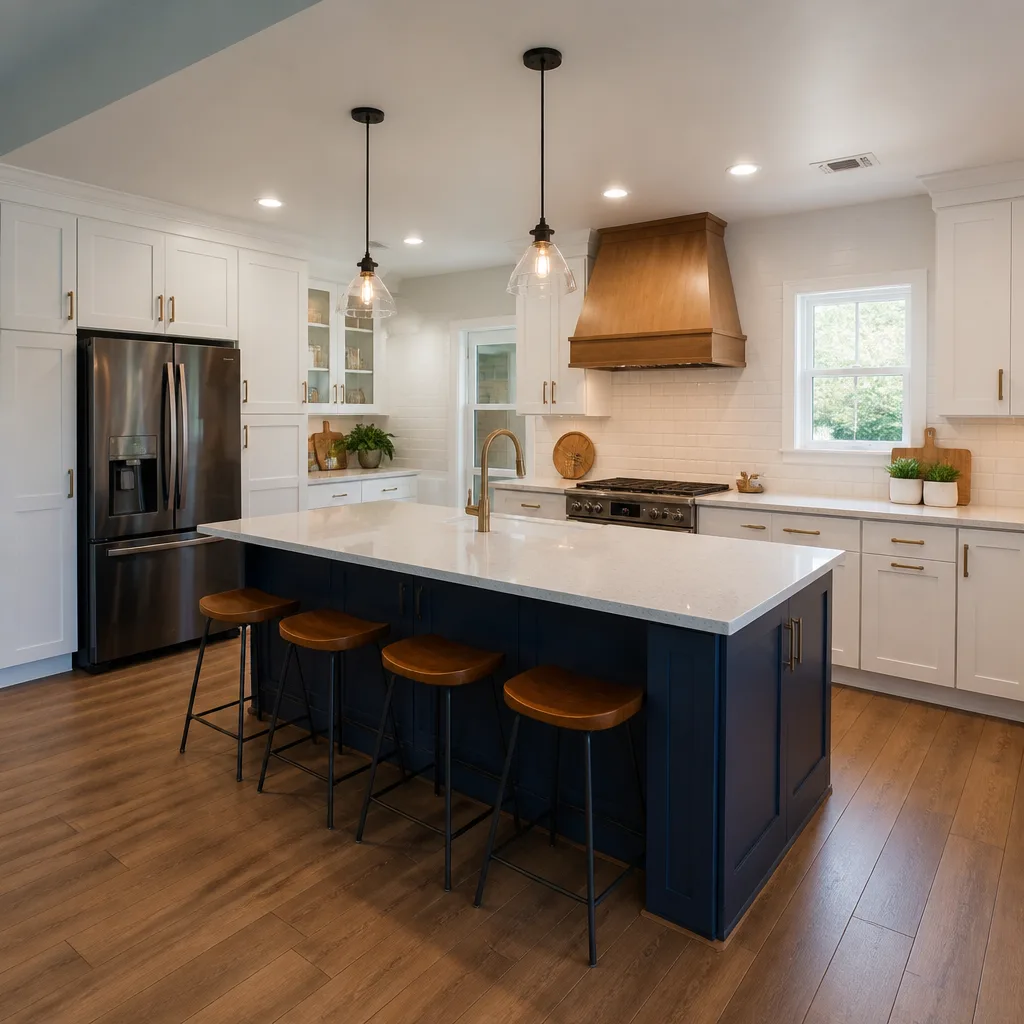
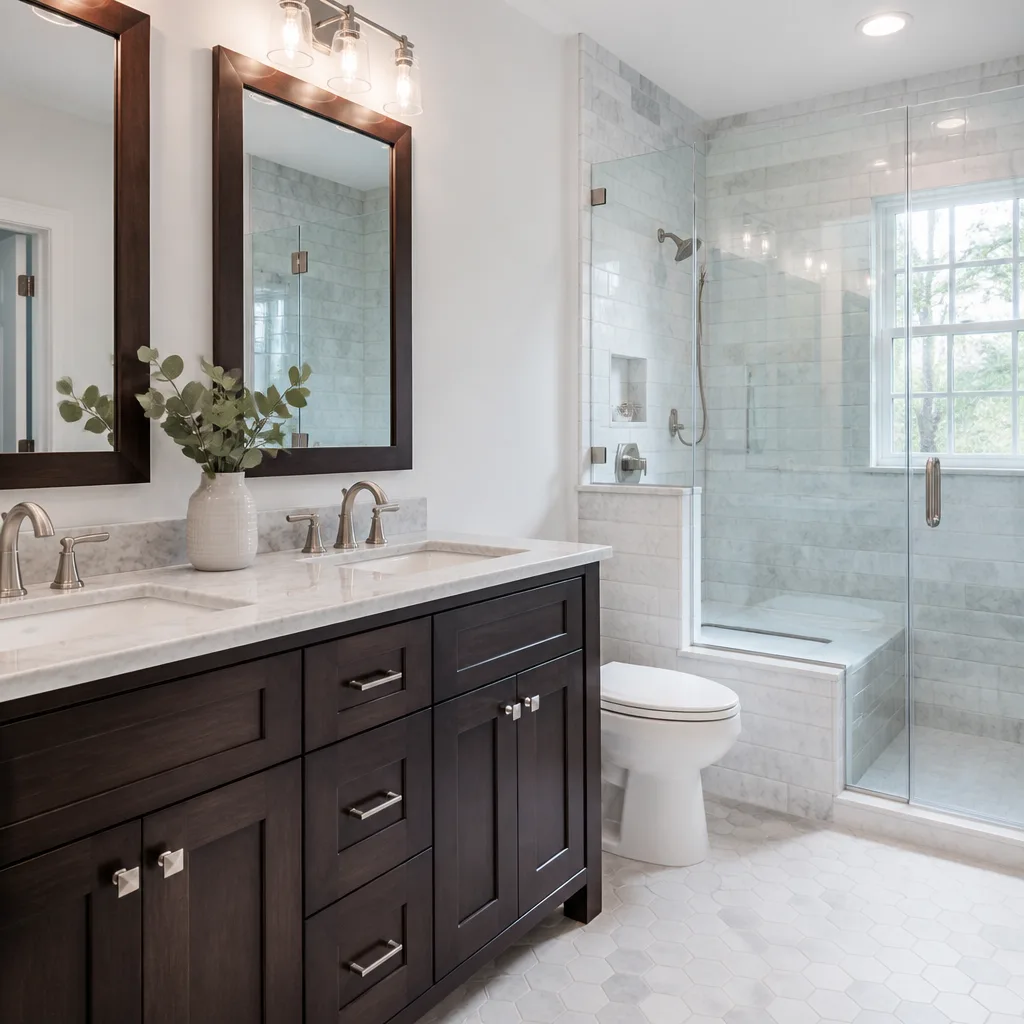
 Before
 After
After Before
 After
After Before
 After
AfterCGI Home Additions & ADU: The Pomona Owner’s Guide
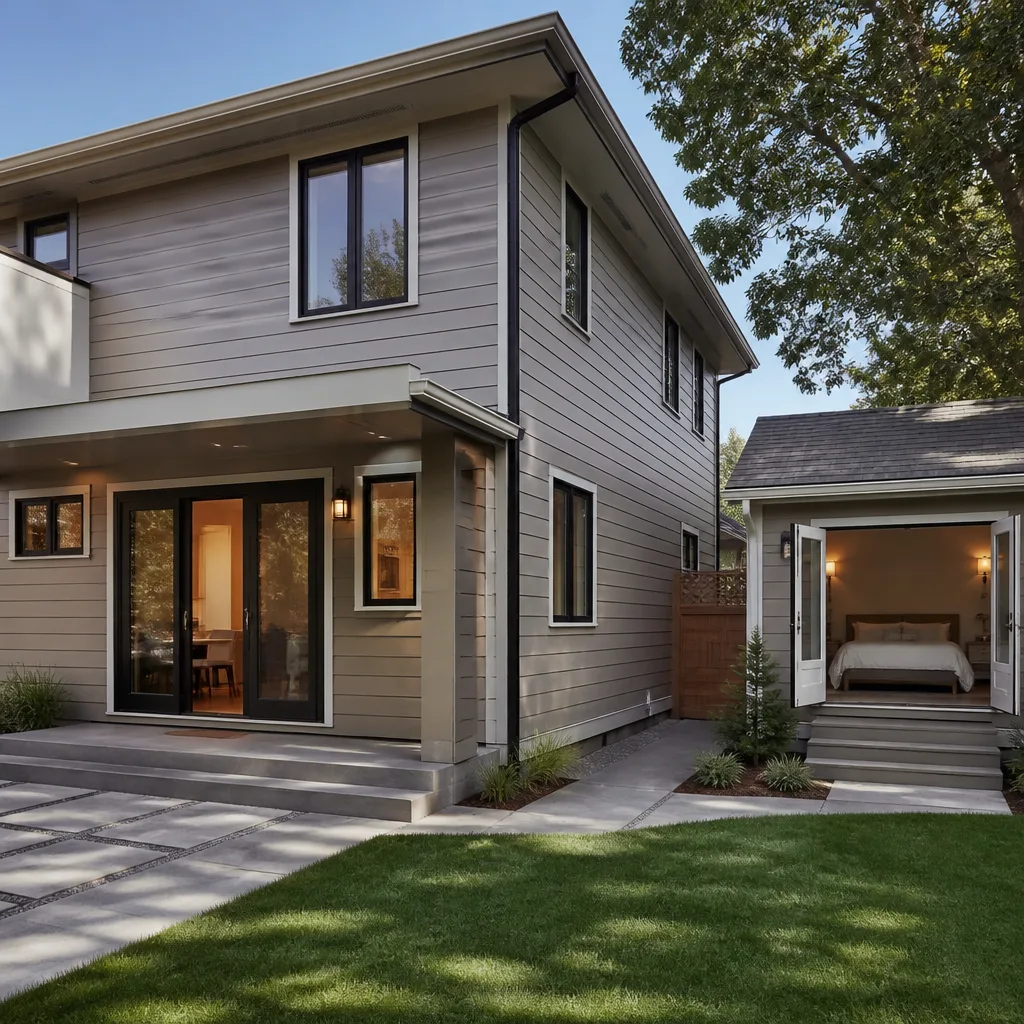
CGI-compatible home additions and ADU construction in Pomona typically runs $45,000-$130,000 for a standard addition and $90,000-$220,000 for a detached ADU, with most Rowan projects quoted within 48 hours of site visit. We stock and install CGI framing hardware, connector systems, and structural fasteners for their modular addition lines, and we carry the full range on our Pomona trucks. Most homeowners realize something’s off when their CGI addition shows settlement cracks at the module joints, or when the ADU’s pre-fab wall panels start pulling at the connection points after a hot San Gabriel Valley summer.
Which CGI Models This Applies To
CGI, or California General Industries, produces modular home addition systems and prefabricated ADU wall panels used across Los Angeles County since the early 2000s. Their product lines break into three eras: the Classic Series (pre-2012), the Sierra Series (2012-2019), and the current Haven Modular line introduced after their manufacturing shift to Riverside County.
The Classic Series used 18-gauge steel connectors with a proprietary bolt pattern that CGI abandoned in 2012; if your addition was permitted before then, the hardware won’t interchange with newer stock. Sierra Series shifted to 16-gauge galvanized connectors with standard 5/8″ through-bolts, which is what most Pomona suppliers still inventory. Haven Modular uses a snap-fit connector with an integrated thermal break, but the underlying bolt pattern remains compatible with Sierra hardware if you add a 1/4″ shim plate, something we’ve fabricated on-site in Pomona’s Lincoln Park neighborhood more than once.
To identify your series, check the metal data tag on the exterior module joint, usually behind the trim board at the roofline. Classic tags are stamped; Sierra and Haven are laser-etched with a QR code. We source OEM CGI connectors through their Ontario distribution yard, but for same-day fixes we also stock Simpson Strong-Tie equivalents that meet or exceed the gauge and load ratings, documented in every quote under Clause 1 of the Haven Standard.
Signs Your CGI Home Additions & ADU Is Failing
- Diagonal cracks at module corners. CGI additions rely on rigid connections between prefabricated boxes; when the steel connector plates fatigue or the bolt clusters loosen, the joint opens and the drywall follows. In Pomona, we see this most often on south-facing walls where daily thermal expansion cycles the metal through a 40-degree swing.
- Doors that stick seasonally then stay stuck. A properly connected CGI module maintains square within 1/8″ across the rough opening. When connectors slip, the racking throws door frames out of plumb; if it doesn’t correct in cooler weather, the connection has permanently deformed.
- Visible gap between the module ceiling and the existing house soffit. CGI additions are designed to bear on the existing structure through a ledger system; if the connector hardware at that ledger corrodes or the bolt pattern loosens, the module settles independently. We’ve found this on three Pomona Fairplex corridor homes where the original installer used non-galvanized hardware in the 1990s.
- Water staining at the marriage wall, but the roof membrane is intact. The marriage wall, where two CGI modules join, depends on compression gaskets held by connector tension. Loose hardware lets the gasket relax, and Pomona’s occasional driving rain finds the gap before the interior drywall does.
- Floor bounce or sag in the addition that wasn’t there at move-in. CGI modules use engineered joist systems hung from perimeter beams; when the beam-to-module connectors degrade, the load path shifts and the joists overstress. This one progresses slowly until it doesn’t, which is why we flag it early in every inspection.
 Before
 After
AfterReplacement Cost & What’s Included
CGI connector hardware replacement in Pomona runs $2,800-$7,500 for a typical module joint repair, including removal of interior finish to access the connection, extraction of corroded or fatigued hardware, installation of OEM or documented equivalent connectors, and re-finish of the affected wall or ceiling area. Full module re-anchoring to the existing structure, required when the ledger system has degraded, pushes the range to $12,000-$18,000.
What drives the spread: finish type (Level 5 drywall with texture match costs more than flat paint), connector accessibility (crawl space vs. full basement), and whether we find secondary damage once the finish comes off. Every Rowan quote lists these as line items before work starts, and no number changes without a signed change order, per Clause 3 of the Haven Standard. Our 365-Day Done Right Promise covers the hardware and the finish work; the photo record from the repair visit documents every bolt torque spec and connector part number for your files.
DIY or Call Us?
There’s a safe middle ground here, and then there’s the part where we earn our rate.
An owner can safely check the exterior data tag, measure visible gaps with a tape, and photograph any cracks for comparison over time. What you cannot safely do is torque structural connector bolts without knowing the spec, or remove interior finish to inspect a marriage wall without understanding the load path above it. CGI modules are engineered systems; the connector at module three might be holding the roof load for modules one and two. Get that wrong and you’ve converted a $3,000 hardware swap into a $15,000 structural remediation.
We carry Sierra and Haven-compatible connectors on every Pomona truck, and we stock the Classic Series shim plates for the legacy jobs we still find near downtown. If you’re seeing the symptoms above, call (626) 606-1081 and we’ll schedule a look. The estimate is free, the price is written, and the photo record is included. Measure twice, then we can talk.
FAQs
Galvanized CGI connectors in Pomona’s inland climate typically last 25-35 years if properly installed with thermal-break shims; non-galvanized hardware from the 1990s often shows corrosion in 15-20 years due to our summer humidity spikes and winter condensation cycles. Call (626) 606-1081 for an exact quote on replacement - estimates are free.
Individual bolts can be re-torqued if the threads and plates are intact, but fatigued connector plates or corroded hardware must be replaced, not patched, because the engineered load rating depends on virgin metal at the bolt holes. We document the condition with photos before recommending either path. Call (626) 606-1081 for an exact quote - estimates are free.
A single module joint with standard drywall finish takes one to two days; full ledger re-anchoring with multiple modules runs four to six days, plus cure time for any concrete or grout work at the foundation connection. We provide a written timeline with every quote, and no work proceeds until the scope and price are signed. Call (626) 606-1081 to schedule.
We stock Sierra Series and Haven Modular connectors, Simpson Strong-Tie equivalents, and Classic Series shim plates on every Pomona service vehicle; OEM CGI hardware ships same-day from their Ontario yard if your project requires it. We also stock related materials from KraftMaid, Cambria, and Silestone for finish work tied to the repair. Call (626) 606-1081 to confirm compatibility with your system.
Written by Grant Rowan, Owner, Rowan Construction Group Pomona at Rowan Construction Group Pomona, serving Pomona and nearby areas.