
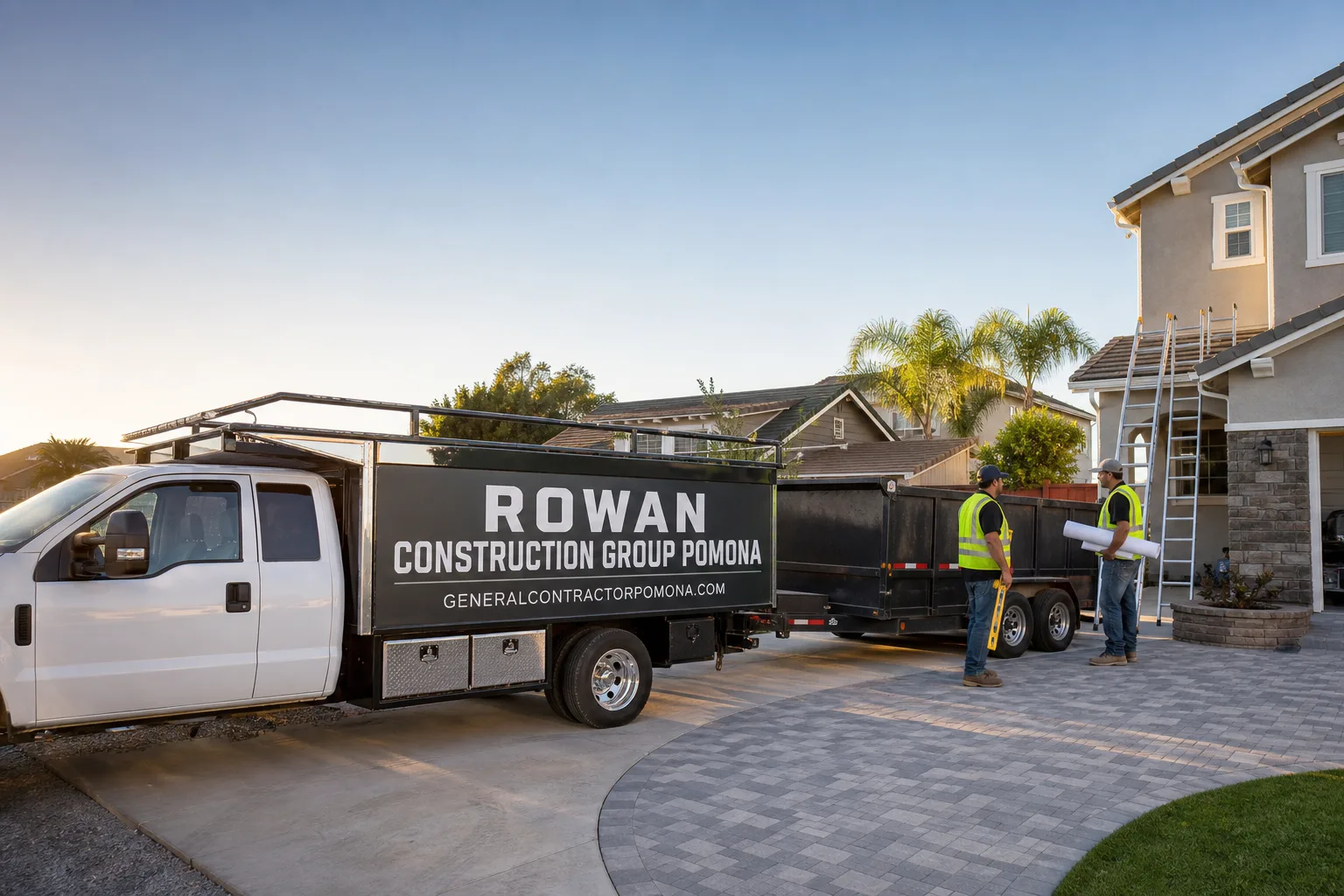
Free written scope consultation - allowances, timeline, and change-order rules on paper before a single trade is scheduled
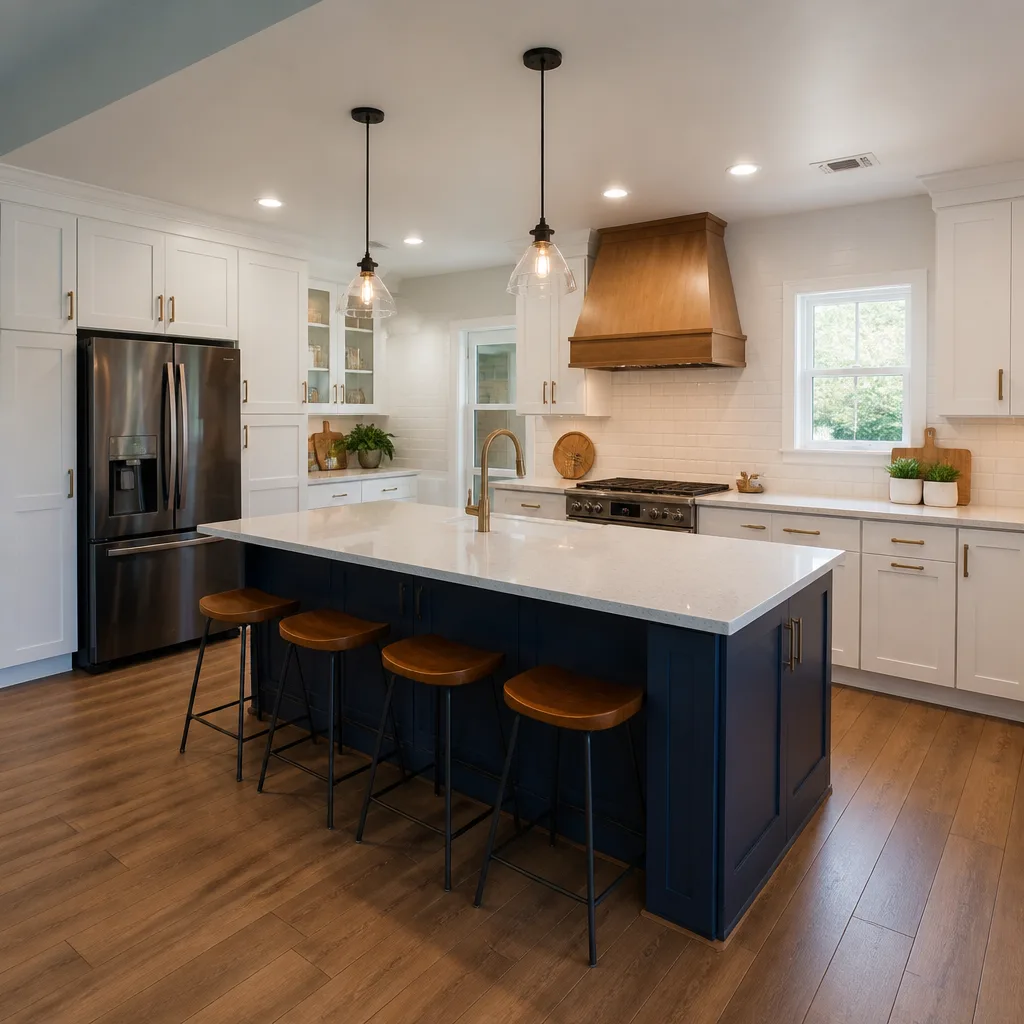
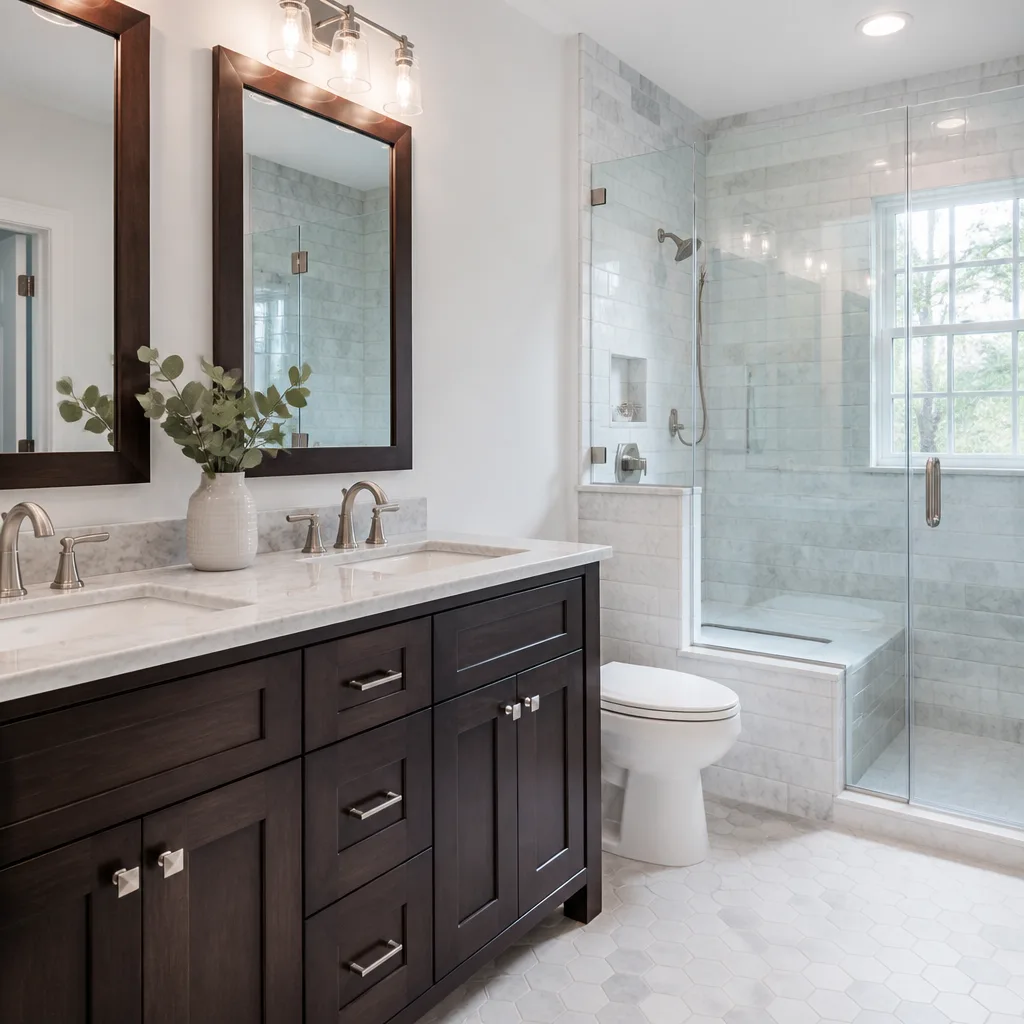
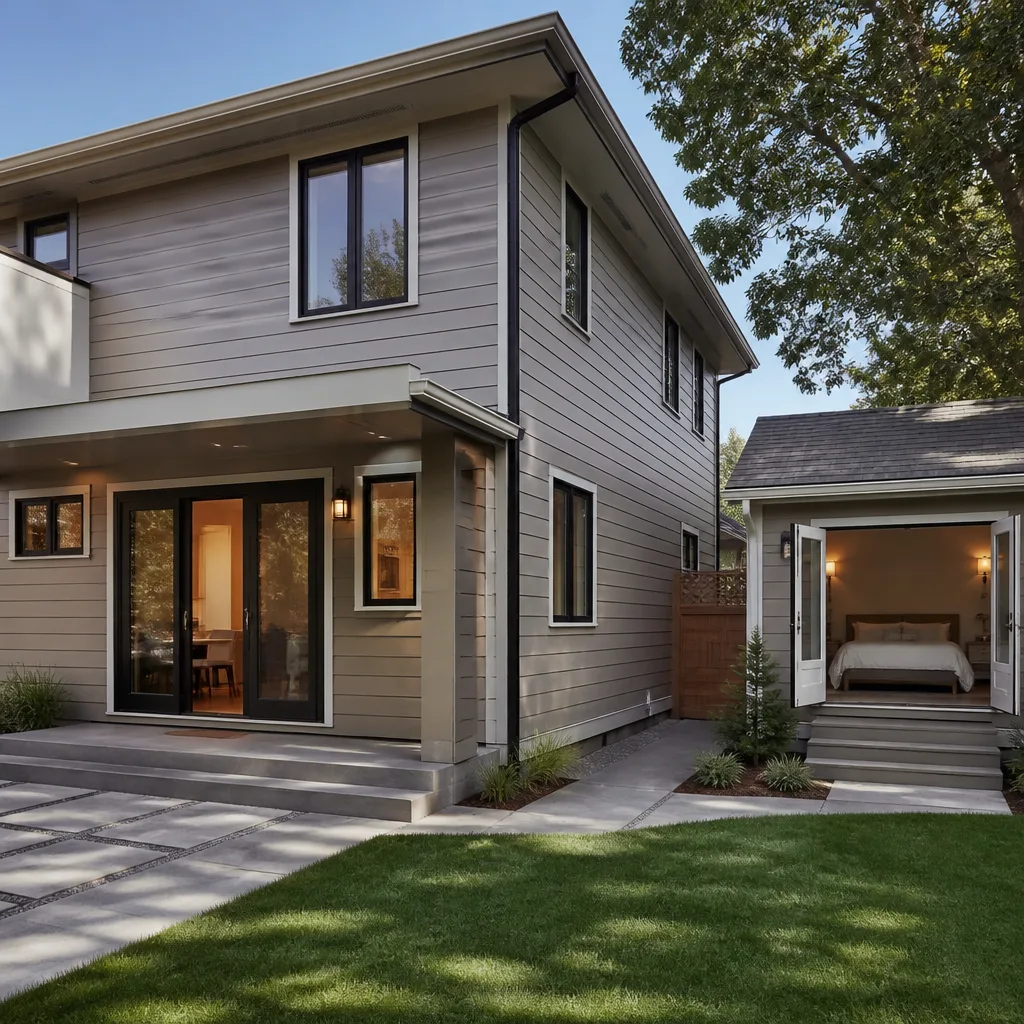
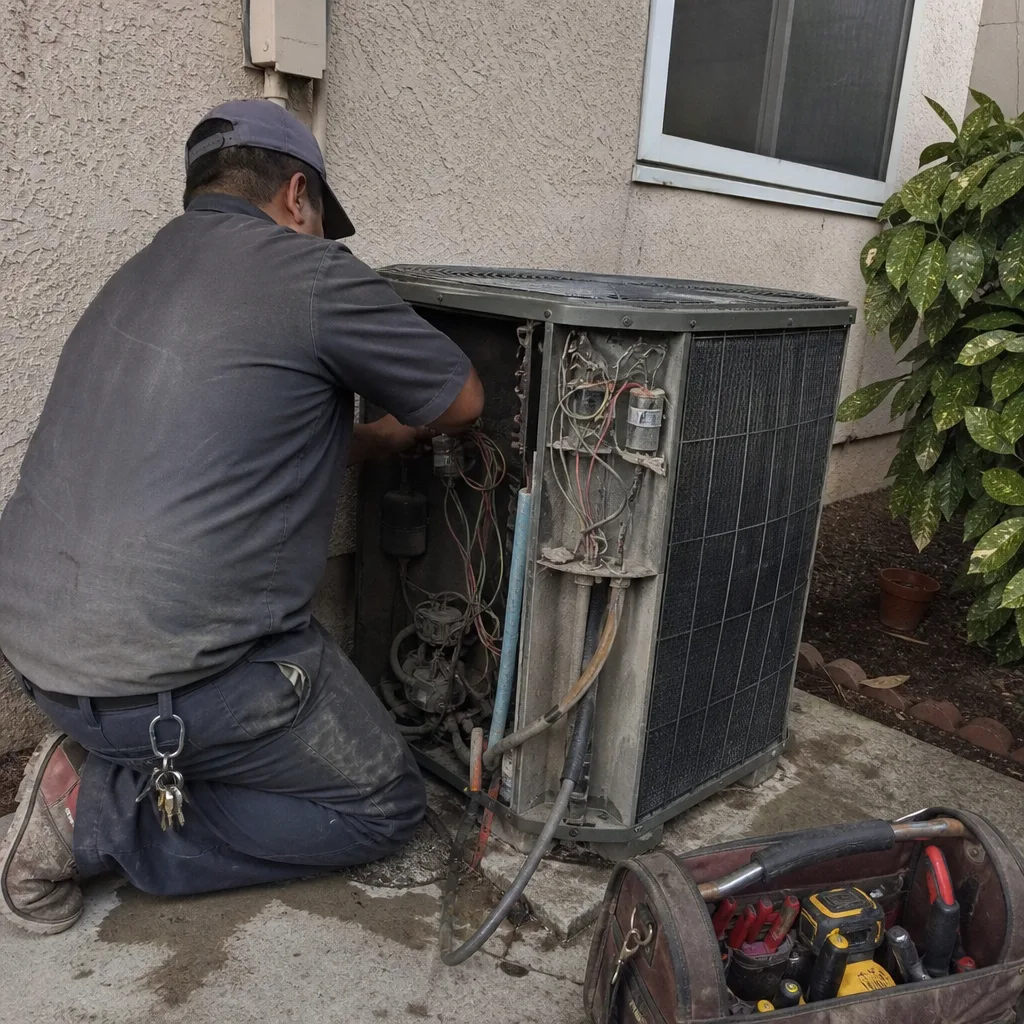 Before
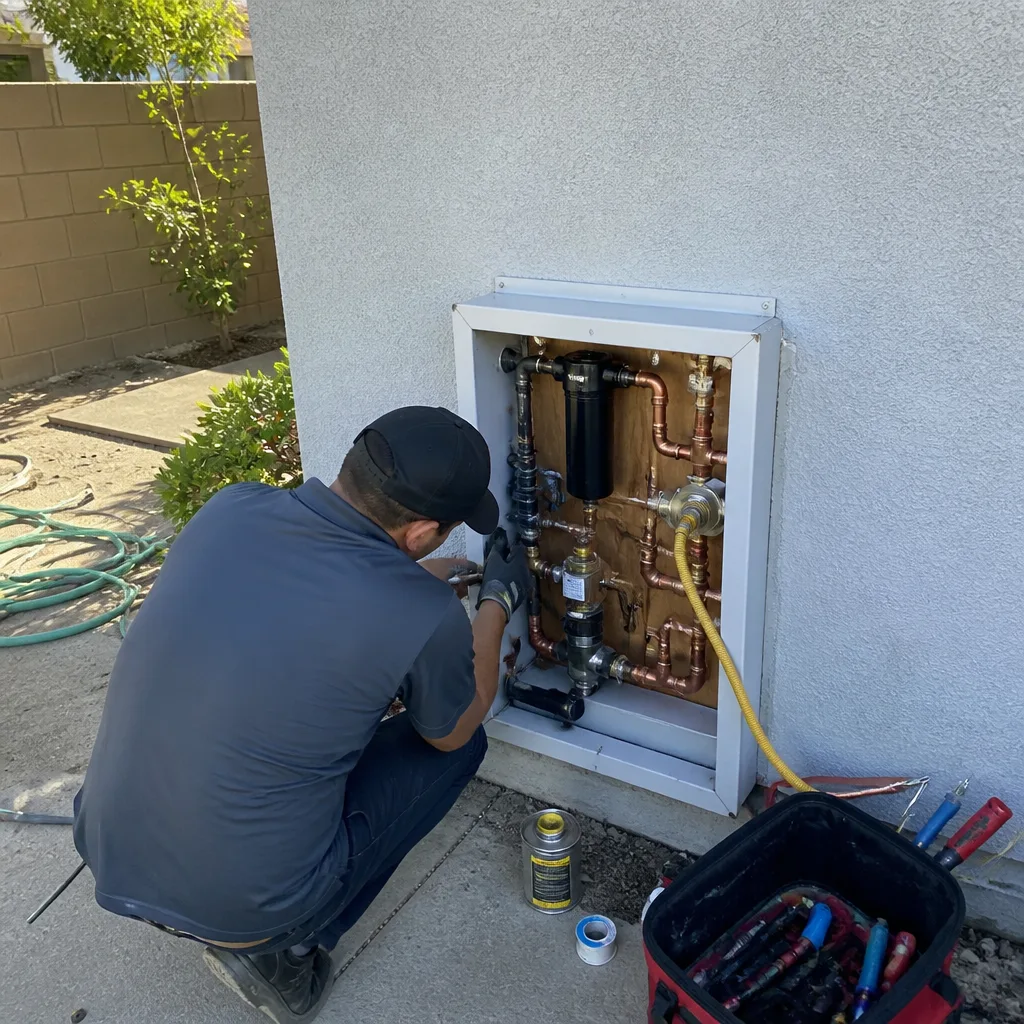 After
After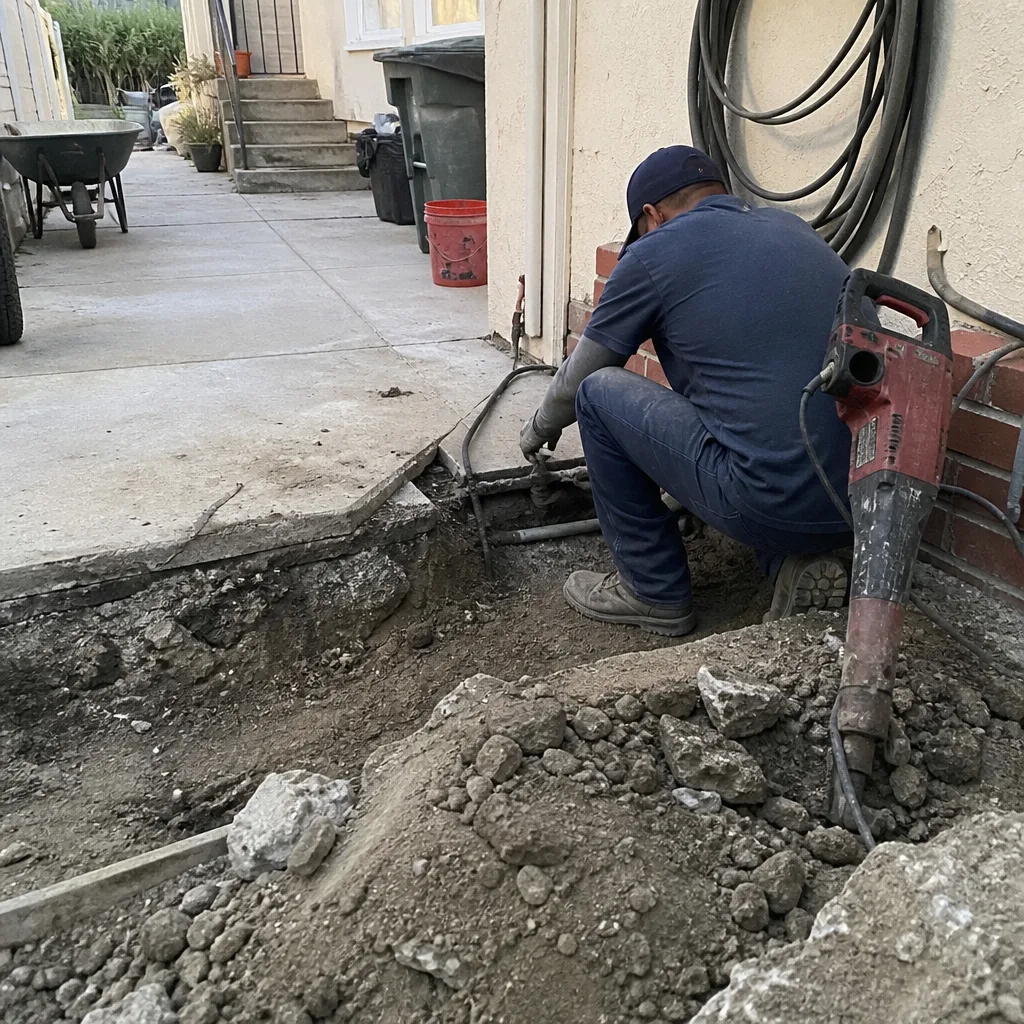 Before
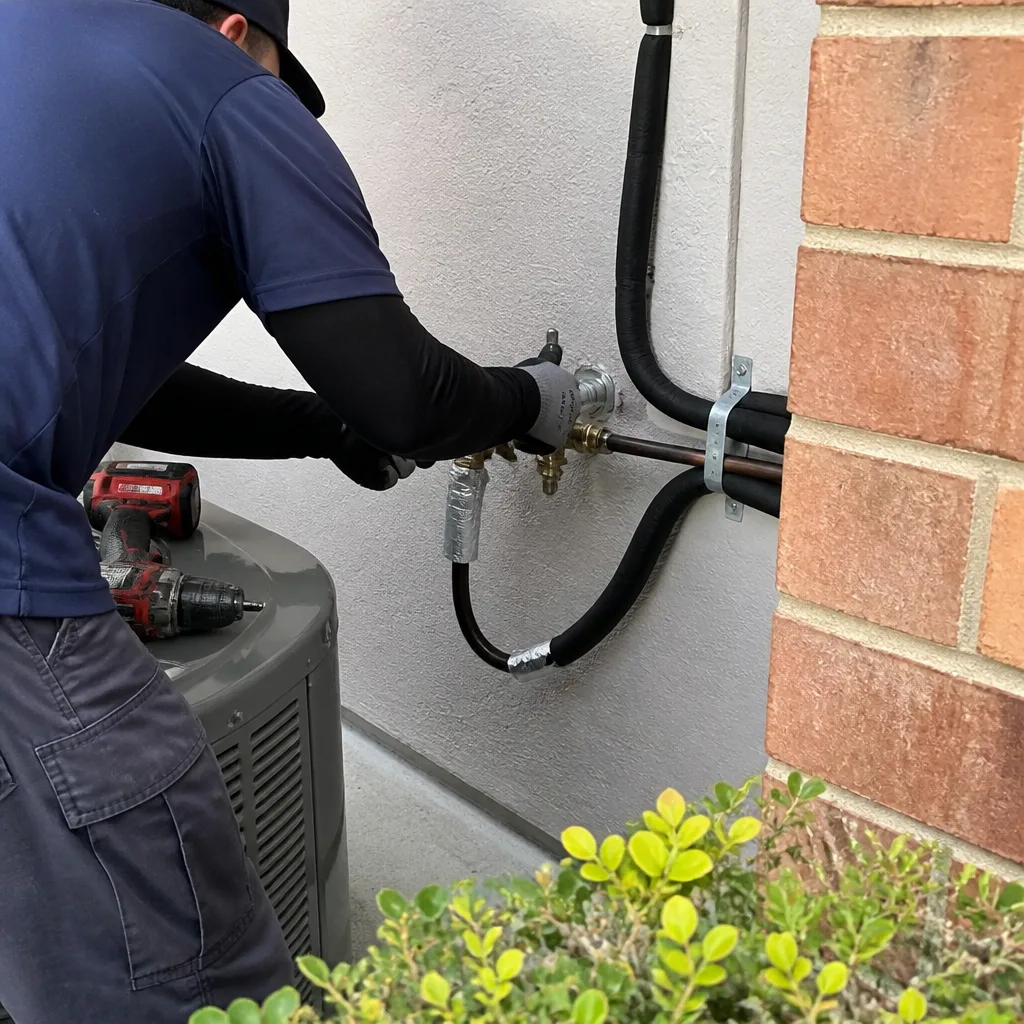 After
After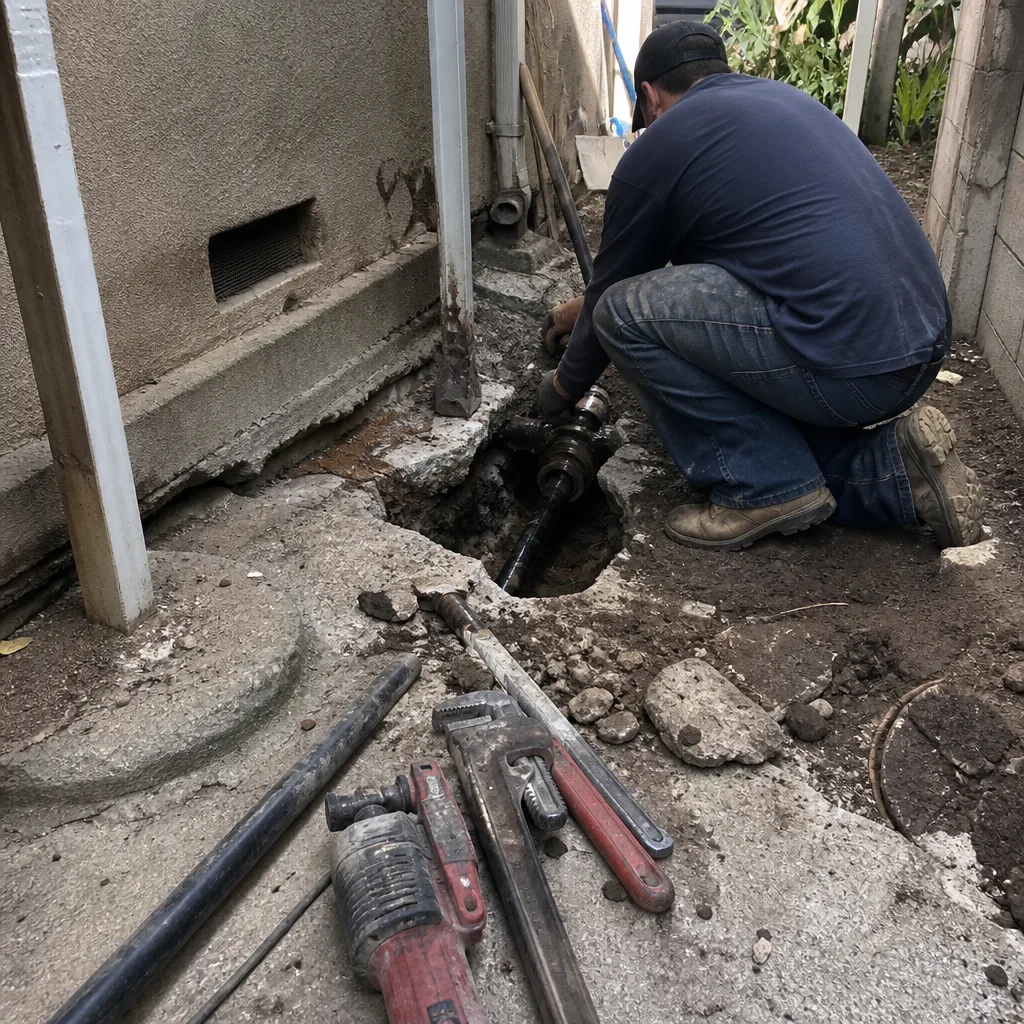 Before
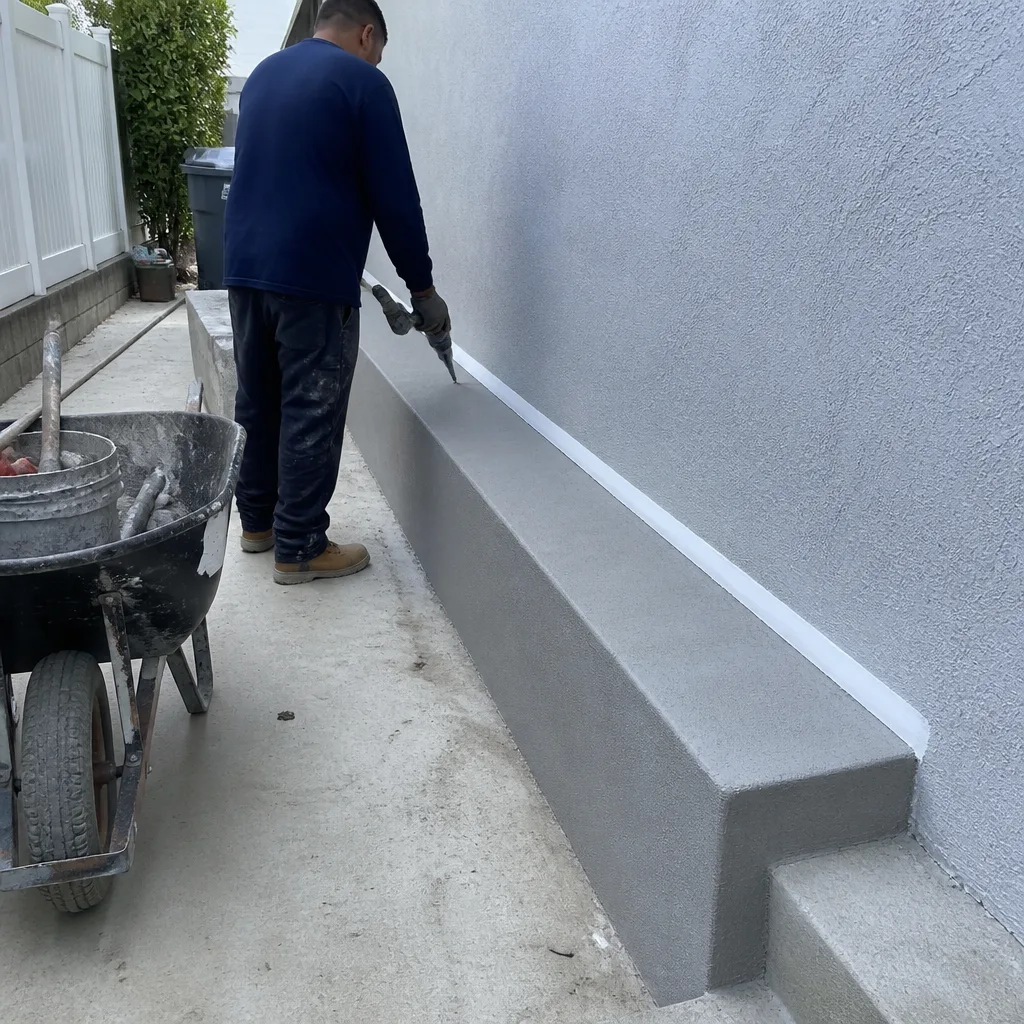 After
AfterHow Much Does Glass Railing Installation Cost in Pomona?
Glass railing installation in Pomona, CA typically costs between $150 and $400 per linear foot, installed. For a standard 40-linear-foot deck or stair railing, most Pomona homeowners budget $6,000 to $16,000 for the complete project. The final number depends on glass type, frame style, and whether the substrate - concrete footing, wood decking, or steel post anchor - needs any prep work before the first panel goes in.
Glass Railing Installation Cost Breakdown (2026)
Glass railing pricing in Pomona breaks into three layers: material, hardware, and labor. The table below reflects what Rowan Construction Group sees on actual Pomona jobs in 2026 - not a national average pulled from a trade publication.
| Component | Typical Range (Pomona, CA) | Notes |
|---|---|---|
| Tempered glass panels (per linear foot) | $60 - $120 | Standard 3/8″ tempered; code minimum for most Pomona residential applications |
| Laminated or low-iron glass upgrade (per linear foot) | $90 - $160 | Low-iron removes the greenish tint; laminated adds a PVB interlayer for safety |
| Aluminum top rail (per linear foot) | $18 - $45 | Powder-coated; color options add $5-$10/lf |
| Stainless steel top rail (per linear foot) | $35 - $75 | 316-grade preferred near pools; more durable in Pomona’s temperature swings |
| Frameless system hardware (standoffs, base shoes) | $40 - $90 per linear foot | Frameless base shoe channels add labor; spigot/standoff systems run slightly less |
| Semi-frameless or framed system hardware | $20 - $55 per linear foot | More budget-friendly; visible posts every 4-6 feet |
| Labor - flat deck or balcony (per linear foot) | $45 - $90 | Straightforward layout, accessible substrate |
| Labor - staircase railing (per linear foot) | $70 - $130 | Angle cuts, rake panels, and extra fitting time push the rate up |
| Substrate prep (core drilling, post anchor reset) | $200 - $800 per area | Common on older Pomona homes where concrete footings weren’t poured to current specs |
| Permit (City of Pomona, residential) | $150 - $550 | Required for any guardrail over 30″ above grade; Rowan pulls permits on every qualifying job |
What a Typical Pomona Project Costs, End to End
To put those line items into real project budgets, here’s how the numbers stack on three common job sizes we see in Pomona’s neighborhoods:
- Small balcony railing, 20 linear feet, semi-frameless aluminum: $3,500 - $6,500
- Mid-size deck railing, 40 linear feet, frameless tempered glass: $7,500 - $14,000
- Full staircase plus landing, 60 linear feet, frameless low-iron with stainless top rail: $13,000 - $22,000
The spread within each range comes down to two things. First, the glass specification: upgrading from standard tempered to low-iron laminated adds roughly $30-$50 per linear foot before a single fastener is set. Second, substrate condition. Homes in older sections of Pomona near Lincoln Park or around the historic downtown core were often built with wood-framed balconies that need steel post sleeves or a new ledger board before glass panels can be anchored safely. When Rowan crews document the substrate condition in photos during the site visit, you can see exactly what prep is needed and why it’s priced the way it is.
What Affects Glass Railing Installation Pricing in Pomona
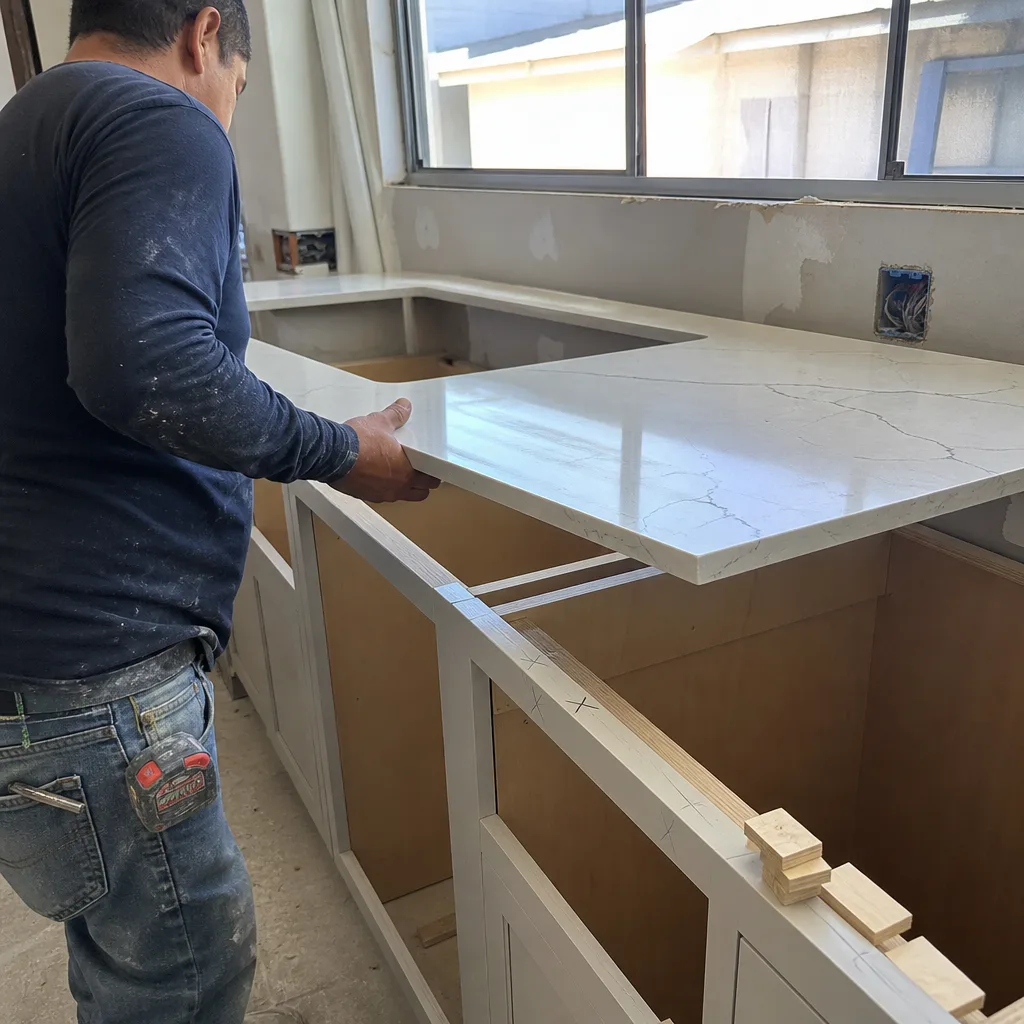
- Frameless vs. semi-frameless vs. framed system: Frameless railings use a continuous base shoe channel or individual spigots anchored into the substrate, with no visible vertical posts between panels. They’re the most expensive option and the most popular in Pomona’s newer construction east of the 71 Freeway. Semi-frameless systems use posts every 4-6 feet and cost roughly 20-35% less. Fully framed aluminum systems are the most budget-accessible but read visually heavier.
- Glass type and thickness: California Building Code requires a minimum 3/8″ tempered glass for residential guardrails. Upgrading to 1/2″ tempered adds structural margin and a noticeably more solid feel. Low-iron glass — which eliminates the green tint visible in standard tempered when you look at the edge or through a wide span — is a common upgrade in Pomona homes where the railing frames a view toward the San Gabriel Mountains or a pool deck. Laminated glass holds together if it cracks rather than shattering, and it’s worth considering anywhere foot traffic is heavy.
- Top rail material: No-rail (glass-only) systems are the cleanest look but require thicker glass and more precise base shoe installation. Aluminum top rails are practical and corrosion-resistant. Stainless steel, specifically 316-grade, is the better call near pools because Pomona’s summer heat can accelerate corrosion on lower-grade metals when pool chemicals are in the air.
- Staircase vs. flat deck: Stair panels require custom angle cuts, called rake cuts, to follow the slope of the stringer. Each panel is unique, which means more fabrication time, more fitting time on site, and a higher labor rate. Budget at least 30-40% more per linear foot for stair sections compared to a flat balcony run.
- Substrate and existing conditions: Pomona’s Inland Empire climate — hot, dry summers with temperature swings that can hit 30°F between morning and afternoon — causes concrete to expand and contract more than coastal areas. That movement over decades can crack footings or loosen post anchors on older railings. Before any glass panel goes in, the substrate gets assessed. If core drilling is needed into a concrete slab, or if an existing wood ledger needs to be sistered with steel, that work is scoped and priced in the written estimate before anything starts.
- Permit requirements: Any guardrail in Pomona that is 30 inches or more above grade requires a permit under City of Pomona residential code. Rowan pulls permits on every qualifying project as a standard step, not an add-on. The permit fee ($150-$550 depending on valuation) goes into the written quote upfront, not as a surprise line on the final invoice.
 Before
 After
AfterFrameless vs. Semi-Frameless vs. Framed: Which Is Worth It in Pomona?
This is the question homeowners in Phillips Ranch and near the Pomona Fairplex corridor ask most often, and the answer isn’t purely aesthetic. It’s structural and practical.
Frameless systems — the ones with glass panels anchored only at the base and a single top rail or no rail at all — require a substrate that can handle concentrated point loads at each anchor location. If your deck or balcony was originally built with framed posts in mind, converting to frameless usually means reinforcing the substructure first. That’s a real cost, but it’s one that shows up in the written estimate before any work starts, not after the crew discovers it mid-job.
Semi-frameless systems are the right middle ground for most Pomona projects. The posts handle the load-bearing, the glass fills between them, and the look is still clean enough that the view isn’t interrupted. On a 40-foot run, the material and labor savings over a full frameless system can be $2,000 to $5,000 — real money that can go toward a better glass specification or a pool-grade stainless top rail.
Fully framed systems — aluminum extrusions with glass infill — are the fastest to install and easiest to source but they look heavier and the aluminum posts require repainting every several years in Pomona’s UV exposure. For a rental property or a project where budget is the primary constraint, they’re a reasonable call. For a primary residence or any space where the railing is a visual feature, most homeowners find they wish they’d gone at least semi-frameless.
Pomona-Specific Factors You Won’t Read on a National Pricing Guide
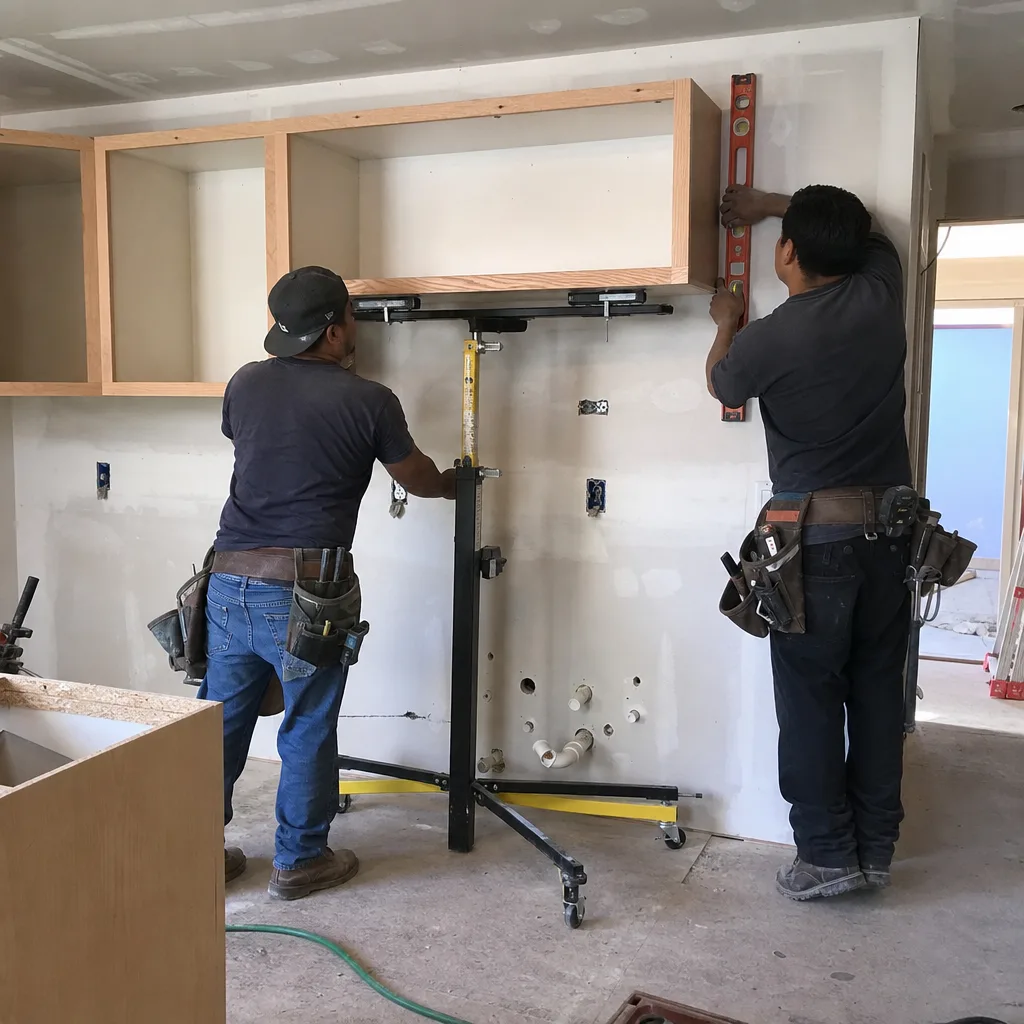
Pomona sits at the eastern end of the San Gabriel Valley, at roughly 870 feet elevation, and the climate here behaves differently from coastal Los Angeles. Thermal cycling — the difference between a 55°F January morning and a 105°F August afternoon — is more extreme than in Santa Monica or Long Beach. That matters for glass railings in two ways.
First, the silicone sealant used around base shoe channels and at glass-to-hardware contact points needs to be specified for high thermal range. Standard neutral-cure silicone rated for a 50°F range can fail within a few seasons in Pomona. Rowan specs a high-modulus silicone rated for 100°F+ differential on every Pomona install.
Second, concrete substrate movement is more pronounced here. In neighborhoods like Ganesha Hills, where older hillside lots were graded with minimal drainage infrastructure, freeze-thaw cycles (yes, Pomona does get freezing nights in winter) add to the cracking risk at post anchor points. Documenting the substrate condition in photos before installation is part of why Rowan includes a photo record on every visit — it protects both the homeowner and the crew when warranty questions come up a year later.
Pomona’s residential permit process also moves at its own pace. As of 2026, the City of Pomona Building and Safety Division typically processes residential permits in 10-20 business days for standard railing projects. Projects near the historic district or within HOA jurisdictions can add review time. Rowan submits complete permit packages — stamped drawings, material specs, site plan — on day one to avoid back-and-forth that delays your project.
How to Save on Glass Railing Installation in Pomona
Glass railing is not a category where the sharpest bid always delivers the sharpest result. A low number that doesn’t include permit fees, substrate prep, or a warranty is not actually a low number — it’s an incomplete scope. That said, there are real ways to control cost without cutting into quality.
- Specify tempered over low-iron where the view doesn’t demand it. On a side-yard run or a staircase that faces a wall, the color difference between standard tempered and low-iron glass is invisible in practice. Save low-iron for the panel spans that face the view you care about.
- Choose semi-frameless over frameless if the substrate isn’t already prepped for point-load anchors. The look is similar enough that most guests won’t notice, and the savings can be significant — often $3,000 to $6,000 on a mid-size project.
- Bundle with other exterior work. If you’re already planning a Glass Railing Installation in Pomona alongside a driveway or patio project, Rowan can mobilize crew and equipment once, which cuts the per-project overhead. The savings show up as a line item in the written estimate.
- Get a second opinion on any existing quote. Rowan offers a Free Second Opinion on any written estimate — bring a competitor’s quote and Grant Rowan will review it line by line at no charge. It costs nothing, and you’ll know exactly what you’re comparing before you sign anything.
- Address substrate issues before they become surprises. If you know your deck has a soft spot or a cracked footing, disclose it during the estimate visit. Scoping it upfront means a cleaner number and no mid-project change orders.
- Ask for the flat written price, not a time-and-materials arrangement. Under Clause 1 of the Haven Standard, Rowan delivers a flat written price before any work starts. A time-and-materials quote shifts risk to you. No change proceeds without a signed change order — that administrative discipline is what keeps final costs within a few percent of the number you agreed to.
For a free estimate on your Pomona glass railing project, call (626) 606-1081. Grant Rowan or a member of the team will schedule a site visit, document the substrate conditions, and deliver a written price before any work is discussed further.
What the Installation Process Actually Looks Like
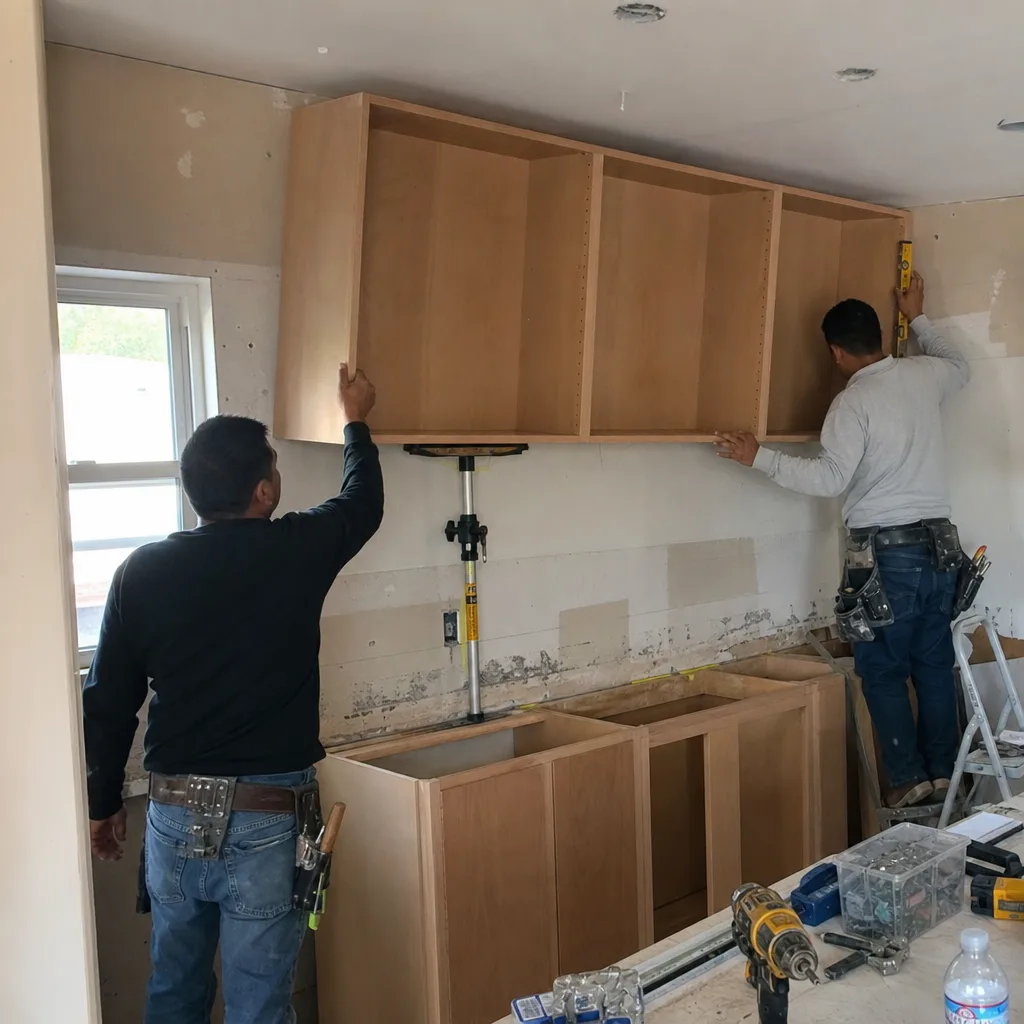
A lot of pricing anxiety comes from not knowing what you’re paying for step by step. Here’s how a standard Pomona glass railing project runs from first call to final photo record.
Step 1: Site Assessment and Written Estimate
A background-checked, uniformed Rowan crew member visits the site, documents existing conditions in photos, measures the run, assesses the substrate, and notes any permit triggers. Within a few business days, you receive a flat written price with a written scope. No range, no “starting at” — a number you can screenshot and compare.
Step 2: Permit Application
For any railing 30 inches or more above grade, Rowan submits the permit package to the City of Pomona Building and Safety Division. Stamped drawings and material specifications go in with the first submission to minimize review cycles. The permit fee is in your written estimate — it’s not added later.
Step 3: Material Fabrication
Glass panels are fabricated to the exact dimensions documented during the site visit. Tempered glass cannot be cut after tempering, so field measurements have to be right the first time. Rowan uses CNC-verified measurements and orders panels with the correct hole placements for spigots or base shoe notches pre-cut at the fabricator.
Step 4: Substrate Prep
If core drilling is needed for post anchors, it happens before any hardware is delivered to the site. Epoxy anchor bolts are set and cured to manufacturer spec — typically 24-48 hours before load is applied. If a wood ledger needs reinforcement, that framing work is completed and inspected before glass handling begins.
Step 5: Hardware Setting and Glass Installation
Base shoes or spigots are set, leveled, and torqued to spec. Glass panels are lifted into position — tempered glass panels on a large project can weigh 80-120 pounds each, which is why two-person crews are standard on any job with panels over 3 feet wide. Top rail is cut, fitted, and secured. All silicone joints are tooled and left to cure.
Step 6: Inspection and Photo Record
A City of Pomona inspection is scheduled for permitted projects. After inspection sign-off, Rowan delivers the documented photo record of the completed installation to you — what was installed, where, and in what condition at handoff. That record is included on every job, not a premium add-on.
Glass Railing vs. Other Railing Materials: A Pomona Cost Comparison
If you’re weighing glass against other railing options for a Pomona home, here’s a quick reference so the comparison is honest. Costs shown are installed, per linear foot.
- Glass railing (frameless): $200 - $400 per linear foot
- Glass railing (semi-frameless): $150 - $280 per linear foot
- Aluminum railing (powder-coated): $60 - $120 per linear foot
- Wrought iron / steel railing: $80 - $180 per linear foot
- Cable railing (stainless): $130 - $260 per linear foot
- Wood railing (painted or stained): $50 - $110 per linear foot
Glass costs more upfront than aluminum or wood, but the ongoing maintenance picture is different. There’s no paint to chip, no wood to rot in Pomona’s occasional winter wet, and no cable tension to adjust seasonally. Cleaning is soap and water. The practical life of a properly installed frameless glass railing with stainless hardware is 20-plus years with minimal intervention.
FAQs: Glass Railing Installation Cost in Pomona
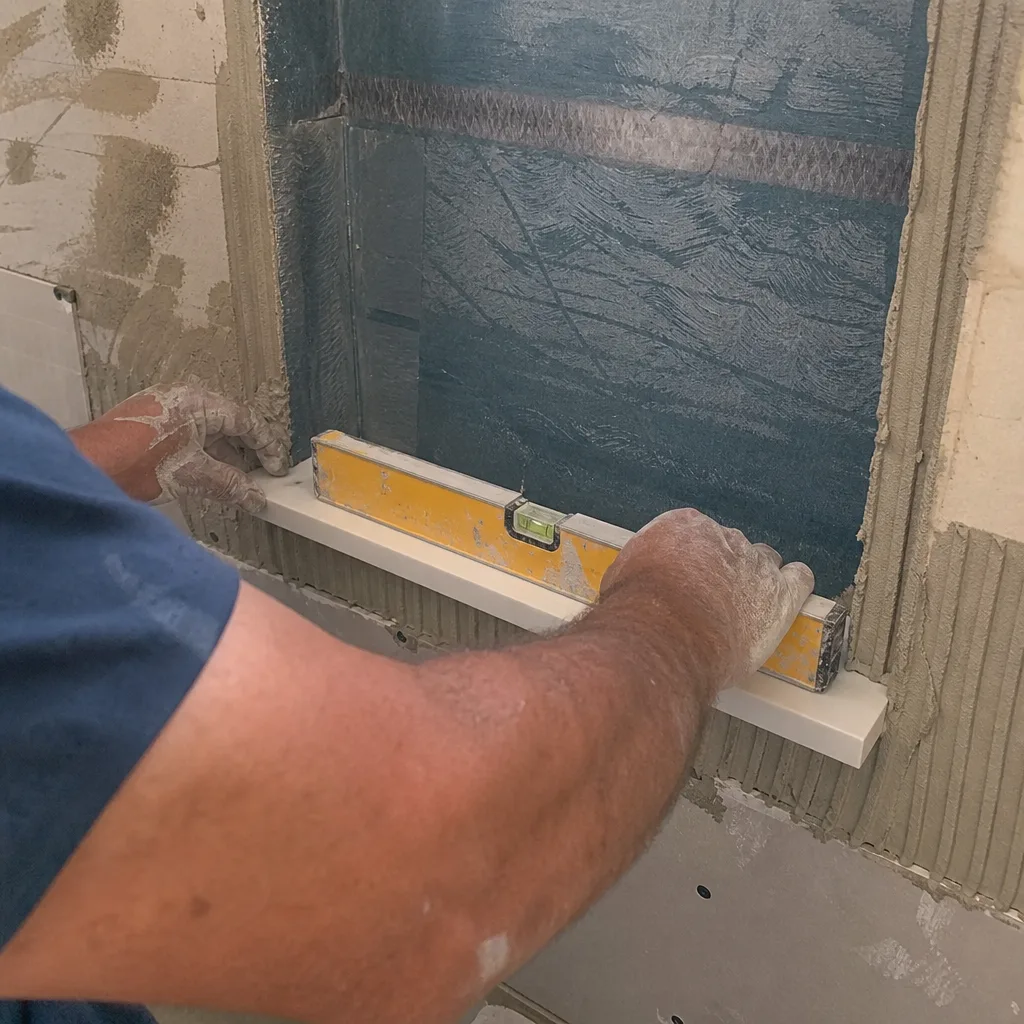
How much does glass railing installation cost per linear foot in Pomona?
Glass railing installation in Pomona costs between $150 and $400 per linear foot, installed, depending on system type (semi-frameless vs. frameless), glass specification, and substrate conditions. Semi-frameless systems with standard tempered glass run $150-$280 per linear foot. Fully frameless systems with low-iron or laminated glass run $250-$400 per linear foot. Call (626) 606-1081 for an exact number on your project — the estimate is free and the price is written before any work starts.
Do I need a permit for glass railing installation in Pomona?
Yes, if the railing is 30 inches or more above grade. The City of Pomona Building and Safety Division requires a permit for residential guardrails meeting that threshold, and the permit fee for a standard project runs $150-$550 depending on project valuation. Rowan pulls the permit as a standard step — the cost goes into your written estimate upfront, not as a surprise at the end. Processing typically takes 10-20 business days in 2026.
How long does glass railing installation take in Pomona?
Most Pomona glass railing projects take 2-4 days of on-site installation once materials are fabricated and permits are approved. The longer timeline is for staircase-heavy projects or jobs where substrate prep adds a day. Fabrication and permit processing add 2-4 weeks to the overall project timeline, which is why an early site visit matters — the written estimate, permit application, and material order can all run in parallel.
Is frameless glass railing worth the extra cost?
Frameless glass railing adds $50-$120 per linear foot over a comparable semi-frameless system, so on a 40-foot project that’s $2,000-$4,800 more. Whether it’s worth it depends on two things: how visible the posts would be in the semi-frameless layout, and whether the substrate is already suited for point-load anchoring. On pool-facing decks or anywhere the railing is a primary visual feature, most Pomona homeowners find the upgrade holds its value — both aesthetically and at resale. On a side-yard or utility run, the semi-frameless result is nearly identical and the savings are real.
Can Rowan Construction Group match a competitor’s glass railing quote?
Rowan offers a Free Second Opinion on any written estimate — bring a competitor’s quote and Grant Rowan will review it line by line at no charge. The goal is to make sure you’re comparing apples to apples: does the competitor’s number include the permit, substrate prep, and a written warranty? Or does it cover materials and labor only? A number without a complete scope isn’t a real number. Call (626) 606-1081 to schedule that review — it costs nothing and takes about 20 minutes.
What maintenance does glass railing require in Pomona’s climate?
In Pomona’s climate, the main maintenance items are cleaning and hardware inspection. Glass panels should be cleaned 3-4 times per year with a non-abrasive cleaner — Pomona’s seasonal Santa Ana winds deposit fine dust that etches glass over time if left. Silicone joints at base shoe channels should be inspected annually; Pomona’s temperature swings can cause sealant to fatigue faster than in coastal climates. Stainless hardware near pools should be wiped down monthly to prevent mineral deposit buildup. Beyond that, a properly installed glass railing system requires no repainting, no staining, and no seasonal adjustment.
Why Pomona Homeowners Work With Rowan Construction Group
Rowan Construction Group has been delivering residential construction projects since 2007, and every one of the 4,000-plus jobs completed since then started the same way: a written price before anyone picked up a tool. That’s not a marketing claim — it’s the founding discipline that Grant Rowan built into the company structure and that Haven formalized into the Haven Standard when they acquired Rowan.
For glass railing specifically, that discipline matters because the category has a reputation for scope creep. A crew shows up, finds a substrate problem, and comes back with a number that wasn’t in the original conversation. Under Clause 1 of the Haven Standard, the price is written before work starts. If something changes after the written scope is signed, a change order is written and signed before any additional work proceeds. That’s the administrative control that keeps Rowan’s projects within a few percent of the number you agreed to — not a promise, a documented record across 4,000-plus jobs.
The 365-Day Done Right Promise means that if something isn’t right after the crew leaves, Rowan makes it right — backed by written terms, not a handshake. The documented photo record means you have evidence of what was installed and in what condition at handoff. And a live person answers calls 24/7, which matters when you’re trying to coordinate an inspection or track a material delivery.
If you’re researching glass railing options for your Pomona home, the home page has an overview of all seven trades Rowan handles, each with the same written-price-first approach. Glass railing sits within a broader exterior and hardscape scope — if your project involves paving, fencing, or an addition alongside the railing work, it can all be scoped together in a single site visit.
Ready to Get a Written Price for Your Pomona Glass Railing Project?
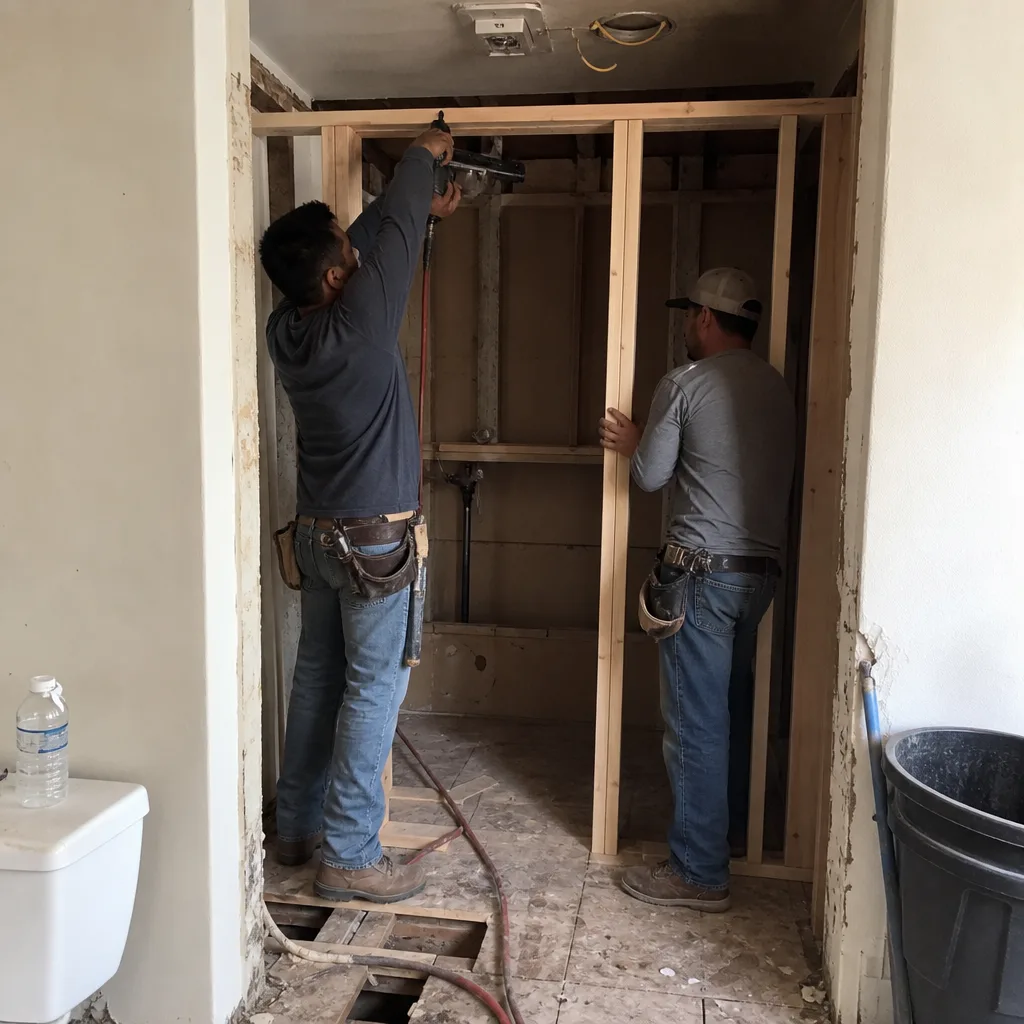
Call (626) 606-1081 to schedule a free estimate. Grant Rowan or a member of the Rowan Construction Group team will visit your Pomona property, document the substrate conditions in photos, measure the run, and deliver a flat written price with a written scope before any work is discussed further. No “call for a quote” runaround — a number, in writing, that you can screenshot and compare.
If you already have a competitor’s written estimate, bring it. The Free Second Opinion is a standing offer: Rowan will review it line by line at no charge so you know exactly what you’re comparing before you sign.
Pricing reflects the Pomona market as of 2026. Rowan Construction Group Pomona offers free estimates — call (626) 606-1081.
Written by Grant Rowan, Owner at Rowan Construction Group, serving Pomona, CA since 2007.
What Our Customers Say
"Final invoice was within two percent of the contract. Every change was priced and signed before anyone picked up a tool."
- Malcolm T."Driveway replaced properly with a base that will actually last. They explained why the cheaper quote was cheaper."
- Reggie O."Solid work, decent crew, and the site was left tidy every evening."
- Pearl A.