
Last updated September 24, 2026
Free written scope consultation - allowances, timeline, and change-order rules on paper before a single trade is scheduled
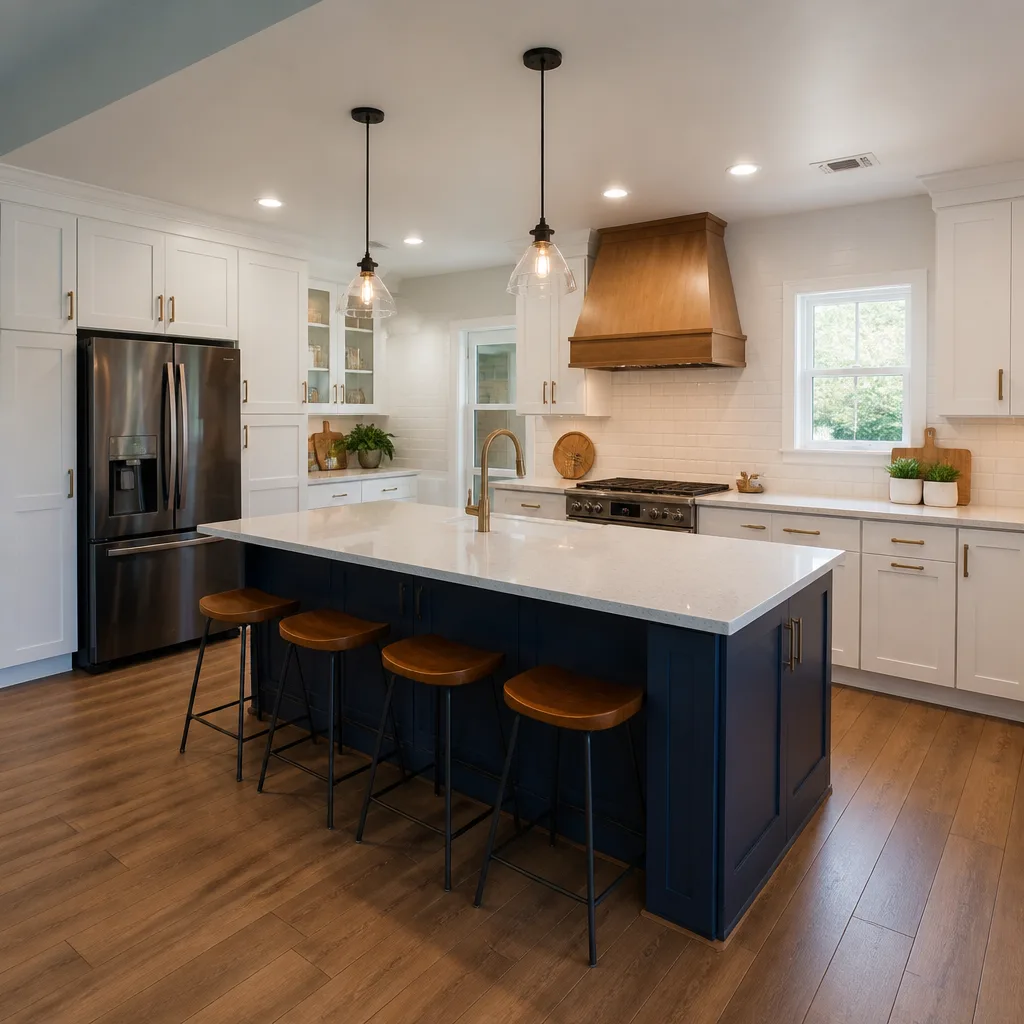






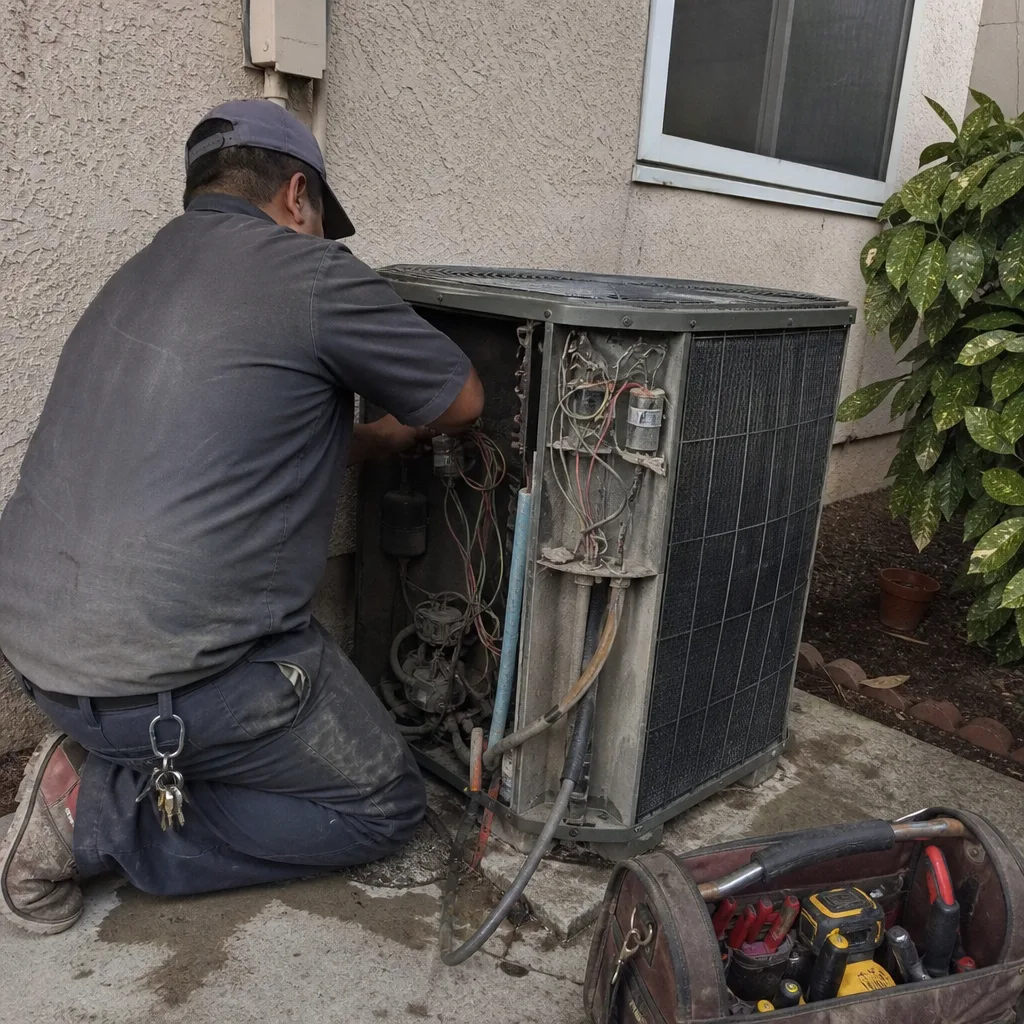 Before
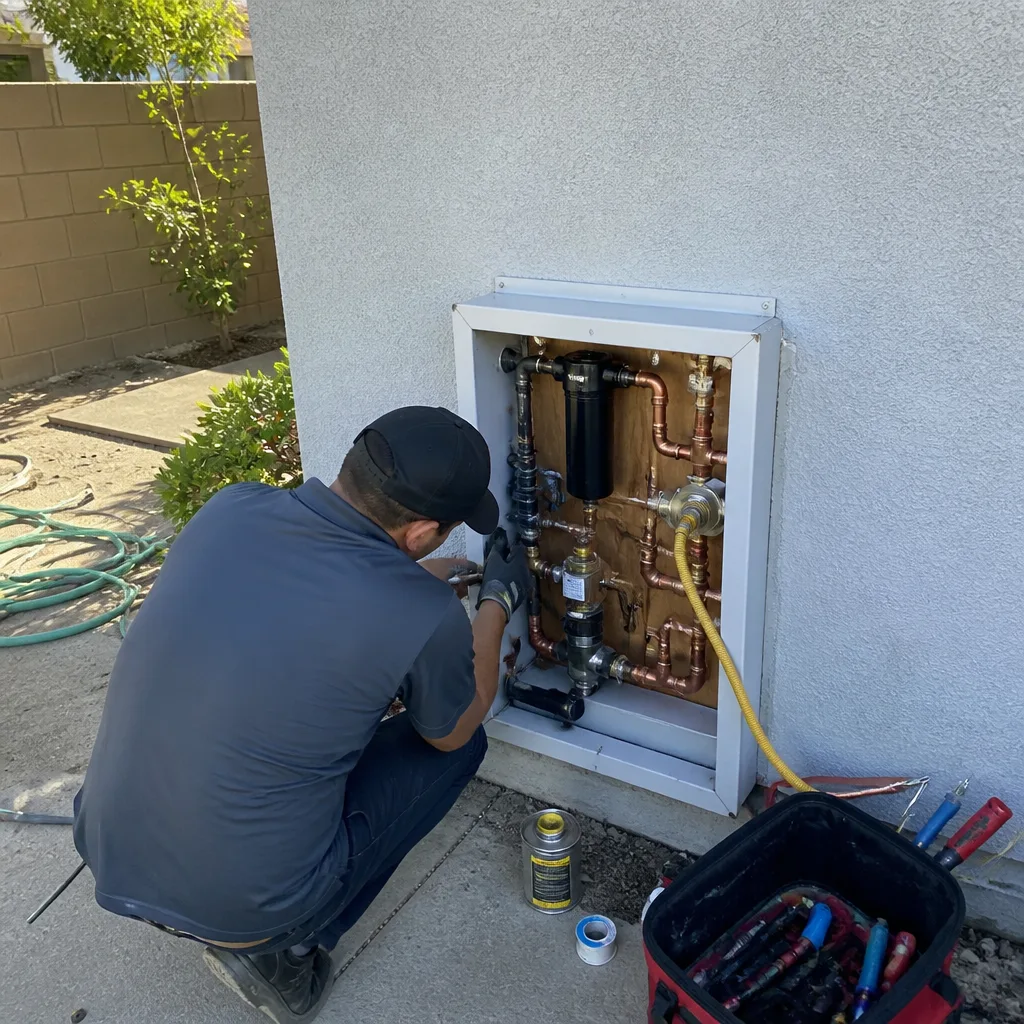 After
After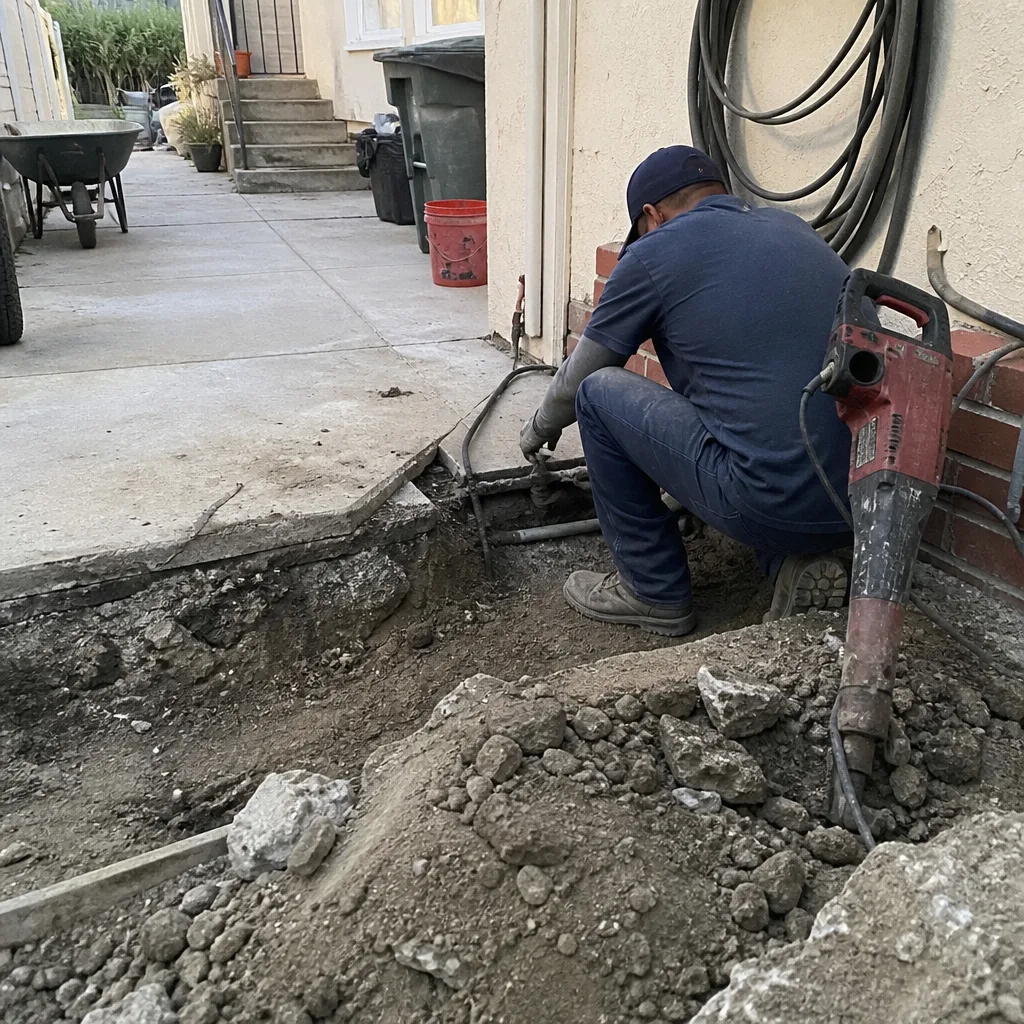 Before
 After
After Before
 After
AfterSeasonal Construction Care for Pomona: Year-Round Homeowner’s Guide
Pomona receives an average of only 17 inches of rain per year, but roughly 40% of that falls in a six-week window. Roofing systems and exterior waterproofing that perform adequately across 46 dry weeks can fail completely when that concentrated rainfall arrives. In this guide, you’ll learn why the standard four-season maintenance calendar fails in Pomona’s Mediterranean climate, and how to organize your home care around the two real stress periods that matter: Santa Ana wind events in fall and brief but heavy winter rain events. For The Complete Guide to Construction in Pomona and more guides & resources, see our blog. We’ll cover the specific inspection protocols, material choices, and timing decisions that protect homes in neighborhoods from Lincoln Park to Phillips Ranch.
Quick Answer
Homeowners in Pomona should organize construction maintenance around two primary phases: a pre-Santa Ana inspection and sealing push in October, and a post-rain-season structural assessment in March. The standard four-season calendar misses Pomona’s actual climate pattern - long dry stretches punctuated by concentrated wind and rain events that stress roofing, stucco, and exterior sealants differently than in climates with distributed precipitation. See our Construction Cost Breakdown: The Pomona Homeowner’s Reference for 2026 for typical project pricing.
Table of Contents
- Why the Four-Season Calendar Fails in Pomona
- Phase One: October Pre-Santa Ana Preparation
- Phase Two: March Post-Rain Inspection
- Thermal Cycling and Concrete Flatwork in Pomona
- Roof Flashing and Valley Protocol for Storm Events
- Santa Ana Wind Damage to Fascia, Soffit, and Ventilation
- Exterior Sealants and UV Degradation
- Interior Systems: Kitchens, Bathrooms, and ADUs
 Before
 After
AfterWhy the Four-Season Calendar Fails in Pomona
The maintenance calendars published by national home improvement brands assume four roughly equal seasons with distributed precipitation. That model describes Kansas, not Pomona. Our city’s climate is defined by two characteristics that make generic advice actively misleading: extreme concentration of rainfall and extreme thermal variation within single days.
From May through September, Pomona typically records less than one inch of total precipitation. The moisture that does arrive comes in brief, intense events - often less than six significant rain days across the entire winter. A roof with a minor flashing gap can shed water adequately for months, then leak catastrophically during a single February storm that drops two inches in six hours. The four-season approach spreads attention evenly across months where nothing happens, then misses the narrow window when intervention actually matters.
The thermal pattern is equally distinctive. Spring mornings in Pomona regularly drop to 40°F, with afternoon highs reaching 90°F. That 50-degree daily swing causes materials to expand and contract at rates that exceed their design tolerance if the wrong products were specified. Concrete flatwork, stucco, and exterior sealants all degrade faster under this cycling than under steady temperatures, even hot ones.
We’ve documented this pattern across our 4,000-plus projects. In 2019, we inspected a home in the Mayfair neighborhood where the homeowner had followed a standard monthly maintenance checklist for three years. The roof appeared fine in routine checks. During a December storm, water entered through a valley that had been slowly separating from the flashing since the previous spring’s thermal cycling - invisible to casual inspection, obvious to a protocol designed for Pomona’s actual climate.
The two-phase calendar we describe below replaces the generic template with inspections timed to actual risk periods. It requires roughly the same total annual effort but directs that effort where it prevents failures rather than where it merely checks boxes.
Phase One: October Pre-Santa Ana Preparation
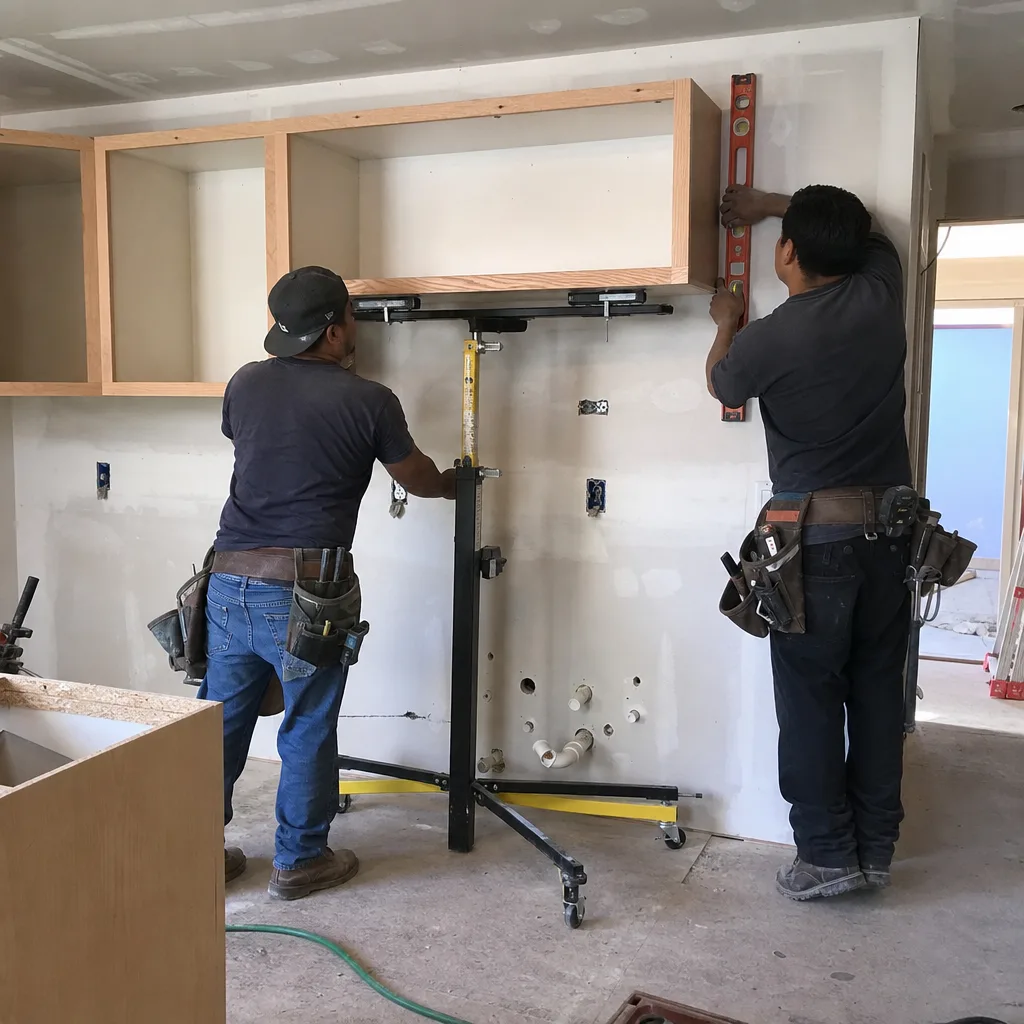
Santa Ana wind events typically begin in October and peak in November and December. Sustained winds of 40-60 mph, with gusts exceeding 80 mph, are common. These winds test every exterior system on a Pomona home, and they arrive after the long dry season has allowed materials to shrink, crack, and loosen.
The October inspection protocol addresses five specific vulnerabilities:
- Roof perimeter security: Check all rake and eave edges for lifted shingles or tiles. Santa Ana winds enter at the roof edge and peel materials back progressively. In Pomona’s inland location, away from coastal moderating effects, wind speeds at roof level often exceed ground measurements by 20%. We look for shingles with compromised sealant strips - the sun has had six months to degrade the asphalt - and replace any that lift with finger pressure.
- Flashing and penetration seals: Inspect all pipe jacks, vent flashings, and chimney saddles. The thermal cycling of spring and summer opens gaps that the October winds then exploit. We apply fresh sealant at any point where the existing bead has cracked or separated from either surface. For homes in the Ganesha Hills area, where wind exposure is highest due to elevation, we recommend stepping up to preformed pipe boots with integrated rain collars rather than relying on field-applied sealant alone.
- Gutter and downspout anchoring: Wind loads on gutters increase dramatically when debris is present - the trapped material creates sail area. Clean all gutters completely, then test each hanger by applying downward pressure. In Pomona, where freeze-thaw cycles are minimal, hanger spacing can often be wider than in cold climates, but Santa Ana winds impose lateral loads that cold-climate designs don’t account for. We add hangers where gutters show movement.
- Exterior caulk joints: Re-caulk all window and door perimeters, stucco control joints, and trim intersections. The specific products matter here; see the sealant section below. In October, temperatures are still moderate enough for proper cure chemistry, and the fresh sealant has time to skin before the first significant rain.
- Tree and vegetation management: Trim all branches within 10 feet of roof surfaces. Santa Ana winds don’t just break branches - they drive them against surfaces with sustained abrasive force. In the Arroyo area, where mature oak and sycamore canopies are common, we’ve seen wind-driven branches wear through composition shingles in a single event.
The October phase also includes one interior check: attic ventilation balance. Santa Ana winds create negative pressure at leeward vents that can draw conditioned air out of the house and pull dust and embers in. Verify that soffit vents are unobstructed and that ridge vents have intact baffles. The baffle, a simple wind deflector installed under the ridge vent, prevents wind from pressurizing the attic space and forcing air downward through ceiling penetrations.
Under Clause 1 of the Haven Standard, any work identified in this inspection receives a written price before any work starts. Our October inspection visits include a documented photo record of every condition found, delivered to the homeowner before we leave the property.
Phase Two: March Post-Rain Inspection
By mid-March, Pomona’s rain season has typically concluded. The six-week concentration of moisture has tested every waterproofing system, and the subsequent warming has begun the thermal cycling that will dominate spring. This is the moment to assess what the rain revealed and what the coming thermal stress will exploit.
The March protocol has four components:
- Roof interior inspection: Access the attic space during daylight and look for water staining on rafters, sheathing, and insulation. The stains may be dry by March - the rain fell weeks ago - but the discoloration remains diagnostic. Trace each stain to its source on the roof plane above. Common failure points in Pomona’s concentrated-rain pattern are valleys, where water volume exceeds the channel capacity designed for gentler climates, and low-slope areas where debris dams form during brief intense events.
- Exterior drainage verification: Check all downspout terminations and surface drainage patterns. The heavy rain events that define Pomona’s winter often reveal grading deficiencies that are invisible during dry months. Look for soil erosion, foundation splash marks, and patio settling. In the Vintage Park area, where many homes were built on fill soils during the 1980s, we’ve documented settlement patterns that only become visible after concentrated water loading.
- Stucco and siding moisture indicators: Walk the perimeter and inspect for efflorescence - white mineral deposits that indicate water has moved through the material - at the base of walls, around windows, and at any horizontal trim lines. In Pomona’s climate, stucco can absorb significant moisture during a single heavy rain, then dry over subsequent weeks. The efflorescence marks the path. Also check for paint blistering or soft spots that indicate ongoing moisture retention behind the surface.
- Exterior wood condition: Probe all fascia, rake boards, window sills, and door thresholds with a screwdriver. The winter rain followed by spring warming creates ideal conditions for fungal growth in any wood that remained damp for more than 48 hours. In our experience across Pomona, the most commonly missed location is the fascia behind gutters - water enters through gutter seams or overflows, soaks the fascia back, and the damage progresses invisibly until the gutter pulls loose.
The March inspection also includes a forward-looking element: identifying the repairs that should be completed before the next Santa Ana season begins. Any roof repair, flashing replacement, or stucco remediation identified in March has seven months to be scheduled and completed before the October preparation cycle. This timing prevents the emergency repairs that occur when homeowners discover problems during the first wind event of fall.
For homeowners considering larger projects, March is also the optimal planning month for summer construction. Kitchen remodeling in Pomona and bathroom remodeling in Pomona both benefit from starting design and permitting in spring, with construction timed to avoid the holiday interruption period. Our written pricing process - flat price, written scope, signed agreement - requires approximately three weeks from initial measurement to final quote, so March initiation supports summer start dates.
Thermal Cycling and Concrete Flatwork in Pomona
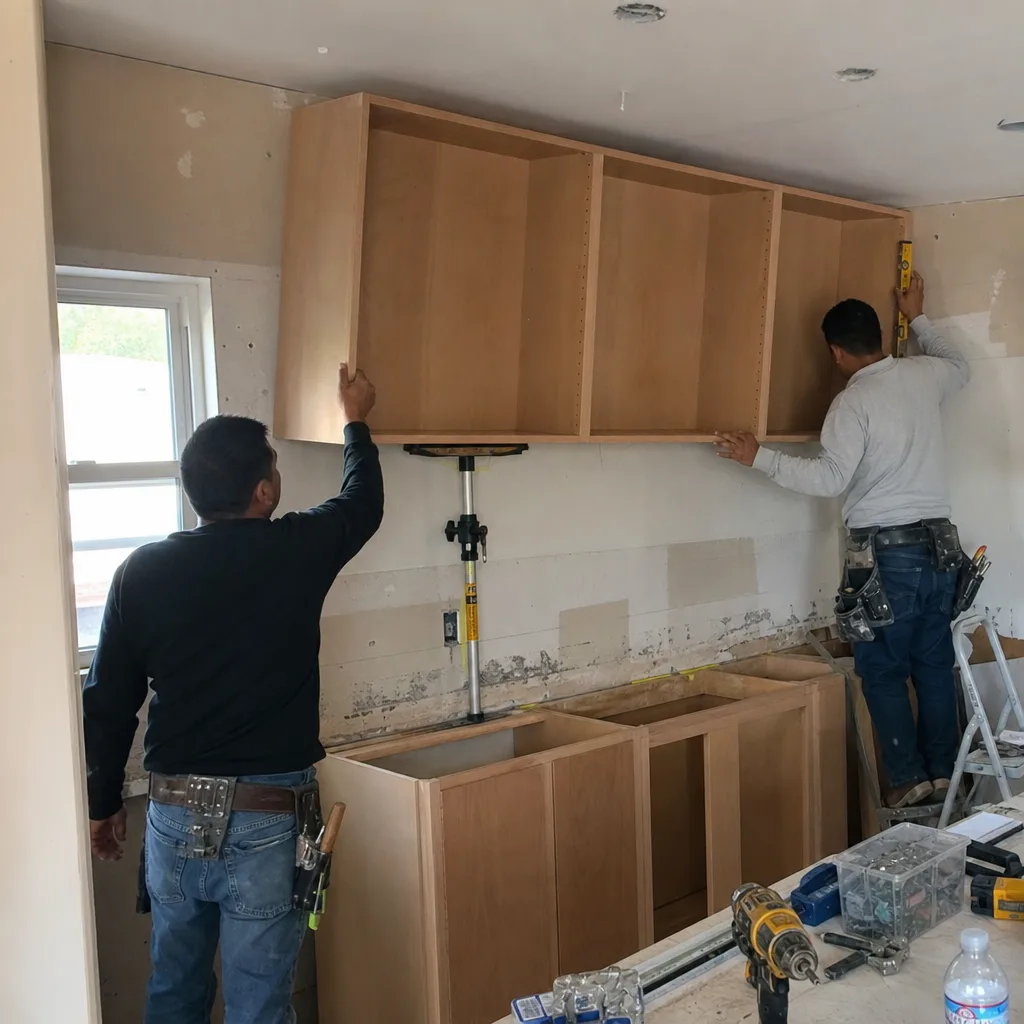
Pomona’s spring thermal pattern - 40°F overnight lows followed by 90°F afternoon highs - imposes a specific stress on concrete and masonry that homeowners in more temperate climates rarely encounter. The coefficient of thermal expansion for concrete is approximately 0.0000055 per degree Fahrenheit. Across a 50°F daily swing, a 20-foot driveway slab moves 0.066 inches. Over a spring season with 60 such cycles, the cumulative movement exceeds four inches of total travel.
This matters because concrete doesn’t expand and contract uniformly. The surface heats faster than the base, creating differential stress. Control joints are designed to relieve this stress, but they only work if they’re properly tooled to the correct depth - typically one-quarter of the slab thickness - and if they’ve remained clean enough to allow crack propagation at the joint rather than across the slab.
The inspection protocol for Pomona flatwork includes three specific checks:
- Joint integrity: Verify that control joints are open and free of debris or hardened sealant that would bridge the crack. In Pomona’s UV environment, polyurethane joint sealants degrade faster than in milder climates. We look for sealant that has become rigid or has lost adhesion to either sidewall. Rigid sealant transmits stress rather than absorbing it, defeating the joint’s purpose.
- Surface scaling and spalling: Check for areas where the surface mortar has separated from the aggregate beneath. This condition, called scaling, accelerates dramatically once it begins - the exposed aggregate creates differential absorption, and the thermal cycling pops additional surface layers. In Pomona, scaling that starts in spring often progresses through summer as the UV-driven surface heating intensifies.
- Edge and corner condition: Inspect where the slab meets other materials - garage aprons, sidewalk intersections, foundation walls. These are the points where restraint is highest and thermal stress concentrates. A corner that has begun to crack will propagate that crack through the full spring thermal cycle.
For new flatwork or replacement, the concrete specification matters in Pomona’s climate. We specify air-entrained concrete at 4-6% air content for all exterior flatwork, even though freeze-thaw damage is rare here. The air entrainment improves workability and reduces the internal stress that thermal cycling creates. For the Sakrete products we commonly specify, the High-Strength Concrete Mix at 4000 PSI provides adequate flexural strength for residential applications, while the Crack Resistant Concrete Mix with synthetic fiber reinforcement addresses the plastic shrinkage that occurs during rapid surface drying - a common condition in Pomona’s low-humidity spring afternoons.
Expansion joint material selection is equally specific. Standard fiberboard joint fillers degrade in Pomona’s UV within two to three years. We specify closed-cell polyethylene foam with a UV-stable facing, or preformed rubber expansion joint material rated for exterior exposure. The additional material cost - typically $2-4 per linear foot of joint - prevents the joint failure that leads to slab replacement at $8-12 per square foot.
Roof Flashing and Valley Protocol for Storm Events
Pomona’s rain pattern - brief, intense events rather than prolonged gentle rain - creates roof loading conditions that differ from the assumptions built into standard installation guidelines. A valley that handles moderate water flow adequately may be overwhelmed by the volume delivered in a two-inch-per-hour event. Flashing that sheds water gradually may allow backup and penetration when the flow rate exceeds the channel capacity.
Our inspection protocol for Pomona roof systems addresses this specific loading pattern:
- Valley capacity verification: Measure valley width and compare to the roof area being drained. The standard rule of thumb - one inch of valley width per foot of valley length for every 100 square feet of contributing roof area - assumes distributed rainfall. For Pomona’s concentrated events, we increase this by 25%. A valley that meets code minimum may still overflow during a design storm. In the Lincoln Park neighborhood, where many homes have complex roof plans with multiple valleys, we’ve replaced undersized valley metal with W-valley profiles that provide 50% greater cross-sectional area.
- Flashing height and seal: Check step flashing at wall intersections for minimum 4-inch vertical legs and proper integration with the wall weather barrier. The concentrated flow in Pomona storms tests the upper limit of flashing capacity. We look for any point where the flashing height has been compromised by subsequent work - satellite dish mounts, solar panel attachments, or cable penetrations - and restore the full height with custom-formed pieces.
- Fastener line integrity: Verify that all fasteners in the water flow path are sealed. In tile roofs, this means the nails or screws at the valley edge and at the first course above the valley. In composition shingle roofs, it means the sealant strip engagement of the cut shingles at the valley centerline. Wind-driven rain in Pomona’s storms enters at fastener points that static-water testing would miss.
- De dam assessment: Identify all points where roof geometry creates flow concentration or obstruction. The brief intense events don’t allow time for gradual drainage - water backs up at any obstruction. Common Pomona-specific issues include leaf accumulation at valley terminations, where the dry season deposits material that the first storm then traps, and HVAC platform dams, where equipment curbs interrupt flow paths.
The material specification for Pomona valleys also differs from standard practice. We specify minimum 26-gauge galvanized steel or 0.019-inch aluminum for valley liners, rather than the 28-gauge or 0.016-inch minimums that meet code. The heavier gauge resists the denting and deformation that concentrated water flow causes, maintaining the cross-sectional area that prevents overflow. For roofing in Pomona, this specification is included in our written scope as standard, not as an upgrade.
Under the Haven Standard, any roof inspection includes a documented photo record of all valley and flashing conditions, with measurements recorded and transmitted to the homeowner before the inspector leaves the site. This documentation supports insurance claims if storm damage occurs, and it establishes the pre-existing condition baseline for warranty purposes.
Santa Ana Wind Damage to Fascia, Soffit, and Ventilation
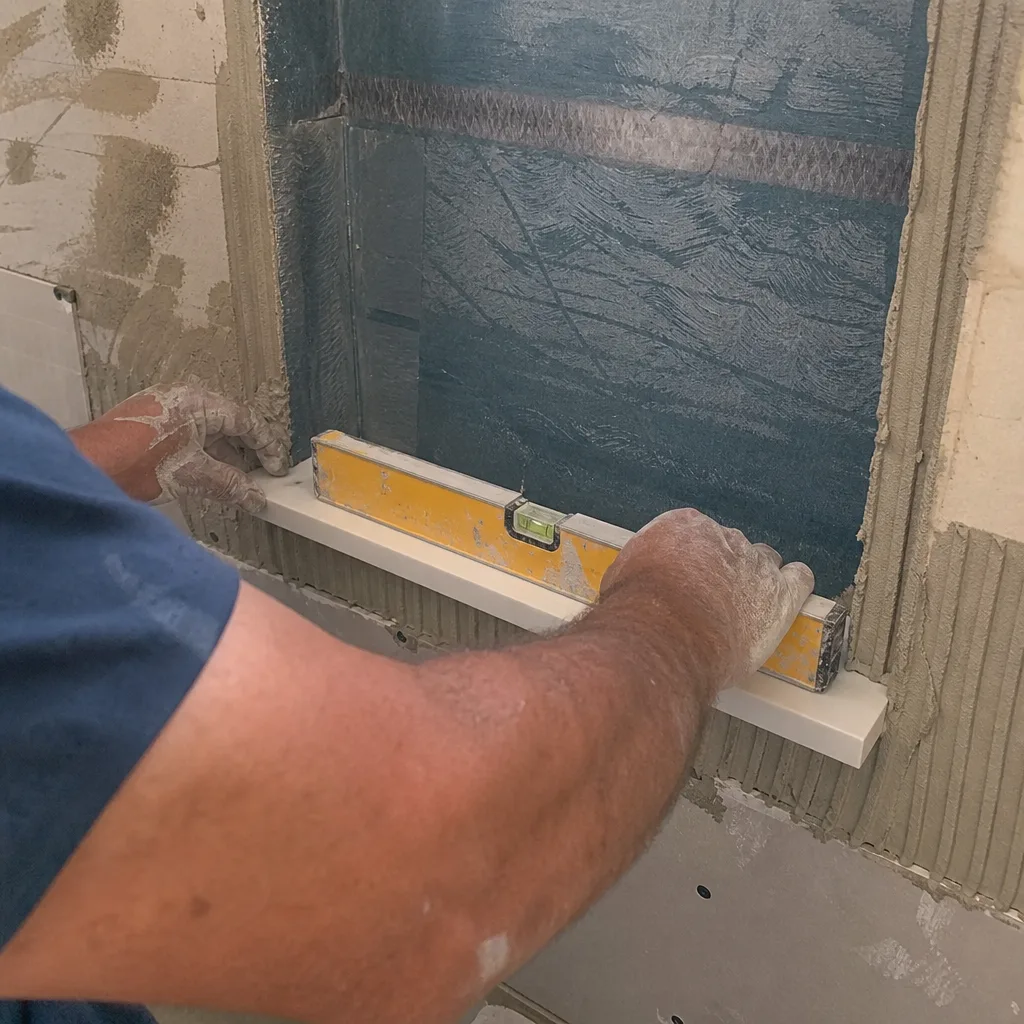
The Santa Ana wind events that define Pomona’s fall and early winter create a specific damage pattern that differs from thunderstorm wind or hurricane exposure. These are sustained directional winds, not gust fronts, and they test the attachment of materials over hours rather than minutes. The damage pattern reflects this duration stress.
Fascia boards are the most commonly affected element. The wind creates negative pressure at the eave edge that pulls the fascia outward against its fasteners. If the fascia has been compromised by moisture - often from gutter overflow during the previous winter - the fasteners pull through the softened wood. The fascia then separates progressively, often remaining attached at one end and creating a visible gap that admits wind, water, and pests into the soffit space.
The inspection protocol the day after a significant Santa Ana event includes:
- Fascia fastener check: Walk the perimeter and sight along the fascia line. Any bowing, separation from the rafter tail ends, or nail pop visibility indicates that the attachment has been stressed. Probe with a screwdriver at any suspicious location. In Pomona’s dry climate, fascia damage often progresses slowly - the wood is too dry to rot quickly - but the structural compromise accumulates across multiple wind seasons.
- Soffit vent integrity: Check all soffit vent panels for displacement or damage. The negative pressure at the eave pulls air through these vents at velocities far exceeding design. Panels with inadequate fasteners or deteriorated framing can be displaced entirely, creating openings that admit wind-blown debris and embers. In fire-prone areas of northern Pomona, this is a significant hazard. We verify that all vent panels are secured with corrosion-resistant fasteners at maximum 6-inch spacing.
- Ridge vent and attic ventilation hardware: Inspect ridge vents for displacement of the cap material or separation of the end dams. The sustained pressure differential across a ridge vent during Santa Ana conditions can lift the cap if the fasteners are underspecified. We also check turbine vents for bearing seizure - the high-speed rotation during wind events overheats dry bearings, and the seized turbine then blocks the vent opening entirely.
- Gutter alignment: Verify that gutters remain properly sloped toward downspouts. Wind loading on gutters, particularly when debris is present, can pull hangers loose and create low points that trap water. The trapped water then adds weight that stresses additional hangers, creating progressive failure.
Repair specifications for wind-damaged fascia and soffit in Pomona should address the specific loading. We specify fascia attachment with structural screws rather than nails, with minimum 2-inch penetration into the rafter tail. For soffit vents, we prefer continuous strip vents with integral structural backing over individual panel vents, as the continuous format distributes wind load across more attachment points. The Rowan Construction Group Pomona home page includes additional detail on our wind-damage assessment protocols.
Exterior Sealants and UV Degradation
Pomona’s annual solar exposure - approximately 3,000 hours of bright sun - creates a sealant degradation environment that few product specifications address. Most exterior caulk products are tested and rated for moderate UV climates, with accelerated aging protocols that simulate Phoenix or Miami conditions. Pomona’s combination of high UV, low humidity, and significant thermal cycling exceeds these test parameters.
The practical result is that sealants rated for “7-year durability” in standard conditions may fail in three to four years in Pomona. The failure mode is typically surface cracking and loss of elasticity, followed by adhesive failure at one substrate. Once the sealant cracks, the low humidity prevents the self-healing that occurs in more humid climates - the crack propagates rather than resealing.
For Pomona applications, we specify sealants in three categories:
| Application | Product Type | Pomona-Specific Specification |
|---|---|---|
| Stucco control joints and trim | Polyurethane | Minimum 35 Shore A hardness, UV-stabilized aliphatic chemistry, not aromatic |
| Window and door perimeters | Hybrid (silane-modified polymer) | Movement capability +/- 35%, primerless adhesion to vinyl and aluminum |
| Roof penetrations and flashing | Silicone (neutral cure) | UV-stable formulation, not acetic acid cure, temperature range -40°F to 400°F |
| Concrete and masonry joints | Self-leveling polyurethane or polysulfide | Minimum 500% elongation, traffic-rated where applicable |
The distinction between aromatic and aliphatic polyurethane is particularly important in Pomona. Aromatic polyurethanes, which are common in lower-cost products, degrade under UV by a mechanism called aromatic ring oxidation - the material literally turns to powder at the surface. Aliphatic formulations cost 40-60% more but maintain surface integrity under UV exposure. For a typical Pomona home with 150 linear feet of stucco control joints and trim, the material cost difference is approximately $180-250, against a re-caulking labor cost of $800-1,200. The aliphatic specification pays for itself in the first extended cycle.
Application timing also matters. In Pomona, the optimal window for exterior sealant application is October through early November, after the summer heat has passed but before the first significant rain. The moderate temperatures allow proper cure chemistry, and the fresh sealant has time to develop full adhesion before the winter test. Spring application is possible but requires more careful moisture management - dew points in March and April can deposit surface moisture that interferes with adhesion on early-morning applications.
We document every sealant application with photos showing the substrate condition before application, the bead profile during application, and the finished joint. This record establishes the baseline for future condition assessment and supports warranty claims if premature failure occurs.
Interior Systems: Kitchens, Bathrooms, and ADUs
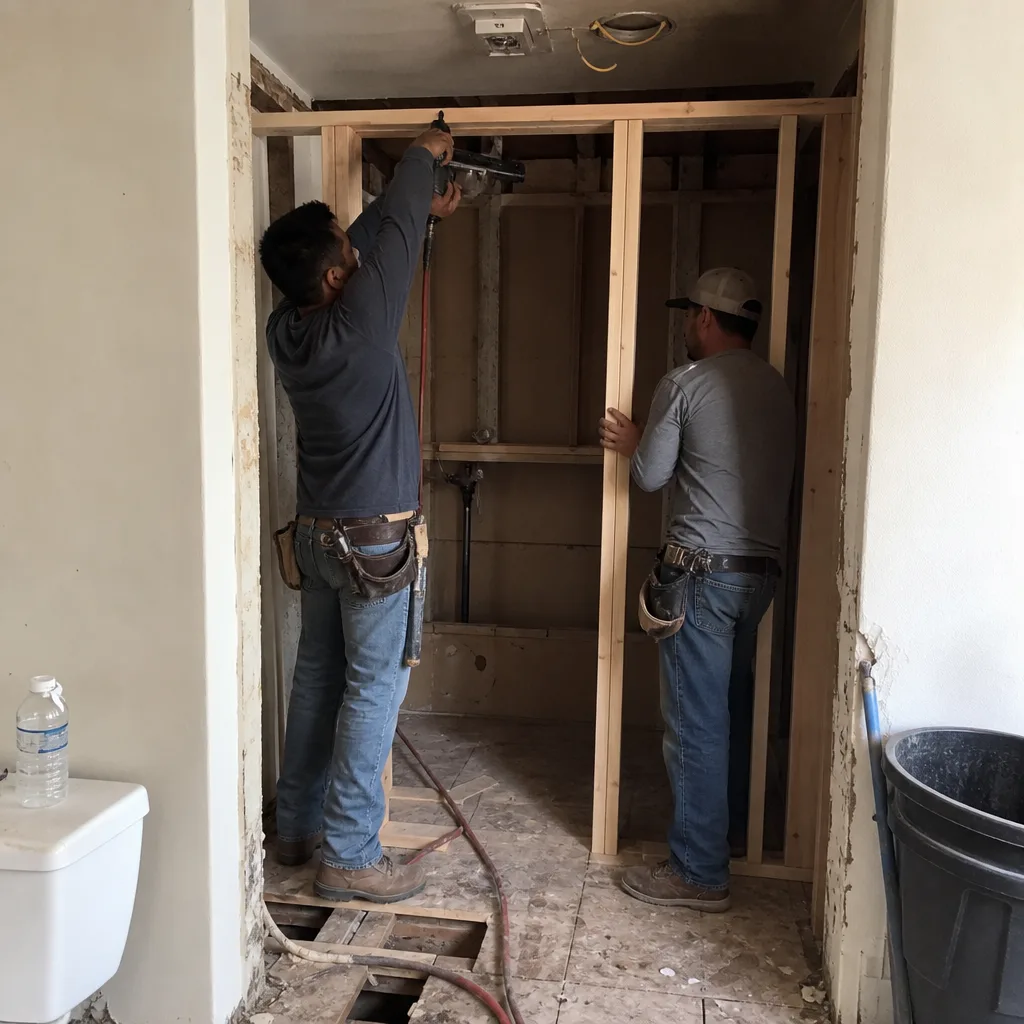
The seasonal maintenance calendar for Pomona’s exterior systems has an interior counterpart that is often overlooked. The same thermal cycling and moisture concentration that stress roofs and sealants also affect interior construction, particularly in spaces with significant water use and temperature variation.
Kitchens in Pomona homes experience thermal stress that differs from coastal locations. The combination of high summer ambient temperatures - indoor spaces without air conditioning regularly exceed 85°F - and heat-generating appliances creates expansion and contraction in cabinet materials, countertop substrates, and flooring. The standard maintenance protocol includes:
- Cabinet hinge and drawer adjustment: Check all hinges for proper alignment after the summer thermal cycle. Wood and wood-composite materials expand across the grain with humidity and along the grain with temperature. In Pomona’s dry climate, the humidity effect is minimal, but the temperature effect is significant. Hinges that were properly adjusted in spring may bind or gap by fall. We adjust all Euro-style hinges to maintain consistent 2-3mm door gaps.
- Countertop seal verification: Verify silicone sealant at countertop-to-wall and countertop-to-sink intersections. The thermal cycling opens gaps that water penetration then exploits. For stone countertops, we also verify that the initial sealant application - typically a penetrating silane/siloxane treatment - remains effective with a water-bead test. In Pomona’s hard water environment, mineral deposits can mask sealant failure, so we use distilled water for the test.
- Appliance ventilation clearance: Verify that refrigerator and dishwasher clearances remain adequate for heat dissipation. Summer ambient temperatures near these appliances can exceed 100°F at the compressor location, reducing appliance life and increasing energy consumption. We measure actual clearances against manufacturer specifications.
Bathrooms require attention to moisture management that reflects Pomona’s specific pattern. The winter rain season increases indoor humidity as occupants track in moisture and ventilation systems operate less efficiently in cooler temperatures. The March inspection includes:
- Shower pan and surround integrity: Check grout and caulk condition at all wet-area intersections. The thermal cycling that affects exterior materials also affects shower enclosures, particularly where tile meets dissimilar materials. We look for grout cracks at the shower base perimeter and caulk failure at the door frame.
- Exhaust fan performance: Measure actual airflow at the fan grille with an anemometer. The rated CFM assumes clean ductwork; Pomona’s dust accumulation in dry months reduces actual flow by 20-40% in homes without regular filter maintenance. We verify that the fan achieves minimum 50 CFM for standard bathrooms and 80 CFM for bathrooms over 100 square feet.
- Fixture seal and supply condition: Inspect supply line connections and drain assemblies for corrosion or mineral buildup. Pomona’s water hardness - approximately 280 ppm as CaCO3 - accelerates scale accumulation at fixture orifices and can obscure slow leaks that would be visible in softer water.
For homeowners considering accessory dwelling units, Pomona’s ADU regulations have evolved significantly since 2020. The city’s implementation of state-mandated streamlining includes specific requirements for utility separation, parking, and setback that affect seasonal construction timing. Foundation work for ADUs should be scheduled to avoid the winter rain window, as excavation and concrete placement are both compromised by saturated soil and surface water. The optimal construction window is April through October, with framing and weather-in completed before the first significant rain.
We’ve completed ADU projects using prefabricated systems from Dvele and Cover, as well as site-built construction. The prefabricated approach compresses the weather-sensitive construction phase, reducing rain risk, but requires precise site preparation timing - the module delivery cannot be delayed if conditions aren’t ready. Site-built construction offers more schedule flexibility but extends the exposure window. The choice depends on site conditions and the homeowner’s risk tolerance, and we discuss both approaches in our written scope and pricing. Visit our blog for more guides & resources on ADU planning and construction timing.
Common Mistakes to Avoid
- Applying a four-season maintenance calendar: Spreading attention evenly across twelve months wastes effort in dry periods and misses the narrow windows when Pomona’s climate actually tests construction. The October and March phases capture 80% of the value with 40% of the effort.
- Using interior-rated sealants on exterior Pomona applications: Acrylic latex caulk, adequate for interior baseboard in Michigan, degrades to powder in Pomona’s UV within 18 months. The failure is often invisible until water enters behind it.
- Ignoring thermal cycling in material specification: Selecting concrete, stucco, or roofing materials based on temperature range alone misses the damage mechanism. The 50°F daily swing in spring causes more stress than steady 100°F temperatures would.
- Delaying roof repair until a leak appears: In Pomona’s dry climate, roof damage can progress for months without interior evidence. The first indication is often catastrophic failure during a concentrated rain event, when repair options are limited and emergency premiums apply.
- Neglecting the Santa Ana wind check: Homeowners who inspect after rain events but not after wind events miss the progressive fascia, soffit, and ventilation damage that wind causes. The day-after inspection protocol prevents the emergency repairs that occur when damage accumulates unseen.
- Assuming that dry climate means no moisture risk: Pomona’s low average humidity creates complacency about moisture management. The actual risk is concentrated in brief intense events and in the vapor drive created by extreme temperature differentials - conditions that standard moisture management doesn’t address.
When to Call a Professional
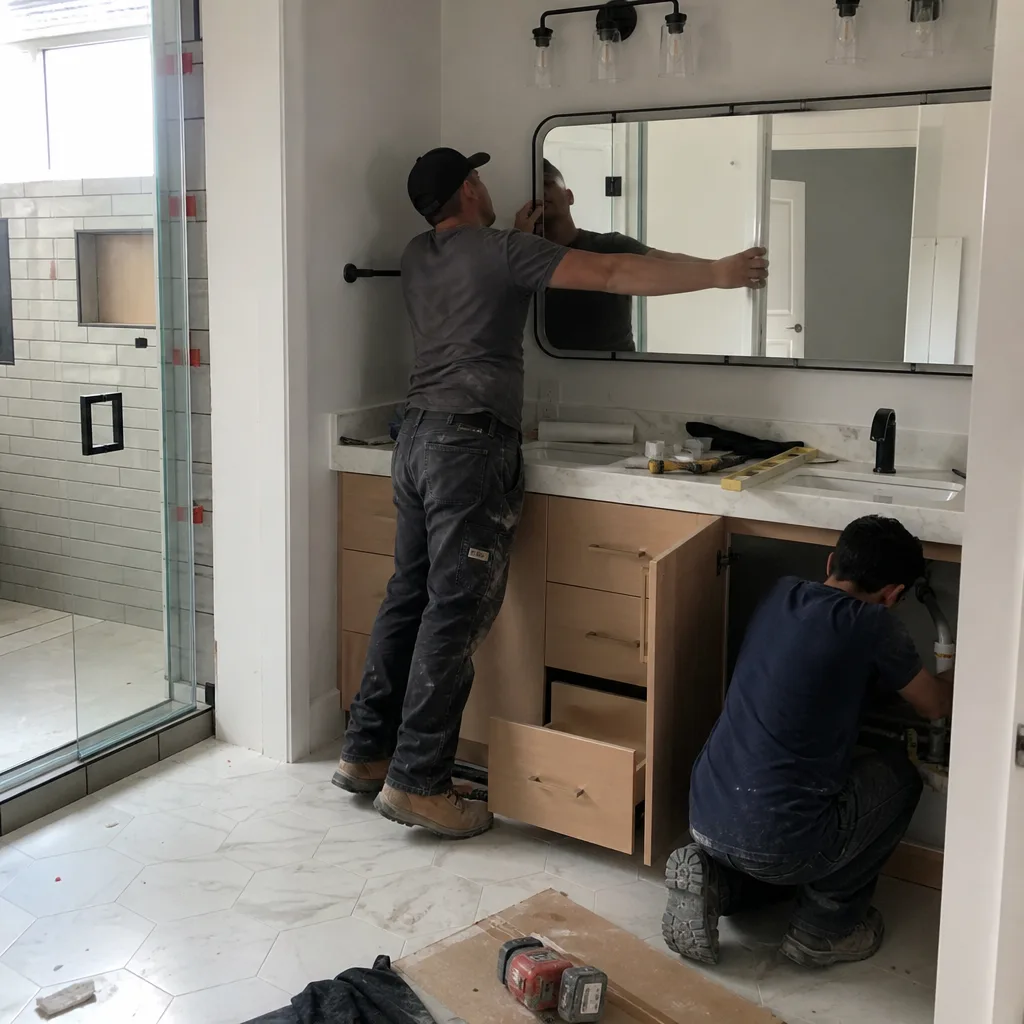
Some conditions require professional assessment regardless of the homeowner’s maintenance skill. Roof work on slopes exceeding 4:12 presents fall risk that professional crews manage with proper harness and anchor systems. Electrical work near service entrances or in wet locations requires licensed expertise. Structural modifications, including the removal of any load-bearing element, need engineering verification.
Specific to Pomona’s climate, we recommend professional inspection when: valley staining appears in the attic after any rain event; stucco efflorescence recurs after cleaning; concrete spalling exceeds 1/4-inch depth; or any fascia or soffit separation is visible from ground level. These conditions indicate systemic issues that spot repair won’t address.
Rowan Construction Group Pomona offers free estimates in Pomona - call (626) 606-1081. Every estimate includes a written flat price, a written scope of work, and a documented photo record of conditions found during inspection. We also offer a Free Second Opinion on any written estimate from another contractor, reviewed line by line at no charge.
Frequently Asked Questions
Professional seasonal inspection and basic maintenance for a 1,800-square-foot Pomona home typically ranges from $400-$800 for the October phase and $300-$600 for the March phase, depending on roof complexity and accessibility. This includes inspection, gutter cleaning, sealant touch-up, and a documented photo record. Repairs identified during inspection are quoted separately with written flat pricing before any work proceeds. Call (626) 606-1081 for an exact quote - estimates are free.
No. Under Clause 1 of the Haven Standard, the written price is delivered before any work starts, every time. If inspection reveals additional conditions not visible during the initial assessment, we document them, provide a separate written quote, and no work proceeds on the new scope until the change order is signed. This discipline has kept our projects within a few percent of the agreed price across 4,000-plus jobs since 2007.
Pure maintenance - cleaning, sealing, fastener replacement - typically does not require permits in Pomona. Any structural repair, roof covering replacement exceeding 100 square feet, or electrical or plumbing modification does require permitting through the City of Pomona Building and Safety Division. For details, see Construction Permits, Codes & Inspections in CA: What You Need to Know. We pull all required permits as part of our scope and schedule inspections to verify code compliance.
A complete two-phase inspection - October and March - requires approximately 3-4 hours on site per visit for a typical single-family home. The October visit includes ladder work at roof level; the March visit includes attic access and interior moisture assessment. We deliver the documented photo record and written findings before leaving the property.
Homeowners comfortable with ladder work can complete gutter cleaning, basic tree trimming, and visual roof inspection from ground level. Roof-level inspection, flashing assessment, and stucco repair require specialized knowledge and equipment. The critical factor is honest self-assessment of fall risk and diagnostic skill - the cost of missing a condition exceeds the cost of professional inspection. Call (626) 606-1081 to discuss what you can safely handle and where professional assessment adds value.
Pomona, Claremont, and La Verne share the same general climate pattern, but Pomona’s inland location and lower elevation create slightly more extreme thermal cycling and higher wind exposure in northern neighborhoods near the San Gabriel Mountains. The maintenance calendar is identical, but homes in Ganesha Hills or the northern Arroyo area may benefit from more frequent wind-damage inspection. Southern Pomona neighborhoods near the 10 freeway experience more particulate accumulation on roof surfaces that affects drainage patterns.
The Bottom Line
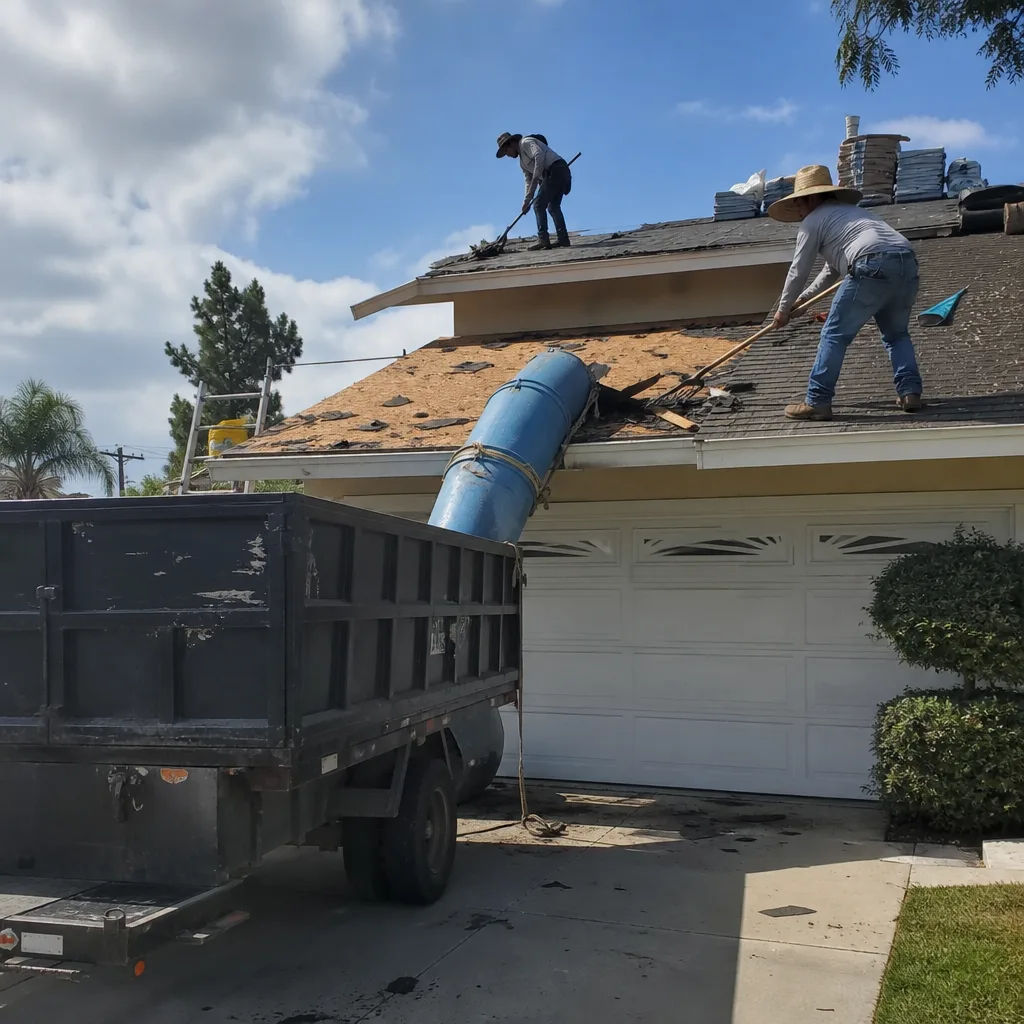
Pomona’s Mediterranean climate demands a maintenance approach organized around actual stress events, not calendar quarters. The two-phase protocol - October preparation before Santa Ana winds, March assessment after concentrated winter rain - directs homeowner effort where it prevents failure. Thermal cycling, UV degradation, and wind loading are the dominant degradation mechanisms here, not freeze-thaw or chronic moisture exposure. Materials and methods must be specified for these specific conditions. Documentation - written scope, written price, photo record - transforms maintenance from reactive repair to managed asset protection.
Written by Grant Rowan, Owner at Rowan Construction Group Pomona, serving Pomona since 2007.