
Last updated September 24, 2026
Free written scope consultation - allowances, timeline, and change-order rules on paper before a single trade is scheduled






 Before
 After
After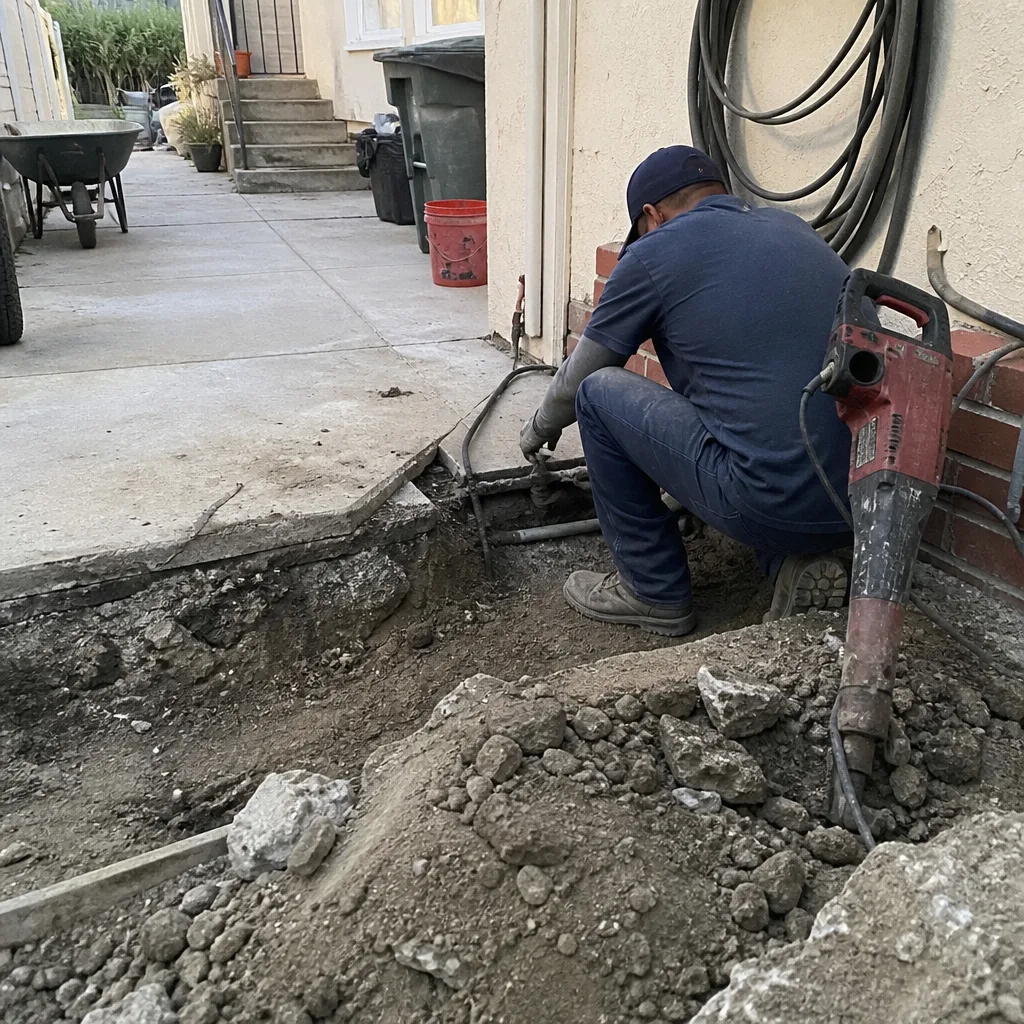 Before
 After
After Before
 After
AfterConstruction Warning Signs: A Pomona Homeowner’s Reference Guide
The most expensive contractor mistake in a Pomona remodel rarely involves falling plaster or flooded floors. It involves a verbal change order for $3,400 of work that appears on the final invoice as $9,800, with no signed authorization to dispute. Across 4,000-plus projects since 2007, we’ve learned that construction warning signs aren’t dramatic failures. They’re small, documentable deviations from standard practice that appear in paperwork before they appear in materials. This guide shows you what to look for in a bid, a contract, and a job site so you can identify a high-risk contractor before a single check clears. Whether you’re renovating a 1950s ranch in Lincoln Park or adding an ADU in Phillips Ranch, the same documentation discipline protects your investment.
Quick Answer
The most reliable construction warning signs are found in contract language, payment terms, and permit documentation, not in dramatic job site failures. A Pomona homeowner should reject any bid that relies heavily on “allowances” rather than fixed prices, any contract requesting more than 10% down before work begins, and any contractor who cannot produce a valid permit number with a posted job site placard. These three checks, performed before signing, eliminate the majority of contractor disputes in California.
Table of Contents
- Contract Language Red Flags: Allowances vs. Fixed Price
- Payment Schedule Warning Signs and California Law
- How to Verify a Permit Is Actually Pulled in Pomona
- Job Site Warning Signs by Project Phase
- Subcontractor Protocol: Who’s Actually Doing the Work
- Documentation Standards: What You Should Receive
- Pomona-Specific Risks: Climate, Code, and Market Conditions
 Before
 After
AfterContract Language Red Flags: Allowances vs. Fixed Price
Every construction contract in Pomona contains one of two pricing structures: fixed price or cost-plus with allowances. The difference determines who bears the risk when material costs shift or selections change. A fixed-price contract states the total cost for a defined scope. An allowance-heavy contract estimates categories, then bills the actual cost plus markup, often with the final number unknown until weeks after completion.
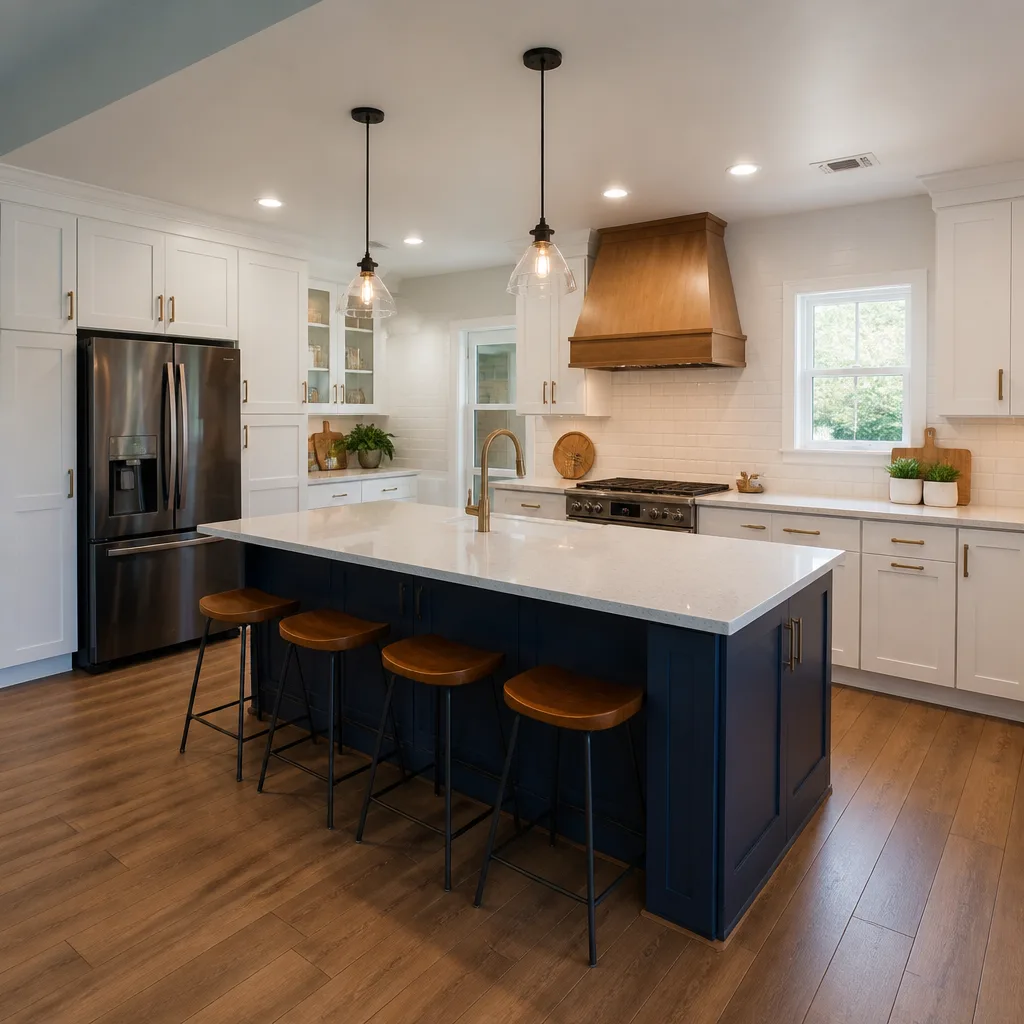
We’ve reviewed competitor bids for Pomona homeowners who brought us their paperwork under our Free Second Opinion offer. The pattern is consistent. A kitchen remodel bid shows $18,000 for “cabinets and countertops” as a single allowance. The homeowner selects KraftMaid semi-custom boxes and Cambria quartz. The final invoice: $31,400, with no written change order authorizing the excess. The contractor’s defense: the allowance was never a cap, only a placeholder.
Under Clause 1 of the Haven Standard, Rowan Construction Group delivers a written price before any work starts, every time. That price is built from actual selections, not placeholders. If you choose Wellborn cabinets and Caesarstone countertops, the quote reflects those brands at their current distributor pricing, plus labor, plus our markup, in a single number. If you change your mind later, the change order is written, priced, and signed before work proceeds.
Three contract language flags to watch for:
- “Allowance” used as a verb or without a defined maximum. A proper allowance specifies the dollar limit and what happens when that limit is exceeded. Vague language transfers all budget risk to you.
- “Price subject to final measurements” on a fully designed project. If plans are complete and the scope is defined, the price should be fixed. Measurement contingencies on finished designs often mask low bids that inflate later.
- No definition of “substantial completion.” California law provides a framework, but your contract should specify the exact criteria that trigger final payment. Without this, contractors can demand balance while punch-list items remain unresolved.
The kitchen remodeling projects we handle in Pomona neighborhoods like Westmont and Ontario Ranch typically involve $45,000 to $120,000 in construction value. At that scale, a 30% allowance overrun is not a minor adjustment. It’s a $13,500 to $36,000 surprise that could have been prevented by fixed-price contract language.
Payment Schedule Warning Signs and California Law
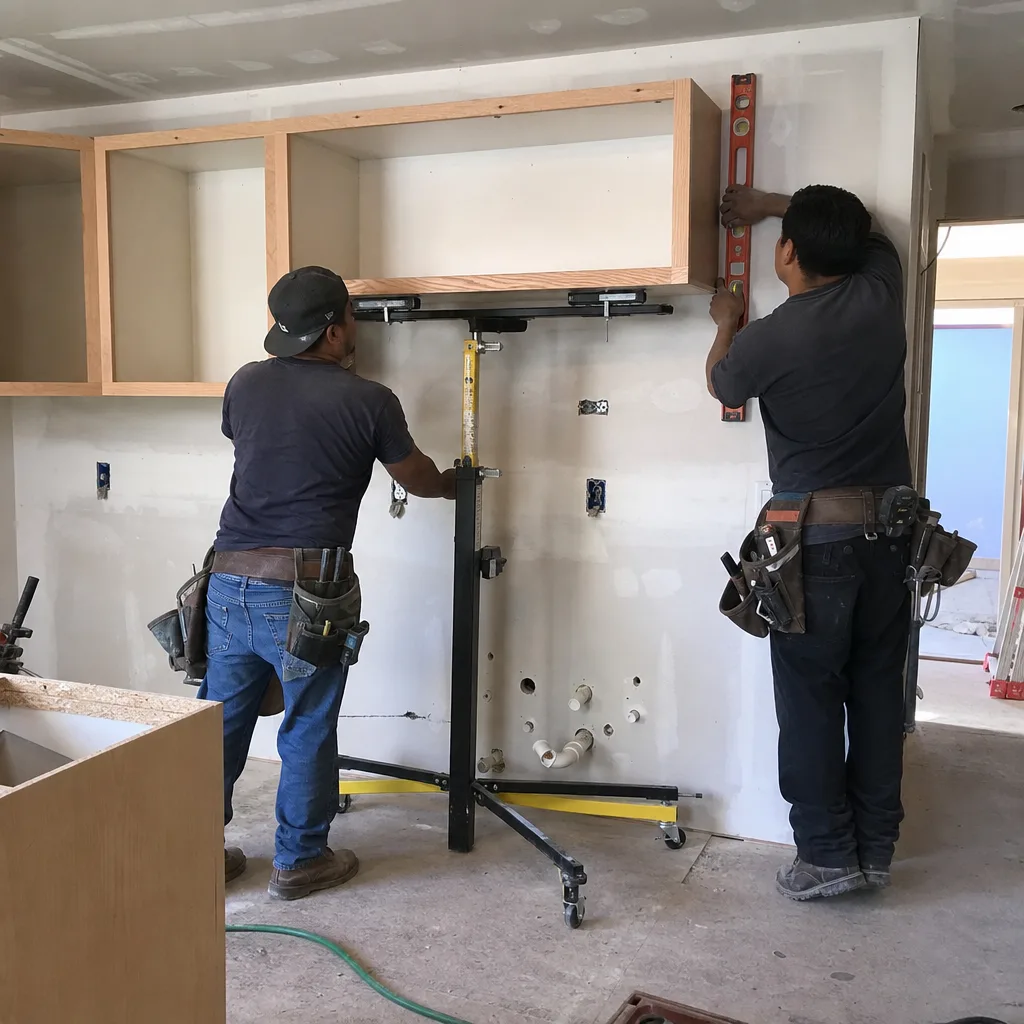
California Business and Professions Code Section 7159 governs residential construction contracts. Most Pomona homeowners have never read it. One provision is particularly protective: a contractor cannot require or accept a down payment exceeding 10% of the contract price or $1,000, whichever is less, before work begins. Any contract requesting more violates state law and exposes the homeowner to significant risk.
We’ve seen Pomona homeowners sign contracts with 25% or 30% down payments, often justified as “material deposits” or “scheduling fees.” The contractor disappears with the deposit, or the project stalls for months while the homeowner lacks leverage to enforce progress. The 10% rule exists precisely because California’s legislature recognized this pattern.
A legitimate payment schedule for a Pomona home addition or major remodel typically follows this structure:
- 10% at contract signing, held as a deposit against the final payment
- 25% at mobilization, when materials are delivered and crew begins work
- 25% at rough inspection, when framing, electrical, and plumbing are complete and inspected
- 25% at substantial completion, when the project is usable with only punch-list items remaining
- 15% at final inspection and sign-off, when all permits are closed and documentation is delivered
Any contract that front-loads payments, that requests “50% to order materials,” or that structures payments around calendar dates rather than verifiable milestones should be reviewed carefully. The homeowner’s leverage is the unpaid balance. Once you’ve paid 80% or 90%, your ability to compel completion of remaining work diminishes dramatically.
Our Rowan Construction Group Pomona home contracts follow this milestone structure precisely. The 365-Day Done Right Promise applies regardless of payment status, but the payment schedule itself is designed to maintain mutual accountability throughout the project timeline.
How to Verify a Permit Is Actually Pulled in Pomona
The phrase “permit in process” is a warning sign, not a reassurance. In Pomona, a permit is either issued or it isn’t. The Building Division at City Hall, 505 S. Garey Avenue, issues permit numbers that are immediately verifiable online. A contractor who cannot provide that number within 48 hours of claiming a permit application is either misinformed or misrepresenting the status.
Here’s the specific verification process:
- Request the permit application number from your contractor. It should be provided in writing, not verbally.
- Visit the Pomona Building and Safety Division online portal or call (626) 606-1081.
- Enter the address or application number. The system shows status: application received, under review, corrections required, or issued.
- If issued, note the permit number and the listed scope of work. Verify it matches your contract scope exactly.
- Visit the job site. California law requires the permit placard to be posted visibly, typically near the front entrance or in a front window.
A permit “in process” for more than two weeks on a standard residential project in Pomona suggests either a complex plan correction cycle, which the contractor should explain specifically, or no application filed at all. We’ve taken over stalled projects in the north Pomona hills where the previous contractor collected a deposit, framed walls, and never pulled the permit. The homeowner discovered this only when a neighbor reported unpermitted work to the city.
The consequences of unpermitted work extend beyond stop-work orders. Insurance claims can be denied. Resale disclosures require disclosure. Appraisers and lenders flag unpermitted additions. The cost to permit retroactively often exceeds the original permit fee by multiples, and some work, particularly structural or electrical, cannot be brought into compliance without demolition.
Our crews photograph the posted permit as part of the documented photo record delivered on every visit. The permit number, issue date, and scope are recorded in your project file before demolition or excavation begins.
Job Site Warning Signs by Project Phase
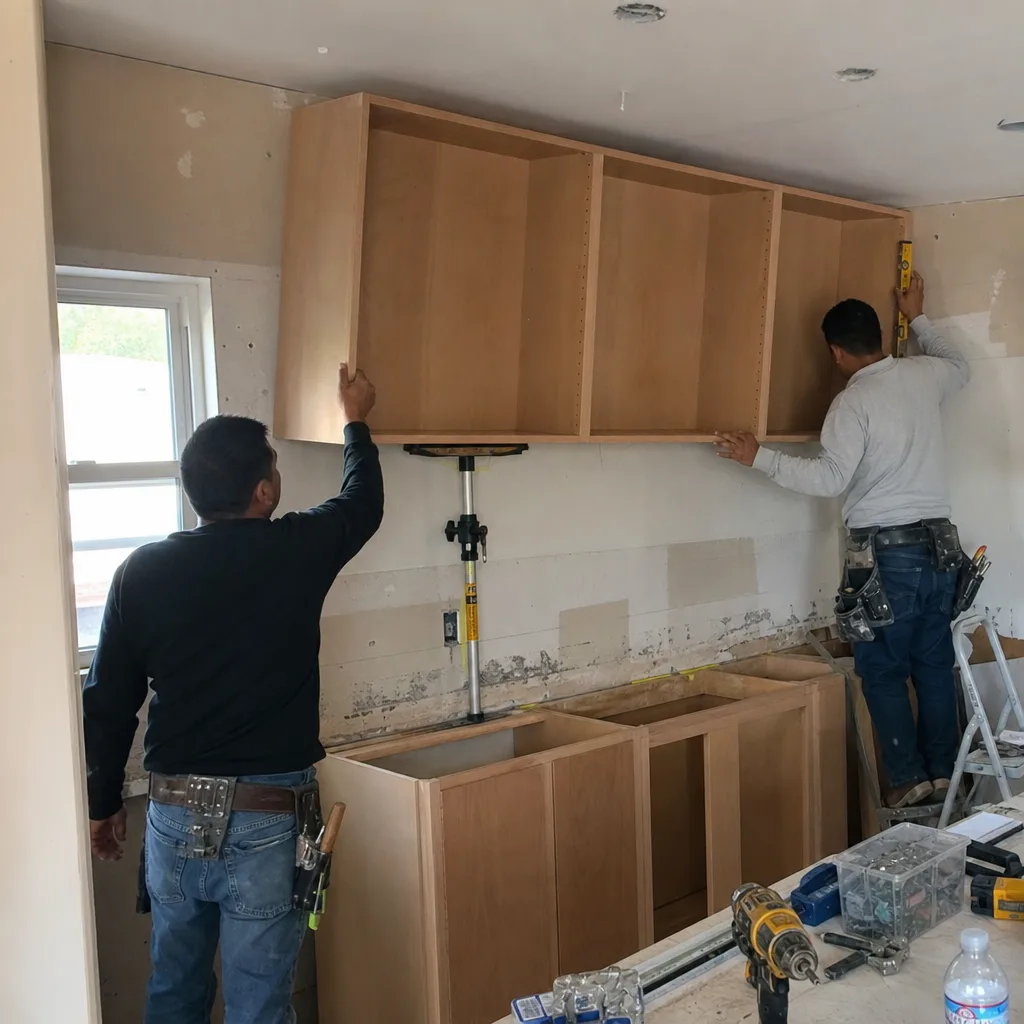
A job site reveals contractor discipline in ways that paperwork cannot. These indicators are visible to any homeowner, regardless of construction experience, and they change by project phase.
Demolition and Site Prep
Proper staging begins before the first wall comes down. Materials should be delivered to a designated zone, not scattered across the driveway. Dumpsters or debris containers should be positioned to avoid blocking fire access or neighbor egress. In Pomona’s older neighborhoods like Mayfair or Madison, where lot setbacks are tight, this spatial discipline is particularly important.
Warning signs at this phase: no dust containment barriers between work area and living space; no protection for floors or surfaces outside the work zone; debris accumulating for more than two days without removal; workers parking to block the street or a neighbor’s driveway.
Framing and Structural
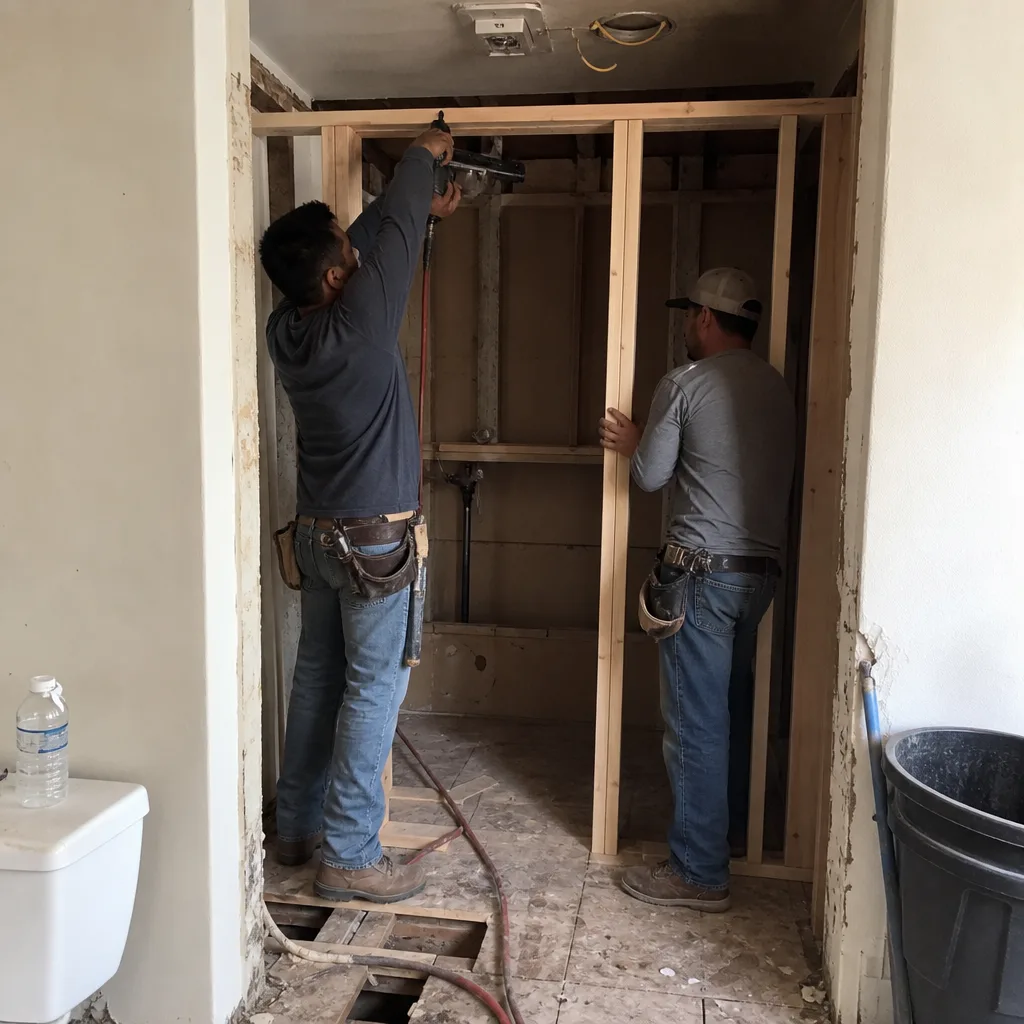
Framing quality is visible even to untrained eyes. Studs should be plumb, spaced at 16 or 24 inches on center consistently, and tied together with proper headers over openings. In Pomona, where seismic requirements apply, hold-downs and shear wall nailing patterns should be visible and consistent with the structural plans.
Warning signs: lumber stored in direct contact with soil; cuts made without regard for knot placement or grain direction; temporary supports that appear improvised rather than engineered; no posted structural plans or engineer’s details on site for reference.
Mechanical, Electrical, and Plumbing Rough
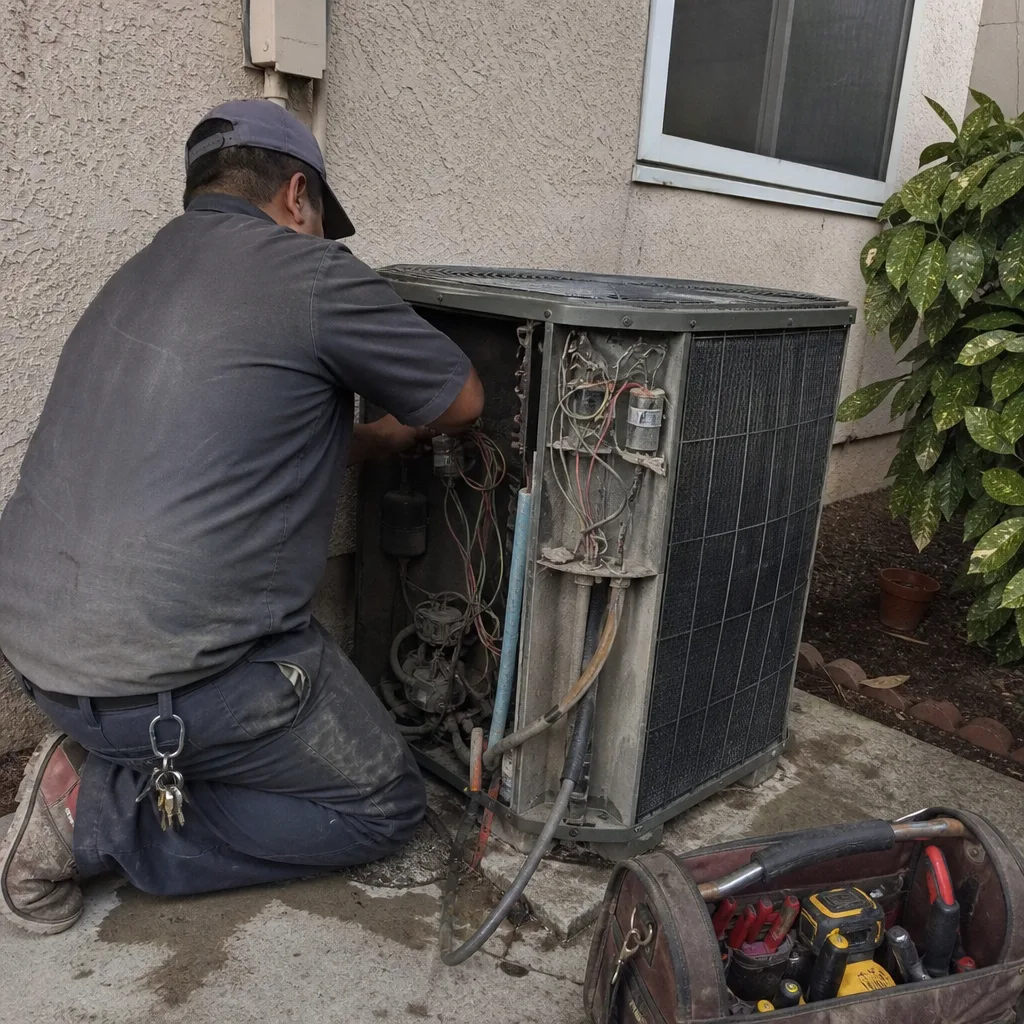
This phase is where bathroom remodeling and kitchen remodeling projects succeed or fail. Electrical panels should be de-energized properly before work. Plumbing pressure tests should be performed and documented before walls close. In Pomona’s climate, where summer temperatures exceed 95 degrees regularly, HVAC rough-in timing matters. Ductwork left exposed for weeks collects debris that reduces system efficiency.
Warning signs: electrical panels worked “live” without proper lockout procedures; plumbing joints without visible testing tags; ductwork or wiring resting directly on ceiling joists without support; multiple trade crews working in the same space without coordination, creating damage to completed work.
Finish Phase
The final phase reveals attention to detail or its absence. Paint lines should be crisp at trim intersections. Tile lippage, the height difference between adjacent tiles, should be imperceptible to bare feet. Cabinet installation should show consistent reveal lines and properly aligned hardware.
Warning signs: paint on hardware, switches, or glass; caulk smeared rather tooled; grout haze remaining on tile faces; protective film removed from fixtures before final cleaning, leaving scratches.
Our documented photo record captures each phase for comparison against these standards. The Haven Standard requires that work not meeting specification be corrected before the next phase begins, not deferred to a punch list that may never be completed.
Subcontractor Protocol: Who’s Actually Doing the Work
A general contractor who cannot name their licensed electrical and plumbing subcontractors at contract signing is a structural risk to your project timeline. This is not a minor administrative detail. In California, electrical and plumbing work must be performed by C-10 and C-36 licensed contractors, respectively, or by employees working under that contractor’s supervision. A general contractor who “will find someone” or “has a guy” has not done the procurement work that protects your schedule and your liability exposure.
We’ve replaced general contractors on Pomona projects where the electrical subcontractor quit mid-job, the “replacement” was unlicensed, and the homeowner discovered the deficiency only when the city inspector rejected the rough electrical work. The project stalled for eleven weeks.
At contract signing, request and verify:
- The name and CSLB license number of the electrical subcontractor
- The name and CSLB license number of the plumbing subcontractor
- Confirmation that these subcontractors are under contract for your specific project, not merely “available”
- Certificate of insurance naming you or your property as additional insured, or at minimum confirming general liability and workers compensation coverage
The Contractors State License Board website allows immediate verification of license status, bond, and insurance. A contractor who resists this transparency, who claims “we handle all that internally,” or who suggests you “trust the process” is asking for unearned confidence.
Rowan Construction Group maintains direct relationships with vetted electrical and plumbing contractors across Los Angeles County. Their licenses, insurance certificates, and project assignments are documented in your file before the notice of commencement is filed.
Documentation Standards: What You Should Receive
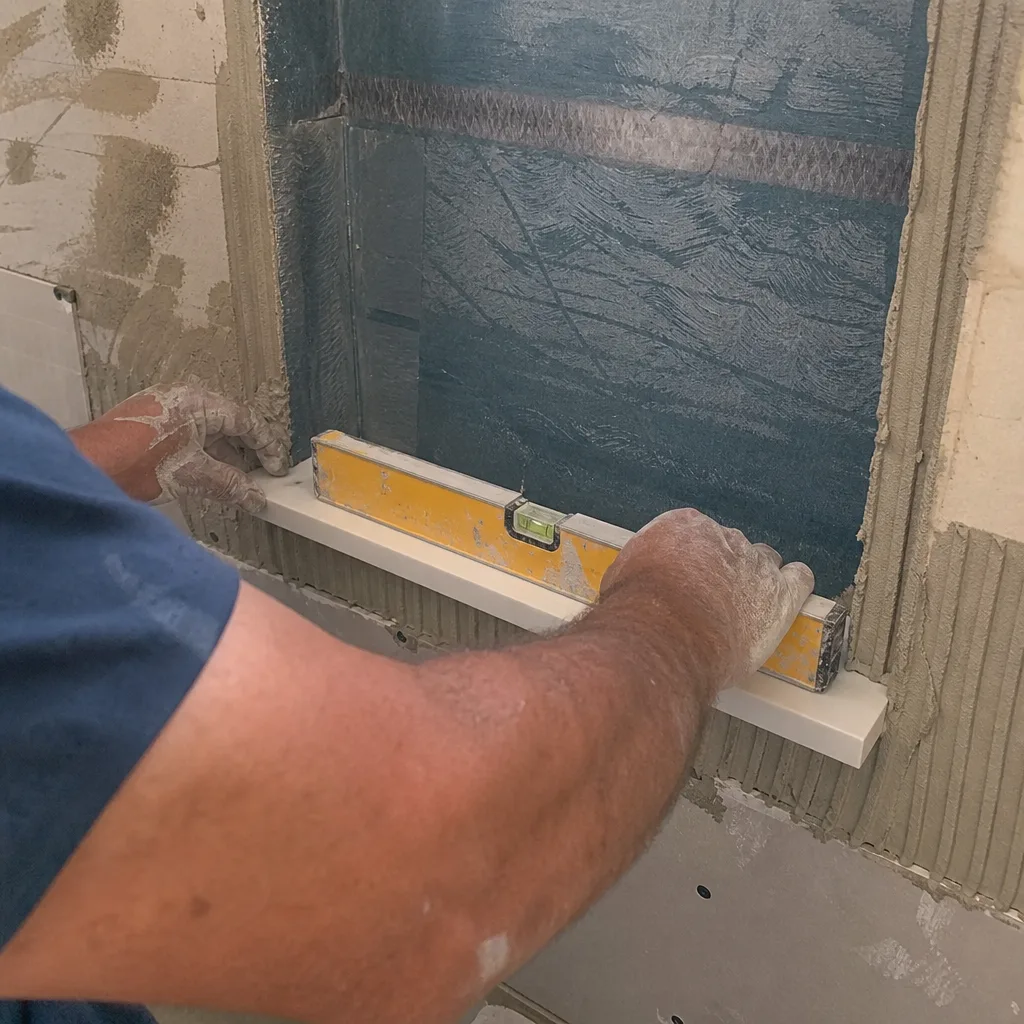
Documentation is where contractor discipline becomes visible to the homeowner after the crew leaves. The absence of proper documentation is itself a warning sign, often indicating that corners were cut where no one was watching.
Every residential construction project in Pomona should produce, at minimum:
- Written contract with fixed price, detailed scope, payment schedule, and start/completion dates
- Notice of Commencement or similar pre-construction filing, where required
- Permit application and issued permit, with posted placard
- Change orders, written, priced, and signed before any changed work proceeds
- Inspection records, signed by the city inspector, for each required inspection
- Lien releases from the general contractor and all subcontractors and material suppliers, concurrent with each payment
- Warranty documentation, specifying coverage period, exclusions, and claim procedure
The documented photo record is not legally required but is practically essential. Our standard deliverable includes dated photographs of conditions found, work in progress, and completed installations. For a roofing project in Pomona, this means images of the existing shingle layer count, the condition of the decking beneath, the installation of GAF or Owens Corning underlayment, and the finished ridge vent detail. For a paver installation, it means substrate preparation, edge restraint placement, and final compaction.
Homeowners who receive this documentation can verify that specified materials were installed, that code-required steps were performed, and that conditions hidden by finish surfaces were addressed. Those who receive only a final invoice have no such protection.
Pomona-Specific Risks: Climate, Code, and Market Conditions
Pomona’s construction environment presents specific risks that generic contractor advice misses. Understanding these local conditions helps homeowners evaluate whether a contractor has actual experience in this market or is simply working from a regional playbook.
Seismic requirements. Pomona lies within a seismically active zone, and the city’s building code adopts CalGreen and CBC seismic provisions that exceed some neighboring jurisdictions. Hold-downs, anchor bolts, and shear wall nailing patterns are not optional upgrades. They’re code minimums. A contractor who proposes “saving money” by omitting seismic hardware is proposing illegal construction.
Clay soils and foundation movement. The north Pomona hills and areas near Ganesha Park feature expansive clay soils that move seasonally. Foundation repairs and additions in these areas require geotechnical consideration that flatland contractors may not anticipate. We’ve seen slab-on-grade additions crack within two years because the original contractor ignored soil reports that specified pier and beam construction.
Heat and material selection. Pomona’s summer temperatures, regularly exceeding 95 degrees and occasionally reaching 105, stress exterior materials. Vinyl siding that performs adequately in coastal climates warps and fades here. Asphalt shingles with inadequate solar reflectance degrade prematurely. Our roofing specifications for Pomona include GAF Timberline HDZ or Owens Corning Duration shingles with appropriate Solar Reflectance Index ratings, not merely the cheapest available product.
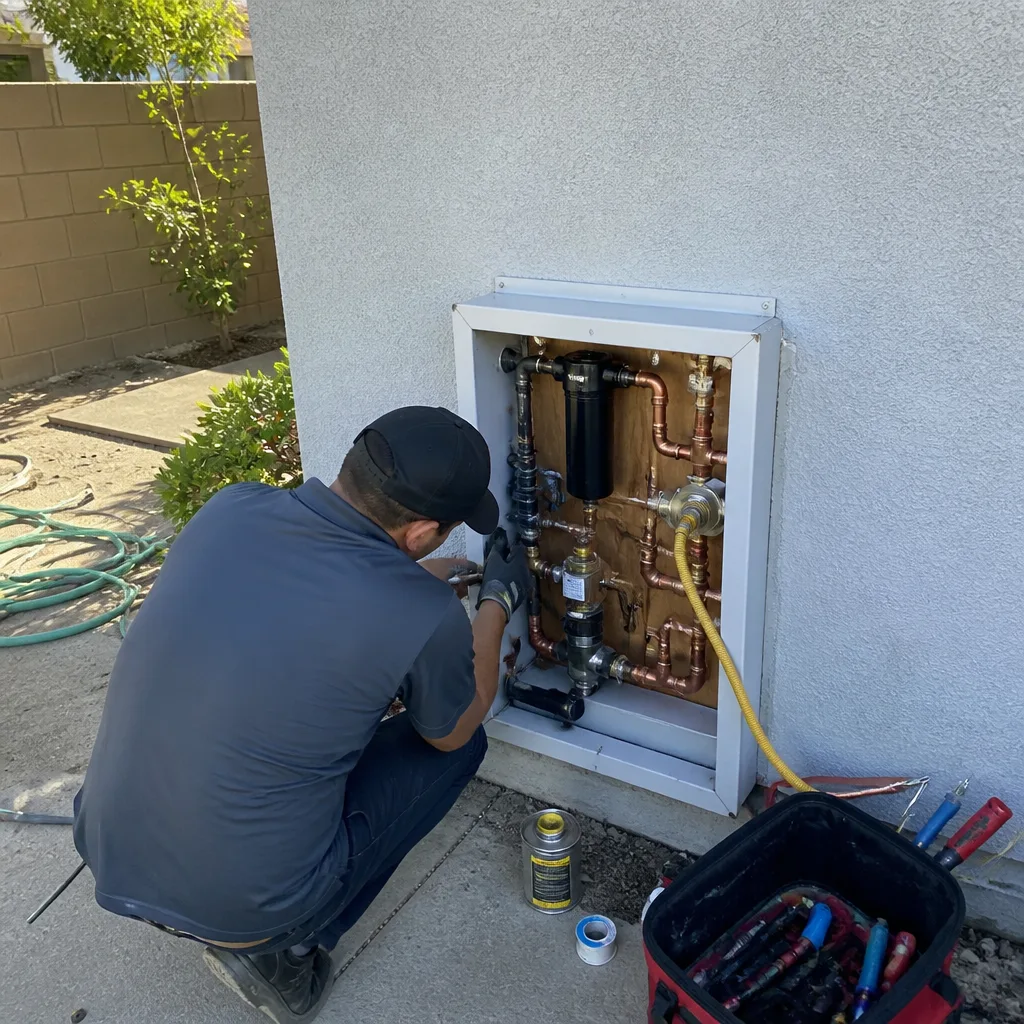
Water pressure and plumbing. Older Pomona neighborhoods, particularly those with original galvanized water service, experience pressure fluctuations and sediment accumulation that affect fixture performance. A bathroom remodel that installs Kohler or Toto fixtures without addressing supply line condition invites callbacks for flow and temperature inconsistency.
Market pressure and fly-by-night operators. Pomona’s housing market, with strong demand from Cal Poly Pomona faculty and staff and from commuters to Ontario and Anaheim, attracts contractors who follow volume rather than quality. The CSLB regularly issues warnings about unlicensed operators in San Bernardino and eastern Los Angeles County. Verification of license, bond, and insurance is not paranoia in this market. It’s due diligence.
Common Mistakes to Avoid
- Accepting a verbal estimate. California law requires a written contract for home improvement work exceeding $500. A contractor who won’t put a price in writing before work starts is either uncertain of their numbers or planning to adjust them later. Our written price before any work starts is not a preference. It’s Clause 1 of the Haven Standard.
- Paying for “materials” before they’re on your property. The 10% down payment rule exists because material prepayments are a common fraud vector. If materials aren’t delivered and inventoried on your site, you haven’t received value for payment.
- Assuming a contractor’s license is current. CSLB licenses expire, bonds lapse, and workers compensation policies cancel. Verify status the week before signing, not the week after.
- Ignoring lien risk. California mechanics lien law allows subcontractors and suppliers to lien your property if the general contractor doesn’t pay them, even if you paid the general in full. Concurrent lien releases with each payment protect against this.
- Skipping the final inspection. Some contractors suggest “saving time” by not calling for final inspection. This leaves permits open, creates resale disclosure obligations, and voids warranty protections tied to code compliance.
- Hiring based on lowest bid alone. In Pomona’s market, bids that are 20% or more below comparables typically indicate omitted scope, allowance-heavy pricing, or uninsured labor. The Free Second Opinion we offer exists to help homeowners understand what comparable scope actually costs.
- Neglecting to document pre-existing conditions. Photograph walls, floors, and adjacent properties before work begins. Disputes over damage attribution are common and difficult to resolve without contemporaneous evidence.
When to Call a Professional
Call a licensed contractor when your project involves structural modification, electrical or plumbing work, or any permit-required scope. These are not DIY opportunities. The risk of injury, code violation, and uninsured loss far exceeds any potential savings.
Call for a second opinion when a bid seems incomplete, when contract terms are unclear, or when a contractor pressures for immediate signature or payment. Time pressure is a classic tactic to prevent due diligence.
Rowan Construction Group Pomona offers free estimates in Pomona. Call (626) 606-1081 to schedule. We’ll deliver a written price with a defined scope before any work starts, and we’ll review any competitor’s written estimate line by line at no charge under our Free Second Opinion offer.
Frequently Asked Questions
California law limits the down payment to 10% of the contract price or $1,000, whichever is less. Any request for more before work begins violates Business and Professions Code Section 7159. Call (626) 606-1081 if you’ve been asked for more. We’ll review your situation at no charge.
A fixed price is a guaranteed total for defined scope. An allowance is an estimated placeholder that bills actual cost plus markup, with the homeowner bearing all risk of overrun. Fixed-price contracts protect your budget. Allowance-heavy contracts transfer risk to you. Rowan Construction Group quotes fixed prices built from actual material selections, not placeholders.
Request the permit application number, then verify it through the Pomona Building and Safety Division at (626) 606-1081 or their online portal. The permit placard must be posted visibly on the job site. “In process” for more than two weeks without specific explanation is a warning sign.
No. Starting work without a permit violates Pomona municipal code and California state law. It exposes you to stop-work orders, fines, insurance denial, and resale complications. No legitimate contractor needs to begin before permit issuance.
Electrical and plumbing work in California must be performed by appropriately licensed contractors. A general contractor who cannot name their subs at contract signing has not completed procurement and may assign unlicensed or uninsured workers. This creates liability exposure and schedule risk. Verify C-10 and C-36 license numbers before signing.
You should receive: written contract with fixed price and scope; permit and inspection records; signed change orders for any modification; lien releases concurrent with each payment; and warranty documentation. Rowan Construction Group adds a documented photo record of every visit as a standard deliverable, not an upgrade.
The Bottom Line
Construction warning signs are rarely dramatic. They’re small deviations from documented standard practice that accumulate into project failure. The Pomona homeowner who checks contract language for allowance-heavy pricing, verifies permit status through the city, structures payments around milestones rather than dates, and demands named, licensed subcontractors before signing eliminates the majority of contractor risk before a tool is lifted. Documentation discipline, not contractor charisma, protects your investment. Rowan Construction Group has built 4,000-plus projects since 2007 on this principle: written price, written scope, signed change orders, and a documented record you can verify.
Written by Grant Rowan, Owner at Rowan Construction Group Pomona, serving Pomona since 2007.