
Last updated September 24, 2026
Free written scope consultation - allowances, timeline, and change-order rules on paper before a single trade is scheduled
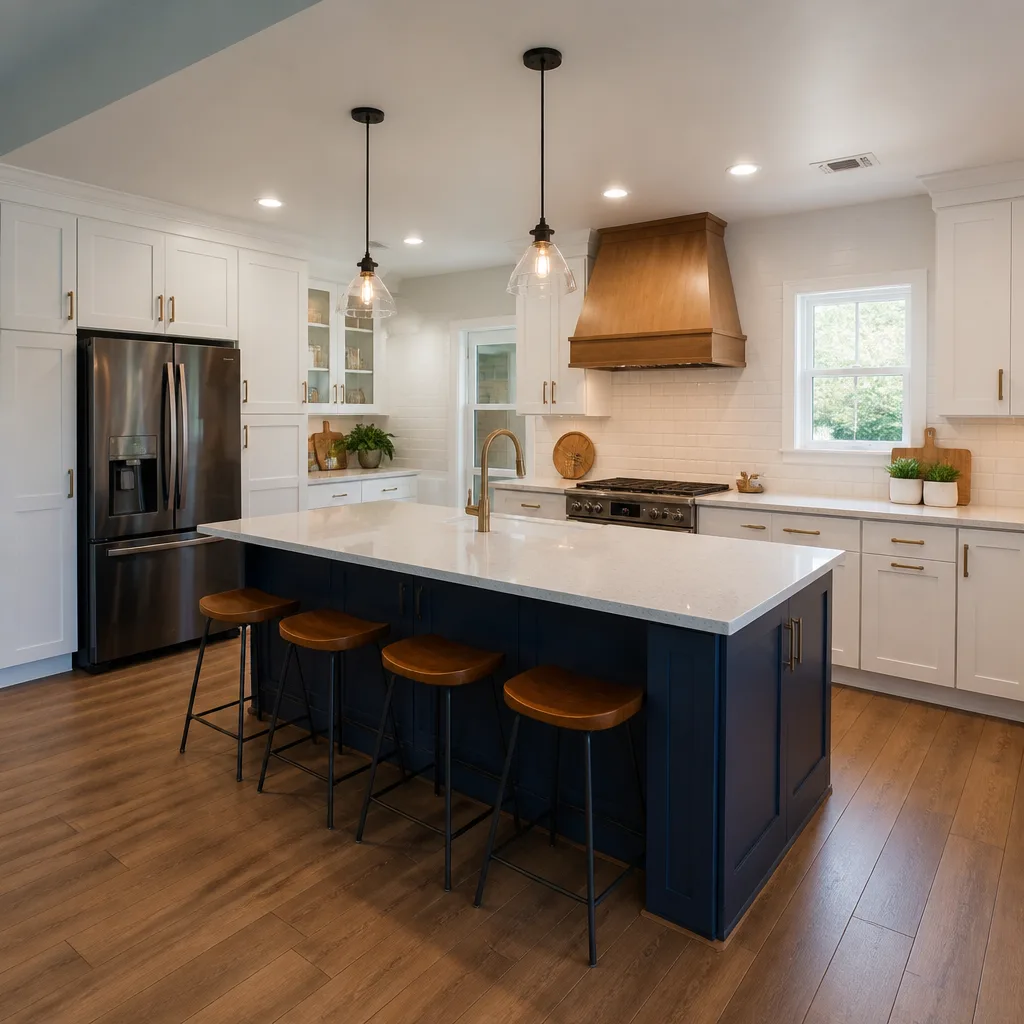
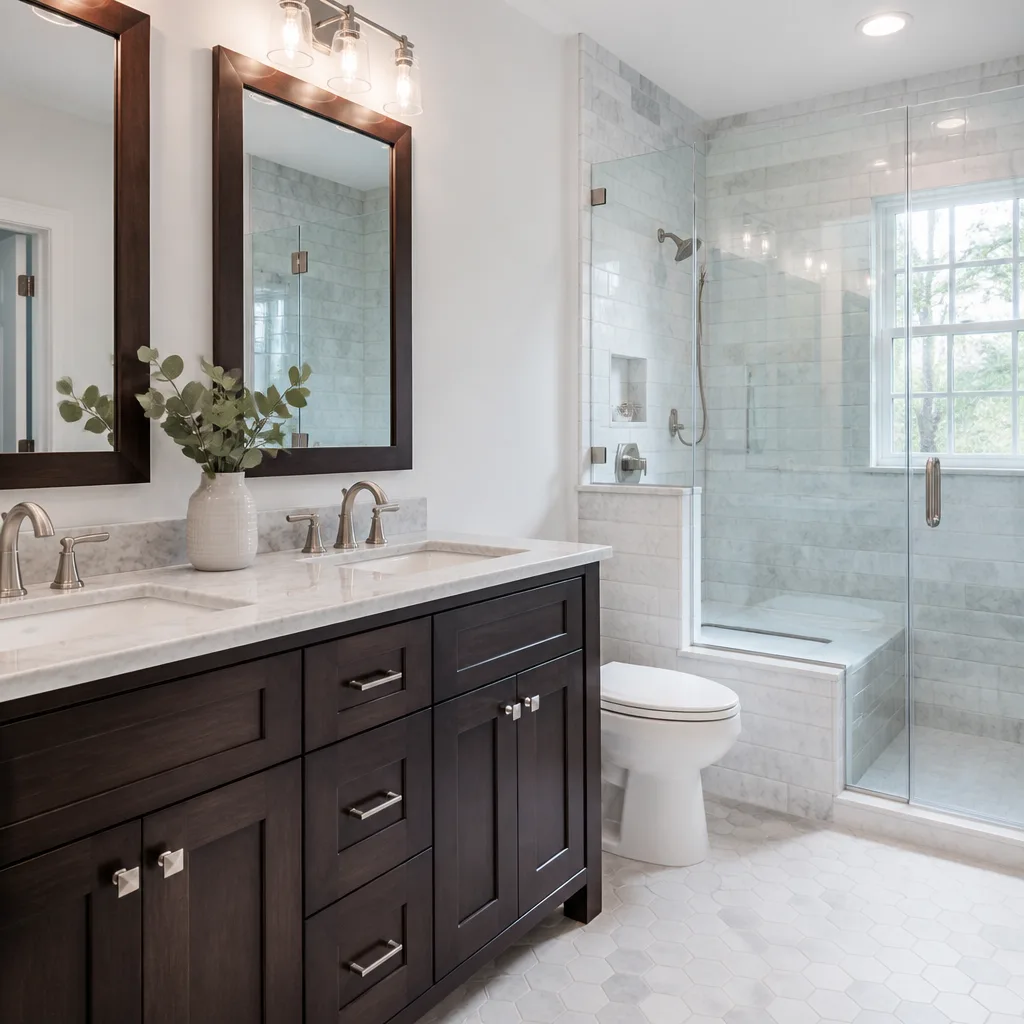
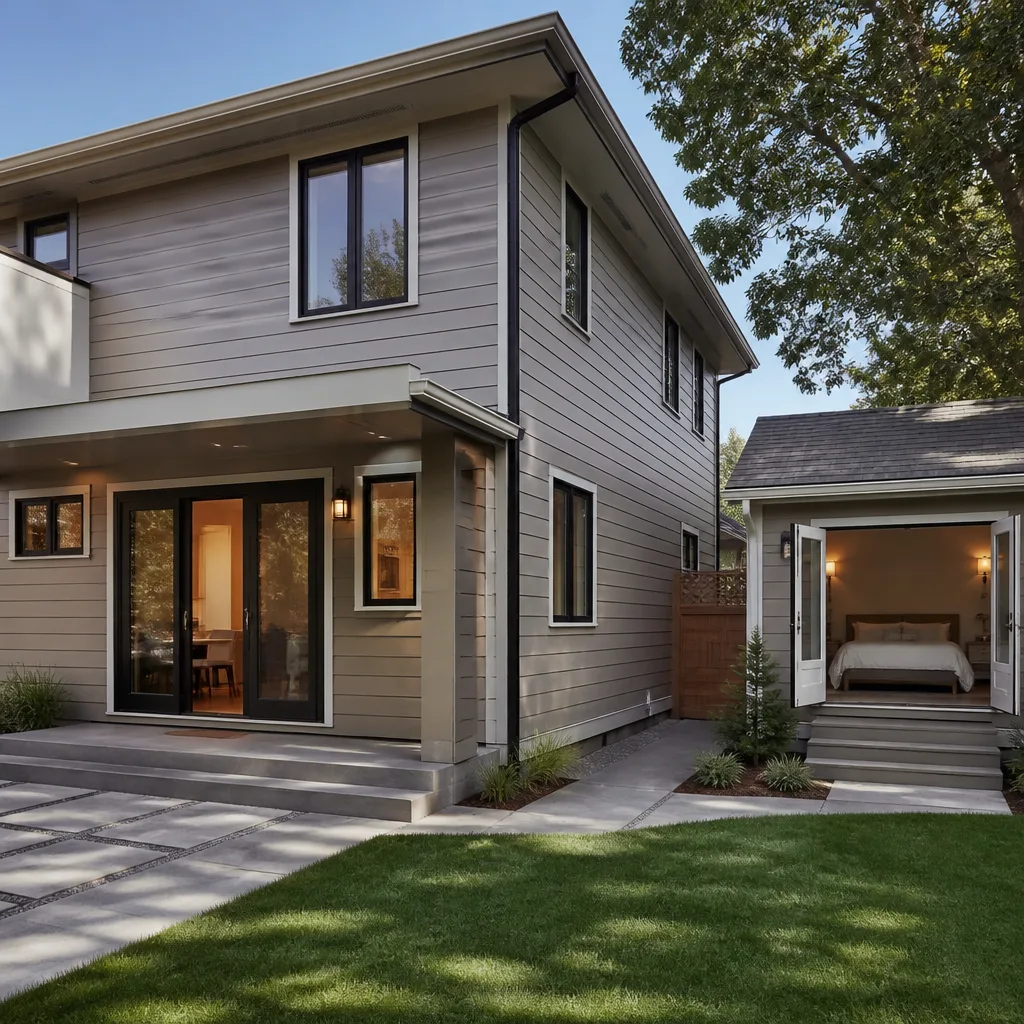

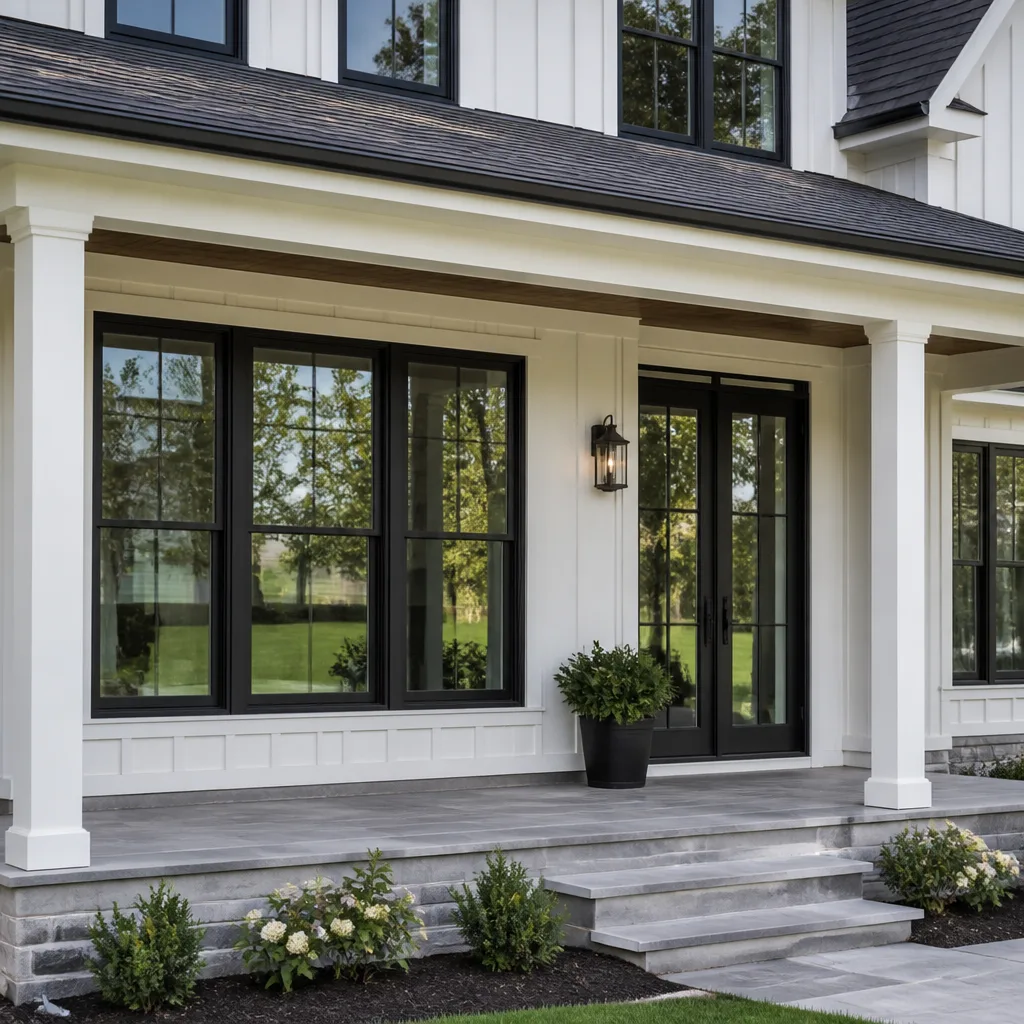
 Before
 After
After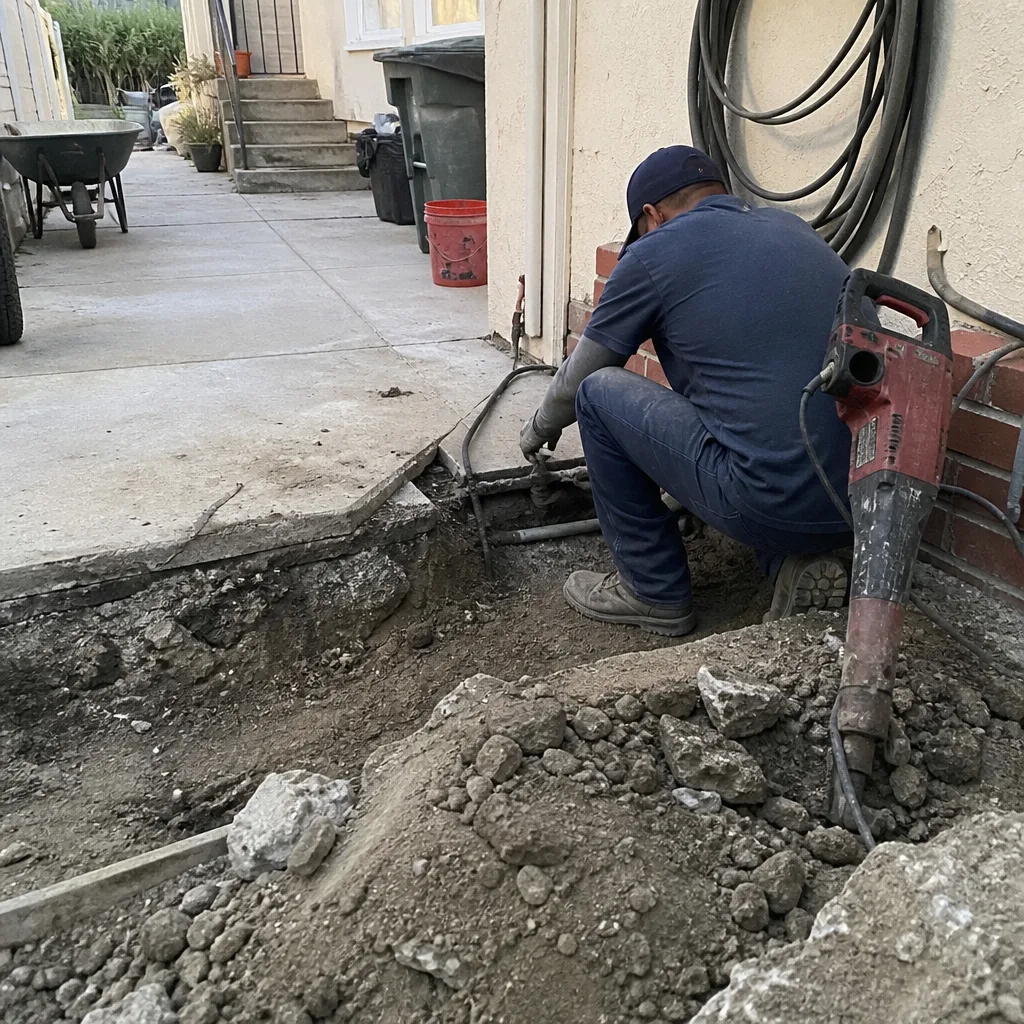 Before
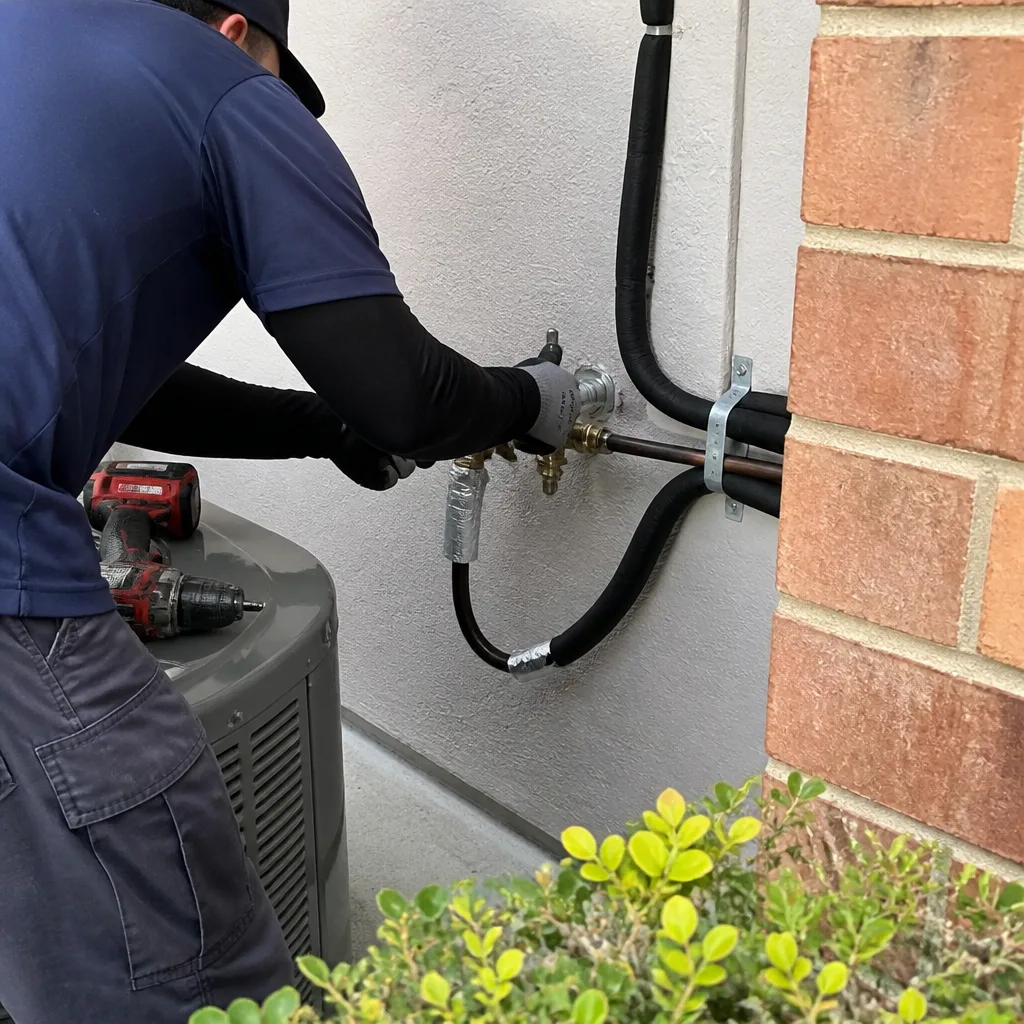 After
After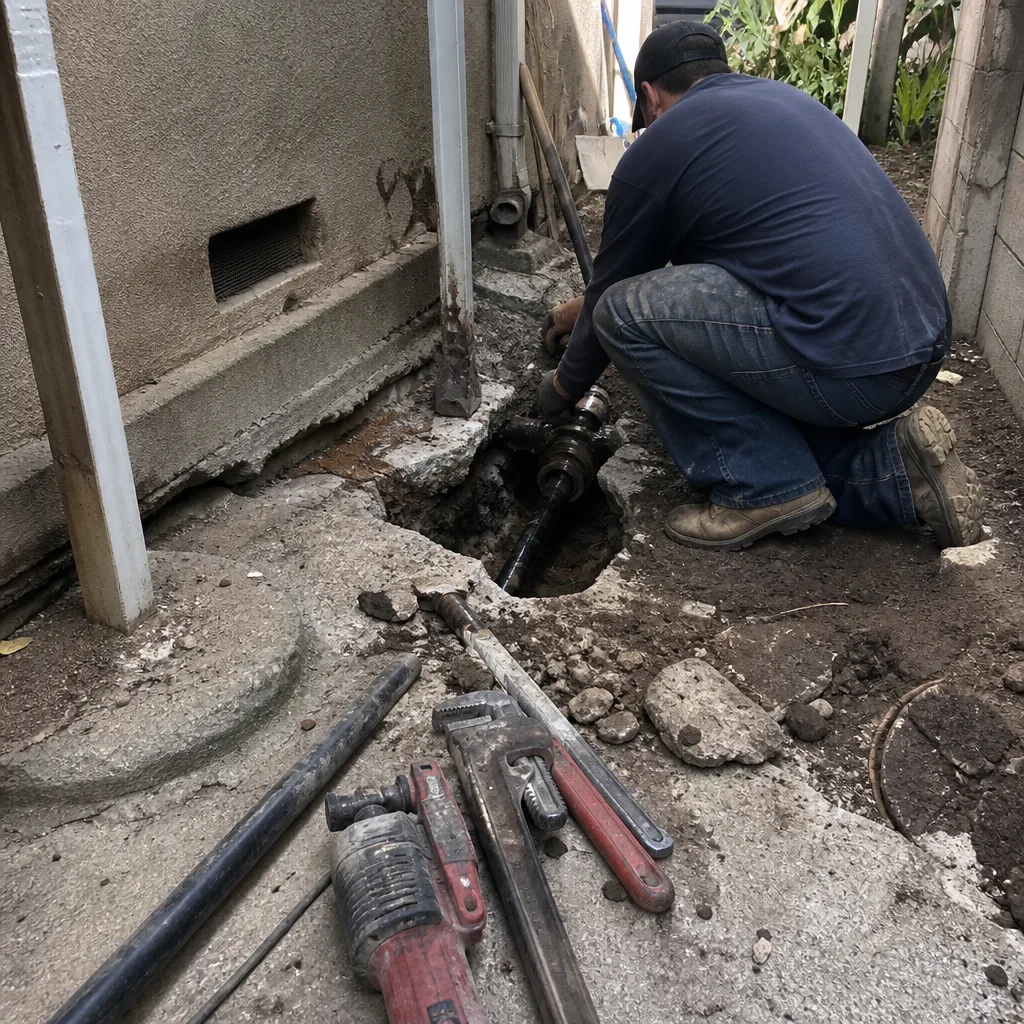 Before
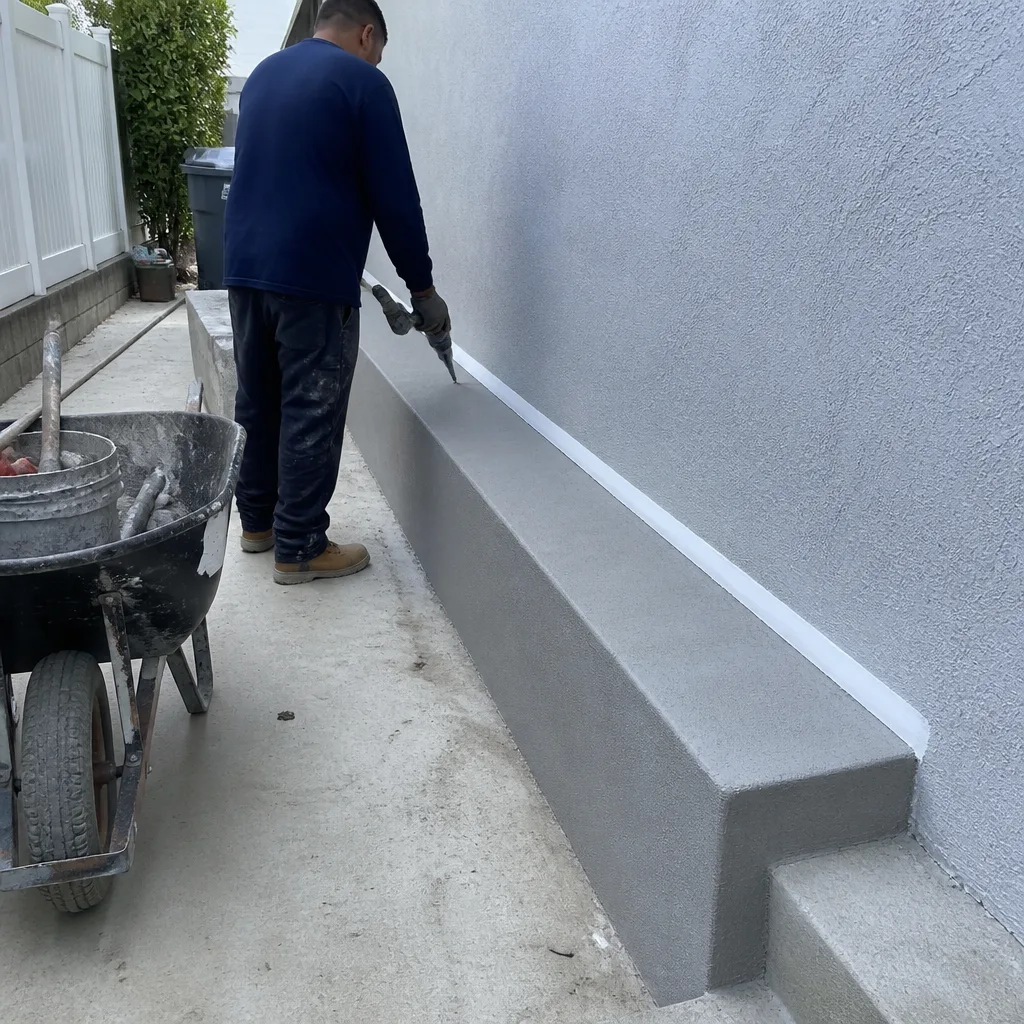 After
AfterDIY vs Professional Construction: The Pomona Homeowner’s Decision Guide
In California, an owner-builder who pulls their own permit and completes structural, electrical, or plumbing work is required to disclose that fact when selling the property for up to five years after completion. That disclosure, filed on the standard Transfer Disclosure Statement, has measurably affected sale price and buyer financing terms in Pomona’s market. This guide draws the DIY-versus-hire line based on permit authority, insurance liability, and resale disclosure requirements that no YouTube tutorial will mention, not on how skilled you are with a circular saw.
Quick Answer
Most Pomona homeowners can safely handle interior painting, landscaping, cabinet hardware, and floating flooring themselves. Projects requiring a licensed contractor to pull the permit, including electrical panel work, load-bearing modifications, roofing, and any job needing a wet-stamped engineering drawing, should be hired out. The dividing line is legal and financial, not about difficulty.
Table of Contents
- California Owner-Builder Rules: What You Can and Cannot Self-Permit
- The Resale Disclosure: Five Years of Financial Shadow
- The True Cost: DIY Savings vs. Hidden Costs
- Projects That Stay DIY
- Projects That Require a Licensed Contractor
- Insurance and Liability: How Botched DIY Affects Your Policy
- Permits and Inspections in Pomona: What to Expect
- When to Call a Professional
 Before
 After
AfterCalifornia Owner-Builder Rules: What You Can and Cannot Self-Permit
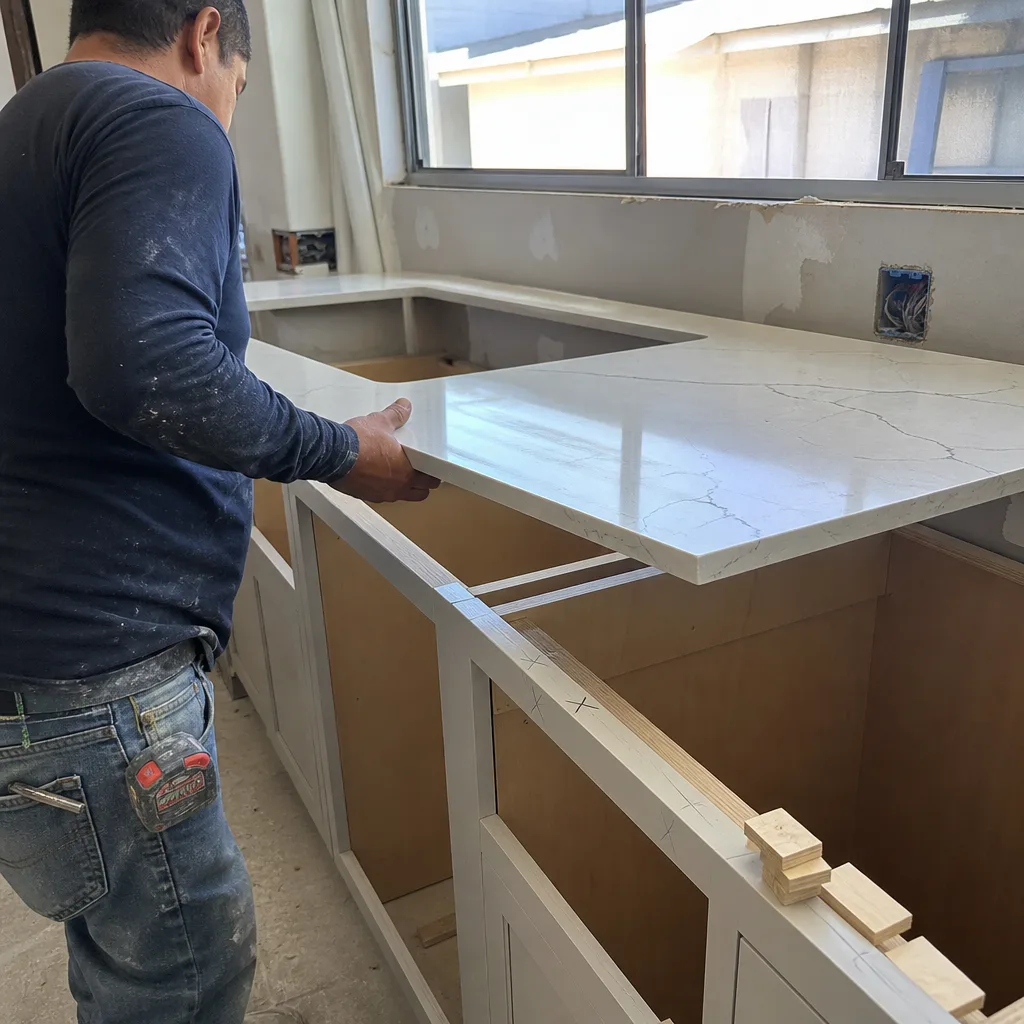
California Business and Professions Code Section 7044 allows homeowners to act as their own contractor on residential projects, but the exemption is narrower than most Pomona homeowners assume. The owner-builder exemption applies only to structures intended for the owner’s personal use, not for sale or lease within one year of completion. More critically, it does not exempt the owner from any licensing, permitting, or inspection requirement that would apply to a licensed contractor.
Here’s where the line sits in practice:
- Work you can legally self-permit and self-perform without a contractor’s license: Interior cosmetic work (painting, trim, non-structural cabinetry), landscaping under 30 inches in height, and flooring that does not alter subfloor structure. These typically require no permit in Pomona or fall under an over-the-counter minor works permit.
- Work you can self-perform but must still permit: Window and door replacement in existing openings, water heater replacement of like-for-like capacity, and electrical fixture swaps where no new circuit is added. The owner can pull the permit, but the work must still pass inspection to the same standard as a licensed contractor’s.
- Work that requires a licensed contractor to pull the permit: Any structural modification (removing or altering load-bearing walls), electrical panel upgrades or new circuit installation, plumbing beyond fixture replacement, roofing on structures over one story, and any project requiring a wet-stamped engineering drawing. The owner-builder exemption does not override the contractor licensing requirement for these categories.
The California Contractors State License Board (CSLB) actively investigates complaints where unlicensed work is discovered, and Pomona’s building department cross-references permit holders against CSLB records during plan check. We’ve seen homeowners in the Lincoln Park and Mayfair neighborhoods learn this the hard way when a routine resale inspection revealed unpermitted electrical work that triggered a full compliance order.
One detail competitors rarely mention: the owner-builder exemption is personal to the owner at the time of construction. If you sell the property, the exemption does not transfer. The new owner inherits any unpermitted or non-compliant work without the legal shield of having been the original owner-builder.
The Resale Disclosure: Five Years of Financial Shadow
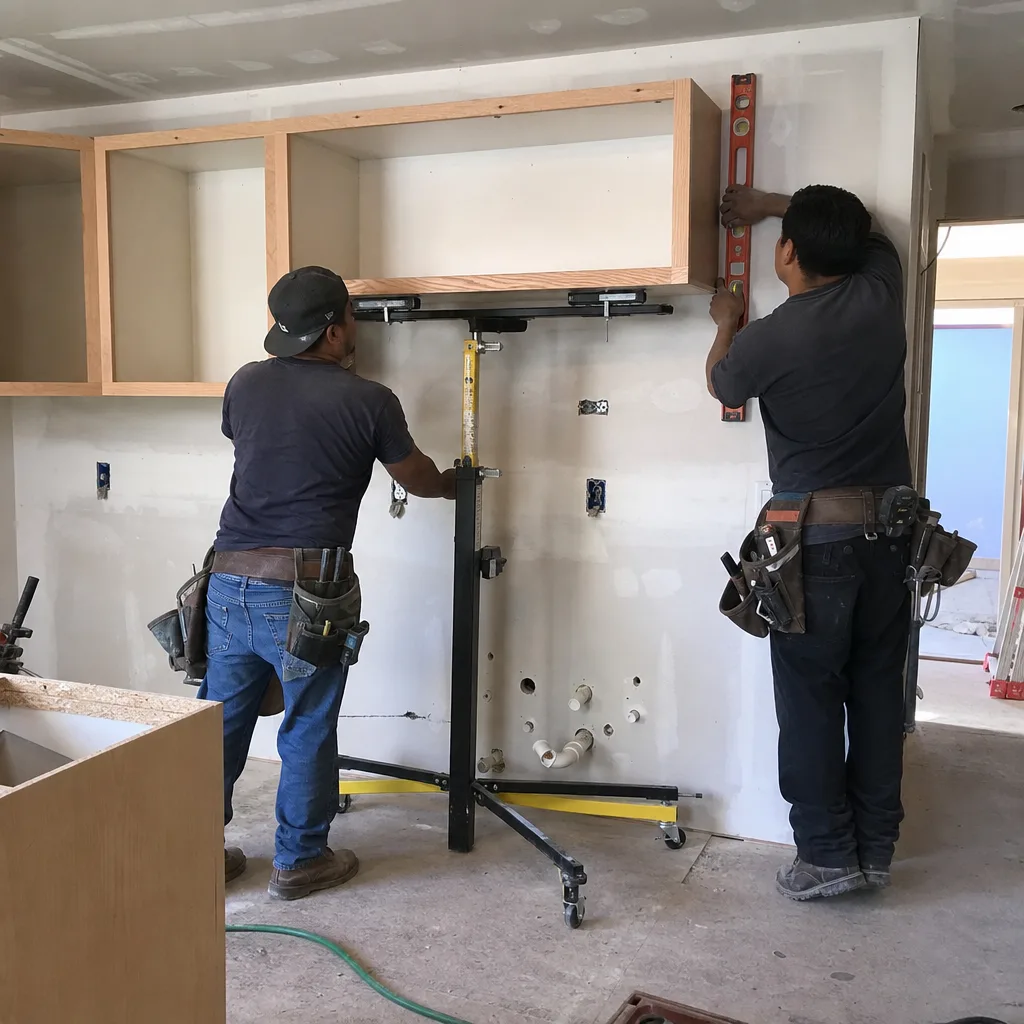
California Civil Code Section 1102.6 requires disclosure of any owner-builder work performed within the past five years on the Transfer Disclosure Statement (TDS), the standard form every seller completes. This is not a minor checkbox. The disclosure must specify the type of work, whether permits were obtained, and whether final inspections were passed.
In Pomona’s market, this disclosure has concrete financial consequences:
- Buyer financing complications: Conventional lenders in Los Angeles County increasingly require evidence of permit compliance for any structural, electrical, or plumbing work disclosed on the TDS. FHA and VA loans are stricter still. A Pomona seller in 2023 with owner-builder kitchen work and permitted but not final-inspected electrical saw their buyer’s loan contingency extended six weeks while the city re-inspected, nearly collapsing the sale.
- Appraisal adjustments: Appraisers working Fannie Mae and Freddie Mac guidelines must note unpermitted or owner-builder work in the appraisal report. In Pomona’s competitive entry-level market, where homes in the Ganesha Hills and Phillips Ranch areas often sell to first-time buyers with minimal down payments, any appraisal flag can force a price reduction or kill the deal.
- Extended time on market: Properties with owner-builder disclosures sit longer. Buyer’s agents in the Pomona Valley Association of Realtors report advising clients to either discount offers significantly or require pre-closing permit verification when a TDS shows recent owner-builder structural or systems work.
- Insurance transfer issues: Some carriers will not bind a new policy until owner-builder electrical or plumbing work is verified by a licensed contractor, creating a closing bottleneck.
The five-year clock runs from the date of final inspection, or from the date of completion if no permit was pulled. For work done in 2024, the disclosure obligation extends to 2029. In a market where Pomona homeowners average 7-10 years of tenure, this means most owner-builder work will be disclosed at least once.
We’ve reviewed competitor estimates for Pomona homeowners where the “savings” of DIY were calculated against labor costs alone, with no allowance for this resale friction. That’s not an honest comparison.
The True Cost: DIY Savings vs. Hidden Costs
The standard DIY calculation, labor equals savings, fails in California because it omits four categories that routinely erase or reverse the apparent advantage.
Permit Complexity and Time Value
A homeowner pulling their own permit in Pomona must navigate the city’s Community Development Department, which requires in-person plan submission for most projects beyond minor works. Plan check times for residential additions or structural modifications currently run 4-6 weeks. The homeowner must be available for corrections, resubmissions, and the scheduling of inspections, which are offered on specific days with two-hour windows. For a working homeowner in Pomona, this time has a direct cost, even if not paid to a contractor.
Tool Rental and Acquisition
A professional kitchen remodel requires a tile wet saw ($65/day rental), pneumatic flooring nailer ($45/day), and often a dumpster permit from the city ($175 for 30 days in Pomona). A bathroom remodel with tub replacement needs a reciprocating saw, mortar mixing equipment, and specialty plumbing wrenches. These costs accumulate across a multi-week project. Contractors amortize tool costs across hundreds of jobs; the homeowner absorbs them on one.
Material Waste Rates
Professional contractors in Pomona typically order materials with 8-12% waste allowance for standard layouts, 15-20% for complex spaces. Homeowners without takeoff experience routinely order 25-35% excess, or conversely underestimate and face multiple delivery fees. At current lumber and tile pricing, this variance alone can equal several days of professional labor.
The Time Value of a Homeowner’s Hours
A typical kitchen remodeling in Pomona project, professionally managed, runs 4-6 weeks from demolition to final inspection. The same scope, performed by a homeowner with limited weekday availability, often extends to 14-20 weeks. During that period, the kitchen is non-functional. The cost of takeout, temporary housing, or simply the friction of an unfinished home is rarely entered into the DIY ledger.
| Cost Category | DIY Approach | Professional (Rowan) |
|---|---|---|
| Labor | $0 (your time) | Included in flat written price |
| Permit processing | 15-25 hours personal time | Handled by project manager |
| Tool rental/purchase | $400-$1,200 typical | Included |
| Material waste | 20-35% common | 10-15% with trade pricing |
| Resale disclosure risk | 5-year TDS obligation | Standard licensed work, no special disclosure |
| Project duration | 14-20 weeks (part-time) | 4-6 weeks |
Under Clause 1 of the Haven Standard, the price we write is the price you pay, with no change order processed without your signature. That predictability has value that the DIY spreadsheet rarely captures.
Projects That Stay DIY
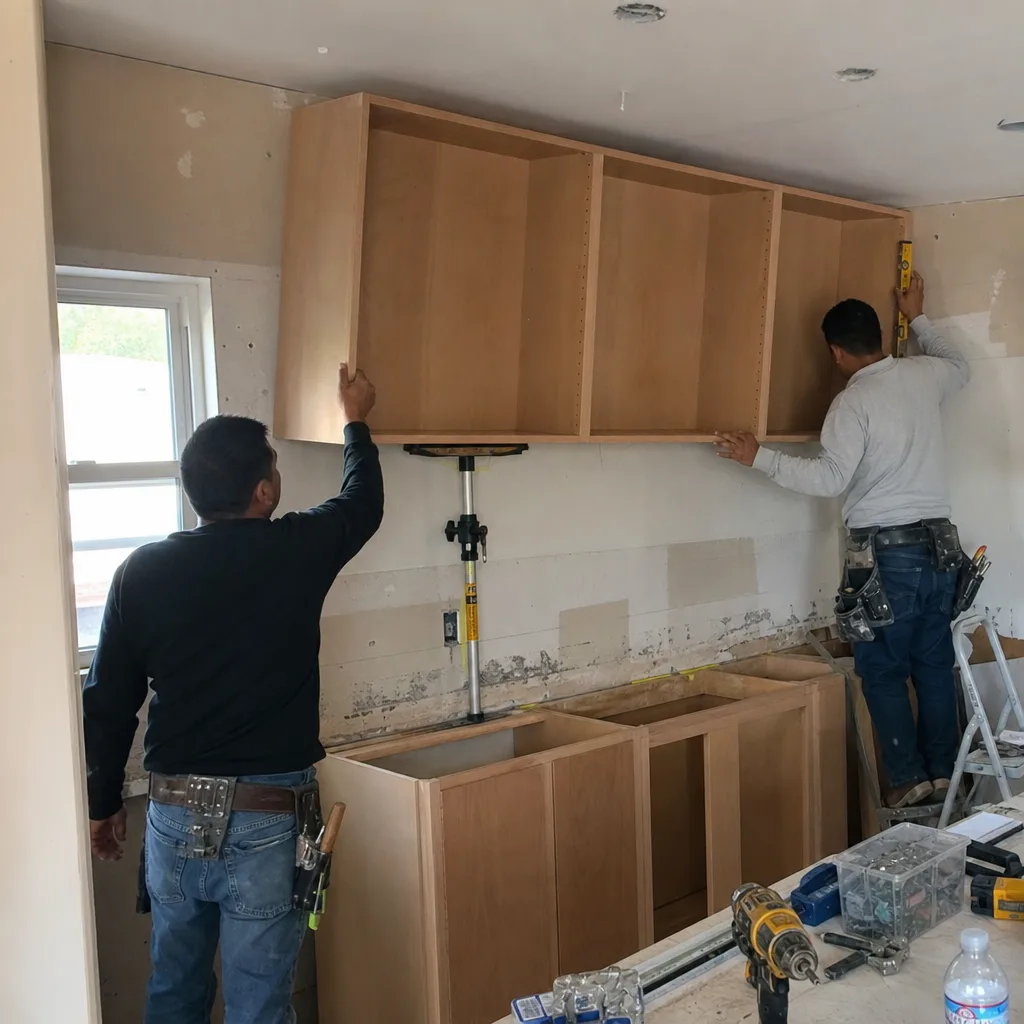
Some projects fall cleanly on the homeowner side of the line. These share three characteristics: no permit required, no structural or systems interaction, and limited financial downside if execution is imperfect.
- Interior painting: Walls and ceilings in existing colors or simple color changes require no permit, carry no resale disclosure obligation, and are forgiving of minor imperfections. Use quality paint (we’ve had good results with Benjamin Moore Regal and Sherwin-Williams Duration on Pomona’s older plaster walls) and proper prep. The risk ceiling is a redo, not a code violation.
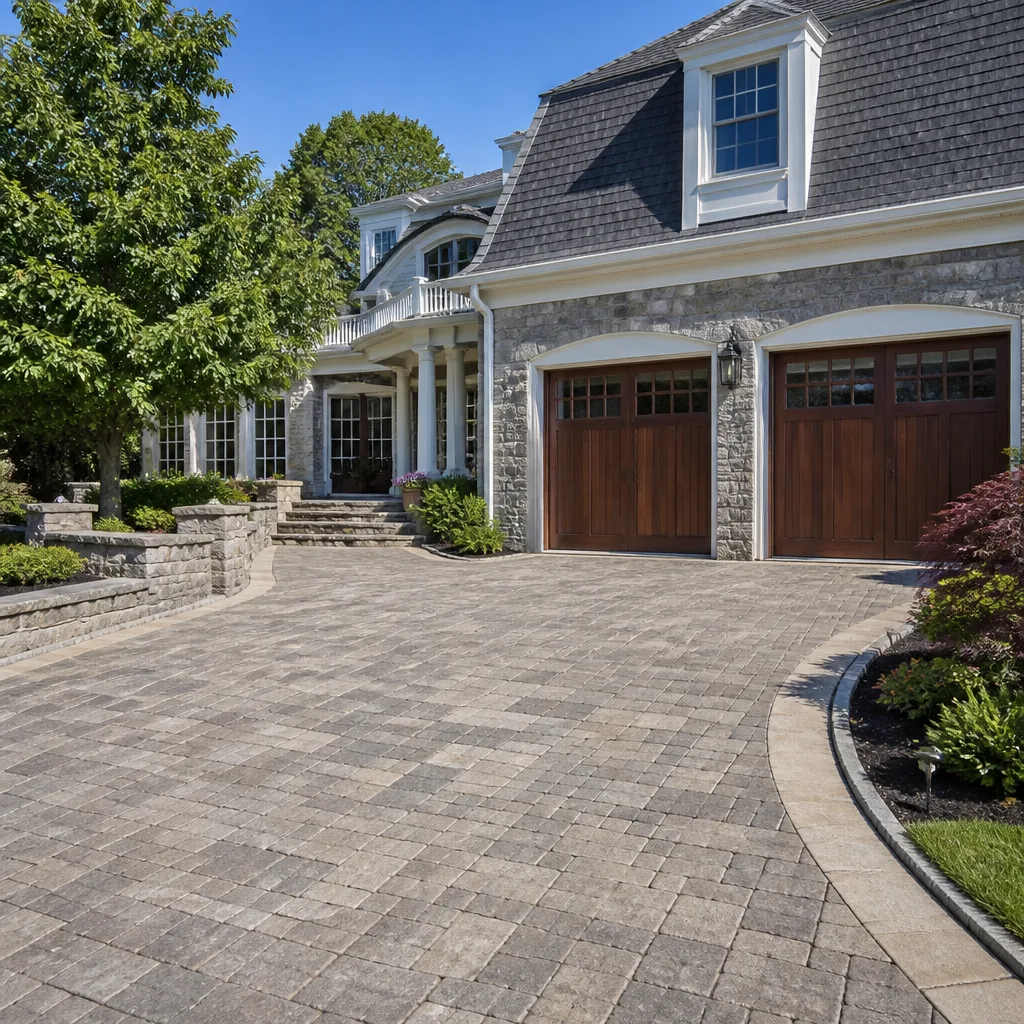
- Landscaping under 30 inches: Planter beds, decorative gravel, and non-retaining hardscape below this height need no permit in Pomona. Belgard and Techo-Bloc pavers, properly bedded on compacted base, can be homeowner-installed for patios and walkways. The key is adequate excavation and compaction, typically 6-8 inches of prepared base for pedestrian use.
- Cabinet hardware and accessories: Pulls, knobs, and interior organizers in existing cabinets are pure hardware swaps. No permit, no structural interaction, immediate reversal possible.
- Floating flooring in non-wet areas: Luxury vinyl plank (LVP) and laminate with click-lock installation over existing subfloor, in bedrooms and living areas, is within most homeowners’ capability. Avoid bathrooms, laundry rooms, and kitchens where moisture exposure demands proper sealing and often subfloor preparation that interacts with plumbing.
- Decorative trim and millwork: Crown molding, baseboards, and wainscoting in non-structural applications. The work is visible and demands patience, but errors are cosmetic and correctable.
Even here, we recommend caution with older Pomona homes, particularly in the historic districts north of Holt Avenue. Plaster walls, lead paint, and asbestos-containing materials in pre-1978 construction introduce hazards that convert simple projects into regulated abatement work. Testing is inexpensive; assumptions are costly.
Projects That Require a Licensed Contractor
These projects require a CSLB-licensed contractor to pull the permit and perform or supervise the work. The owner-builder exemption does not apply, and attempting DIY here creates legal exposure, insurance voidance, and the full five-year resale disclosure burden.
Electrical Panel Work and New Circuits
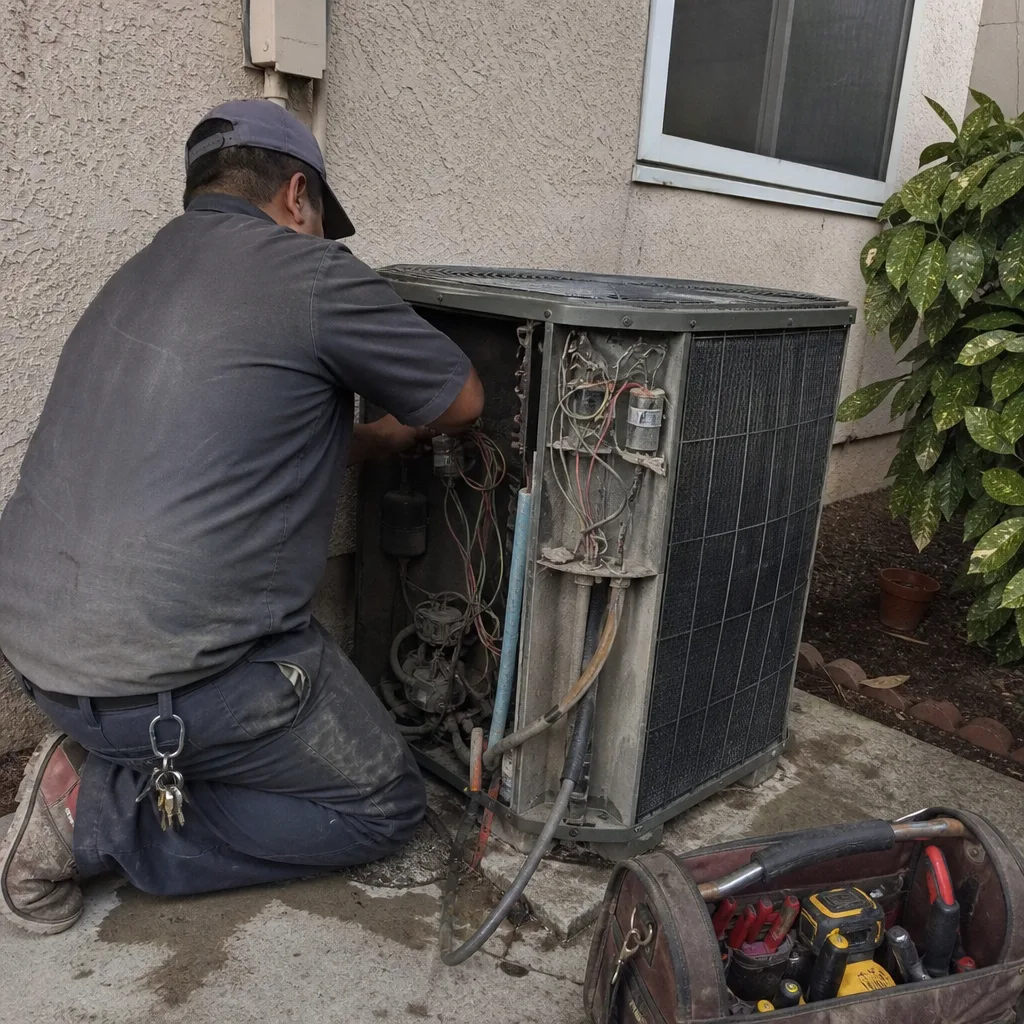
Any work beyond like-for-like fixture replacement requires an electrician. Panel upgrades, new circuit runs, and GFCI/AFCI modifications in older Pomona homes (common in the 1940s-1960s stock) must meet current NEC code and be permitted. The fire risk of improper electrical work is severe, and homeowner’s insurance policies uniformly exclude damage from unpermitted electrical work.
Load-Bearing Modifications
Removing or altering any wall that supports roof, floor, or ceiling loads requires structural engineering and a permitted contractor. Pomona’s seismic zone (Category D per ASCE 7) means lateral load paths are critical. A wet-stamped engineering drawing, prepared by a California-licensed structural engineer, is required for permit. We’ve replaced headers and posts in Pomona homes where a homeowner’s “simple opening” created a sagging second floor and $8,000 in remediation.
Roofing
California requires a C-39 Roofing Contractor license for any roofing project over $500. In Pomona’s climate, with summer UV exposure exceeding 280 days annually and periodic Santa Ana wind events, proper underlayment, fastening patterns, and valley flashing are critical. Roofing in Pomona with Owens Corning Duration or CertainTeed Landmark shingles, properly installed to manufacturer specifications, carries a system warranty that DIY cannot replicate. Fall risk on even single-story roofs is significant, and we include this safety caveat: roof work at height requires fall protection equipment and training; without both, hire a professional.
Plumbing Beyond Fixture Replacement
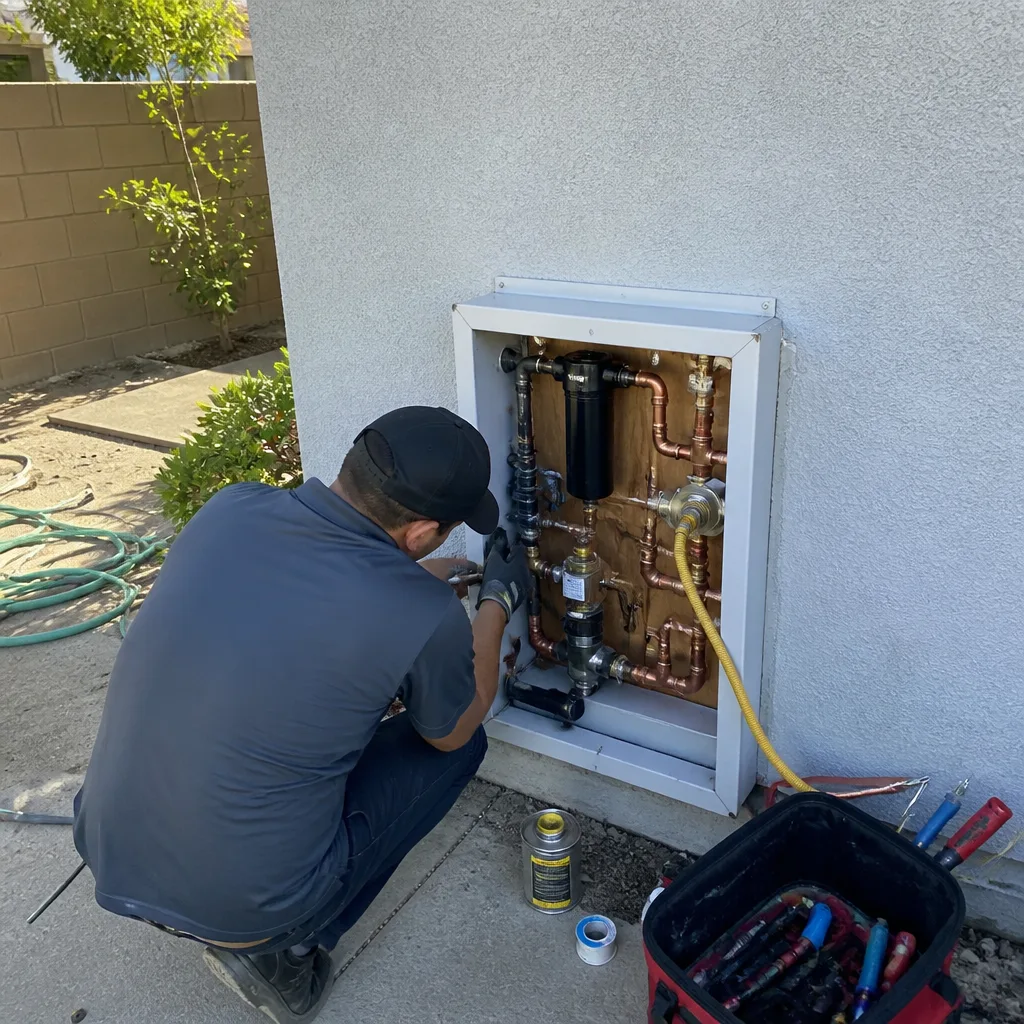
Water heater replacement of greater capacity, repiping, sewer line work, and any gas line modification require a licensed plumber. Pomona’s older galvanized and Orangeburg pipe stock, common in pre-1970 neighborhoods, presents complications that exceed homeowner scope.
Any Project Requiring a Wet-Stamped Engineering Drawing
ADUs, room additions, second-story expansions, and retaining walls over 30 inches all require engineered plans. The Rowan Construction Group Pomona home additions process includes structural engineering as a standard step, not an add-on, because California’s energy code (Title 24), seismic requirements, and local Pomona zoning overlays make owner-engineering functionally impossible.
Insurance and Liability: How Botched DIY Affects Your Policy
Homeowner’s insurance policies in California contain specific exclusions for damage arising from work performed without required permits or by unlicensed contractors, including the homeowner themselves. The language to review is typically found in the “Neglect” or “Intentional Loss” exclusions, and in endorsements related to “Work Performed by Unlicensed Persons.”
Specific scenarios we’ve encountered in Pomona:
- Electrical fire following owner-builder panel work: The carrier denied the $340,000 structure claim, citing the unpermitted nature of the work and the absence of a licensed electrician’s involvement. The homeowner retained counsel; the case settled for 40 cents on the dollar after two years.
- Water damage from improperly flashed DIY roofing: The policy covered the interior damage but subrogated against the homeowner for the roof repair, treating it as a maintenance issue excluded under the policy. The homeowner paid $12,000 out of pocket for what a permitted roofer would have warranted.
- Slip-and-fall injury to a “helper” on a DIY project: Homeowner’s liability coverage was invoked, but the carrier reserved rights due to the unlicensed construction activity. The helper, uninsured and unlicensed, was not covered by workers’ compensation, exposing the homeowner to direct personal liability.
The critical policy review step: before beginning any structural or systems work, request a copy of your policy’s “permitted work” and “licensed contractor” provisions. If the language is unclear, get written confirmation from your agent. The five minutes of documentation can determine whether a future claim is paid or denied.
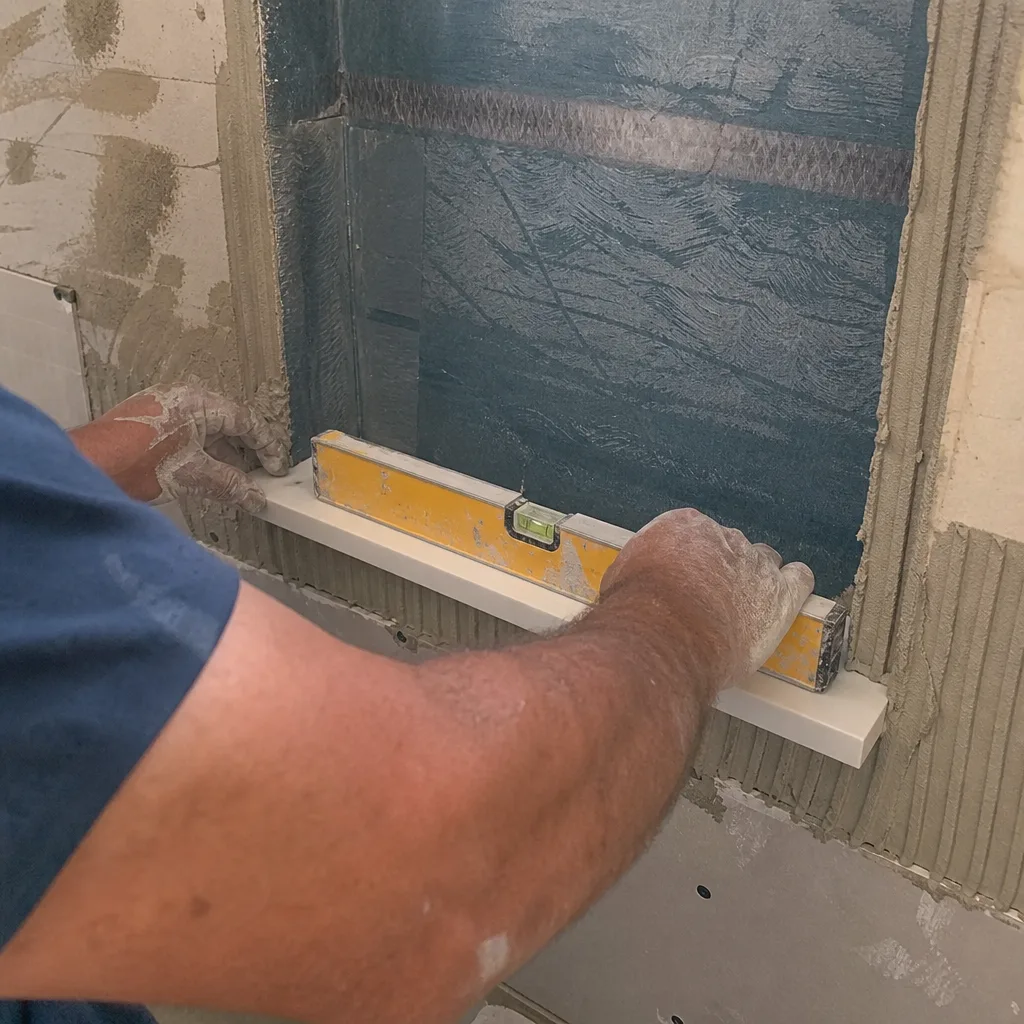
For bathroom remodeling in Pomona involving waterproofing, tile shower assemblies, and plumbing rough-in, the intersection of moisture damage risk and insurance exclusion makes professional execution the lower-cost path even before labor savings are calculated.
Permits and Inspections in Pomona: What to Expect
Pomona’s Community Development Department processes residential permits through a tiered system that affects both DIY and professional projects. Understanding the flow helps explain why professional project management saves time.
- Over-the-counter permits: Minor works permits for water heater replacement (like-for-like), electrical service upgrades to 200A in existing single-family, and window replacement in existing openings. Available same-day with complete application and plans. Homeowner can pull these with valid ID and property ownership documentation.
- Plan check required: Kitchen and bathroom remodels with layout changes, room additions, ADUs, roofing on structures over one story, and any structural modification. Submittal requires scaled plans, and plan check runs 4-6 weeks for residential projects. Corrections require resubmittal and additional queue time.
- Inspection scheduling: Pomona offers inspections by appointment, typically with morning or afternoon windows. Rough inspections (framing, electrical, plumbing) must pass before insulation and finish work proceed. Final inspection triggers certificate of occupancy or completion, which is the documentation that satisfies resale disclosure requirements.
Pomona participates in the Los Angeles County Regional Planning system for certain zoning verifications, which can add a coordination step for ADUs and additions near property lines. Professional contractors with established department relationships navigate this more efficiently than homeowners learning the system for the first time.
The city’s current fee schedule for residential construction permits runs approximately 2-3% of project valuation for plan check and permit issuance, with separate inspection fees. These are identical whether the permit is pulled by owner or contractor, but the professional absorbs the administrative time in their project management fee.
When to Call a Professional
Call a licensed contractor when the project touches structure, electrical, plumbing, or roofing; when a permit requires plan check; when your homeowner’s policy conditions coverage on licensed work; or when the five-year resale disclosure obligation would affect your sale timeline. These are not judgments about your skill. They are assessments of legal and financial risk that DIY cannot mitigate.
Rowan Construction Group Pomona offers free estimates in Pomona - call (626) 606-1081. Every estimate is a flat written price with a written scope, delivered before any work starts, under Clause 1 of the Haven Standard. We also provide a Free Second Opinion on any written estimate from another contractor, reviewed line by line at no charge.
Common Mistakes to Avoid
- Assuming the owner-builder exemption covers all residential work. It does not. Structural, electrical, plumbing, and roofing above single-story all require licensed contractors regardless of who owns the property.
- Pulling a permit without understanding inspection sequencing. Pomona requires rough inspections before finish work. Drywalling over uninspected electrical or plumbing triggers mandatory removal and re-inspection, doubling project time.
- Skipping permit entirely for “minor” structural work. A Pomona homeowner in the Westmont area removed a wall they believed non-load-bearing. It was. The resulting floor sag required $14,000 in engineered remediation, and the unpermitted work was flagged in the eventual sale, forcing a price reduction.
- Hiring unlicensed “helpers” to assist DIY work. California law prohibits unlicensed persons from performing work that requires a contractor’s license, even under an owner-builder permit. The homeowner assumes full liability for injuries and defects.
- Neglecting to review insurance policy language before starting systems work. The 10-minute phone call to your agent is trivial compared to a denied claim.
- Calculating DIY savings without time value. A 20-week kitchen project, evenings and weekends, has real costs in family friction, takeout expense, and deferred use that the labor-rate comparison ignores.
- Overestimating resale market tolerance for owner-builder disclosures. Pomona’s buyer pool, heavily first-time and FHA/VA financed, is less forgiving of disclosure complications than cash-buyer markets.
Frequently Asked Questions
A DIY kitchen remodel in Pomona typically runs $15,000-$35,000 in materials and tools for a 150-square-foot space, while professional execution runs $45,000-$85,000 including labor, permits, and project management. The DIY figure assumes no structural modification, no electrical or plumbing relocation, and no permit-required work; once those enter scope, the cost convergence narrows because the homeowner must still hire licensed trades for permit-eligible portions. Call (626) 606-1081 for an exact quote - estimates are free.
You can pull an owner-builder permit for cosmetic bathroom work that does not relocate plumbing or electrical, but any plumbing rough-in, electrical circuit modification, or structural alteration requires a licensed contractor to permit and perform the work. Most bathroom remodeling in Pomona involves at least one of these, making pure owner-builder permitting uncommon in practice.
At Rowan Construction Group Pomona, no work proceeds on a change until the change order is signed. Our projects finish within a few percent of the agreed price because the Haven Standard requires written documentation of any scope change before additional cost is incurred. This discipline, maintained across 4,000-plus projects since 2007, is why we publish the 365-Day Done Right Promise on every page. Call (626) 606-1081 for a written estimate with no obligation.
Five years from the date of final inspection, or from the date of completion if no permit was pulled. The disclosure is required on the Transfer Disclosure Statement for any sale within that window, and it affects buyer financing, appraisal, and insurance binding.
Yes. All roofing work in Pomona requires a permit, and projects over $500 must be performed by a C-39 licensed roofing contractor. The permit ensures inspection of underlayment, flashing, and fastening patterns to California Building Code and manufacturer specifications. Roofing in Pomona with proper permitting carries transferrable manufacturer warranties and satisfies resale requirements without special disclosure.
Your homeowner’s insurance policy likely contains an exclusion for damage arising from unpermitted electrical work performed by unlicensed persons, including the homeowner. The claim would be investigated, the permit history reviewed, and coverage likely denied or limited. Review your policy’s “Neglect” and “Work Performed by Unlicensed Persons” provisions before beginning any electrical project.
The Bottom Line
The DIY-versus-professional decision in Pomona is not a test of your competence with tools. It is a legal and financial calculation. California’s owner-builder laws, five-year resale disclosure requirements, and insurance policy exclusions create structural costs that DIY savings rarely overcome for permitted trades. Paint your own walls, lay your own patio, install your own hardware. But for structure, electrical, plumbing, and roofing, the documented, permitted, and warranted work of a licensed contractor protects value that extends well past project completion. Rowan Construction Group Pomona has delivered 4,000-plus projects since 2007, every one with a written price before work started and a documented photo record when the crew left. The Haven Standard is not a slogan. It is a system with clauses, and Clause 1 is the whole point.
Written by Grant Rowan, Owner at Rowan Construction Group Pomona, serving Pomona since 2007.