
Last updated September 24, 2026
Free written scope consultation - allowances, timeline, and change-order rules on paper before a single trade is scheduled
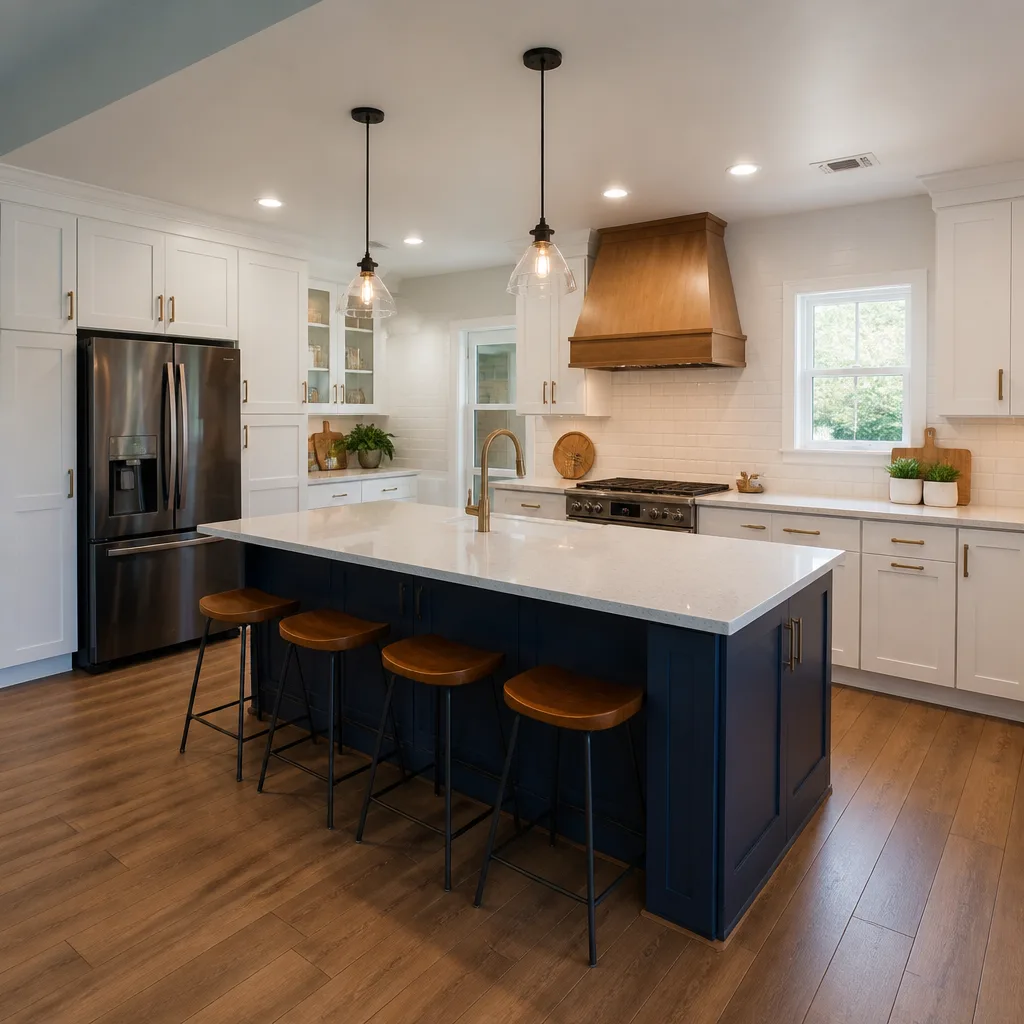
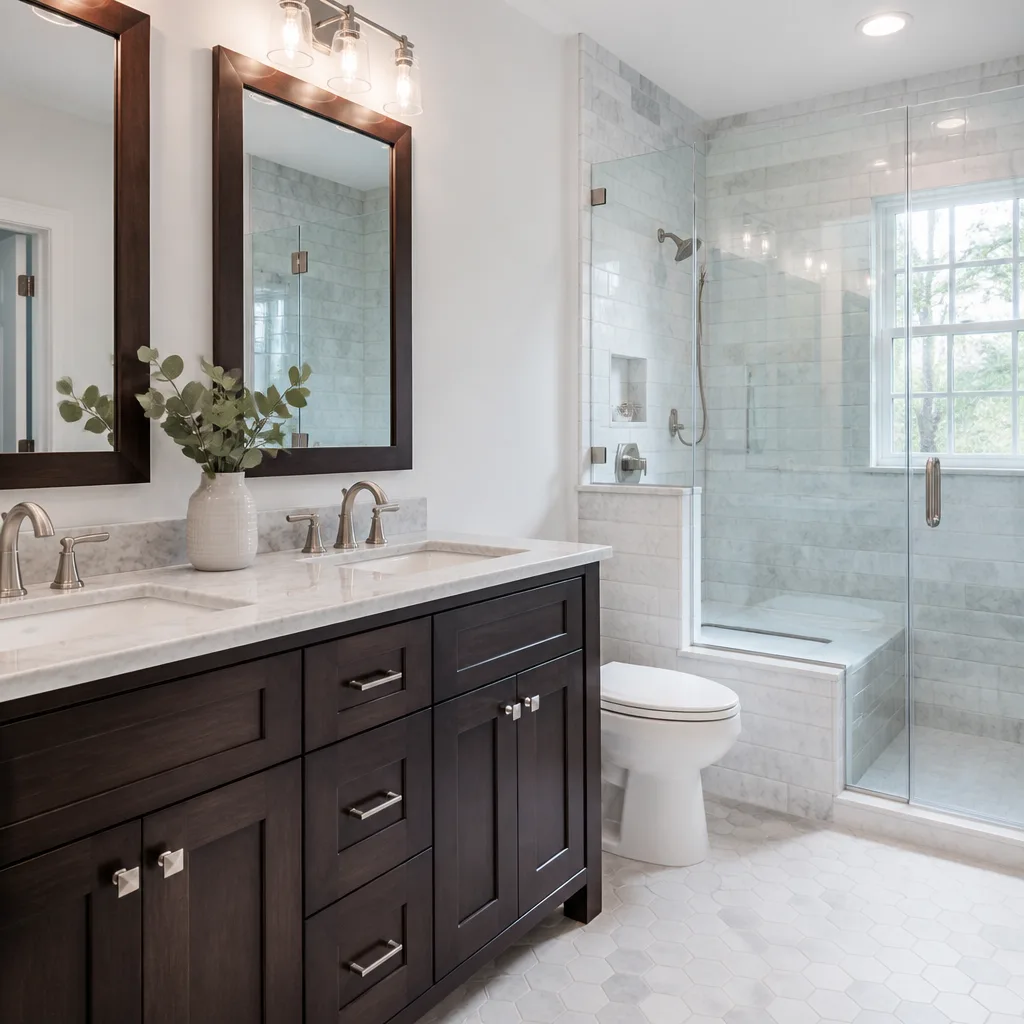





 Before
 After
After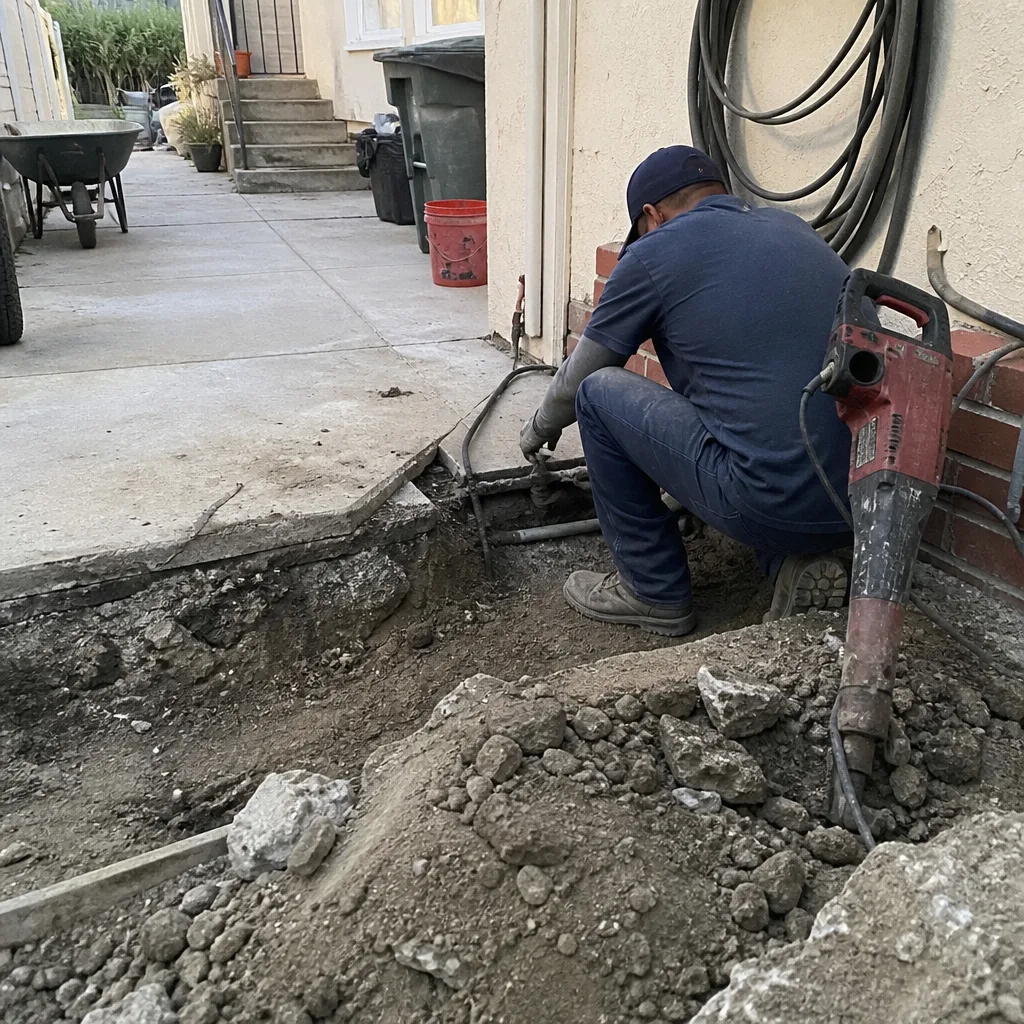 Before
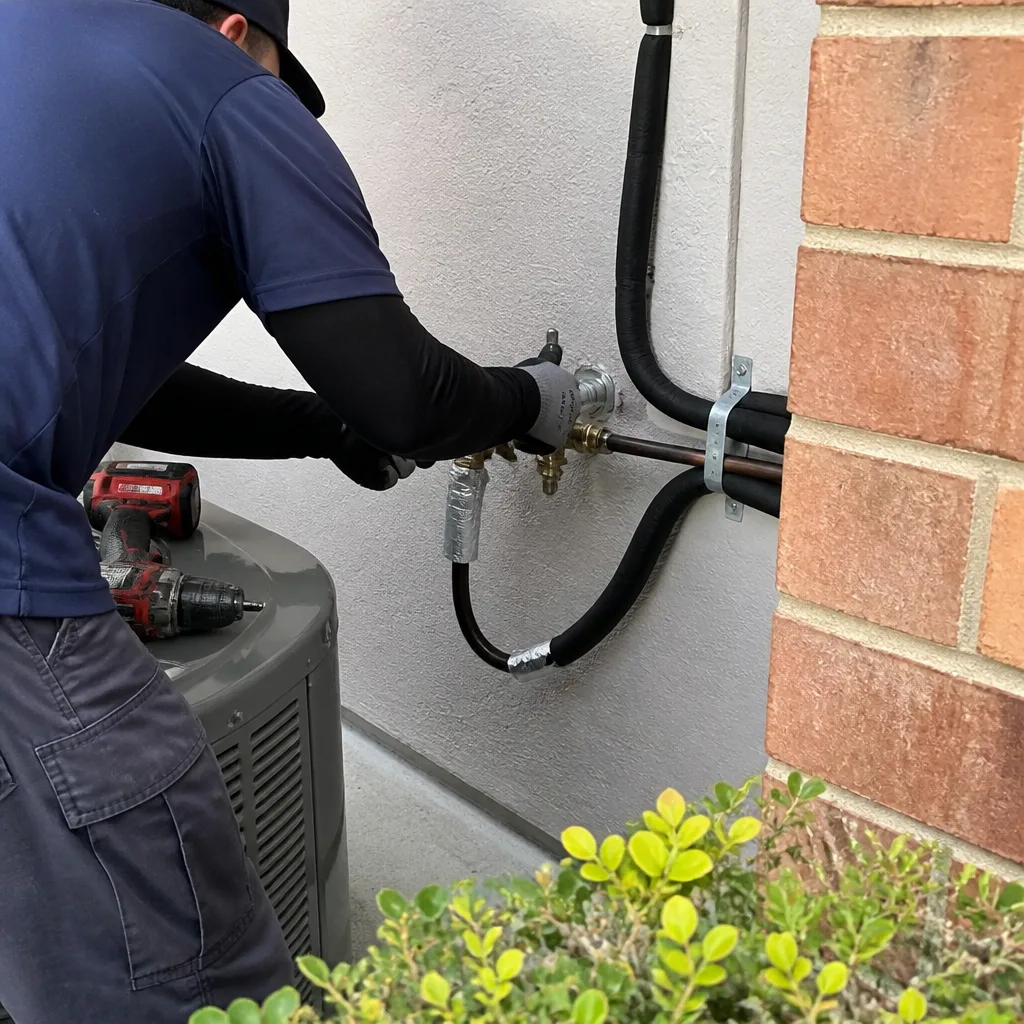 After
After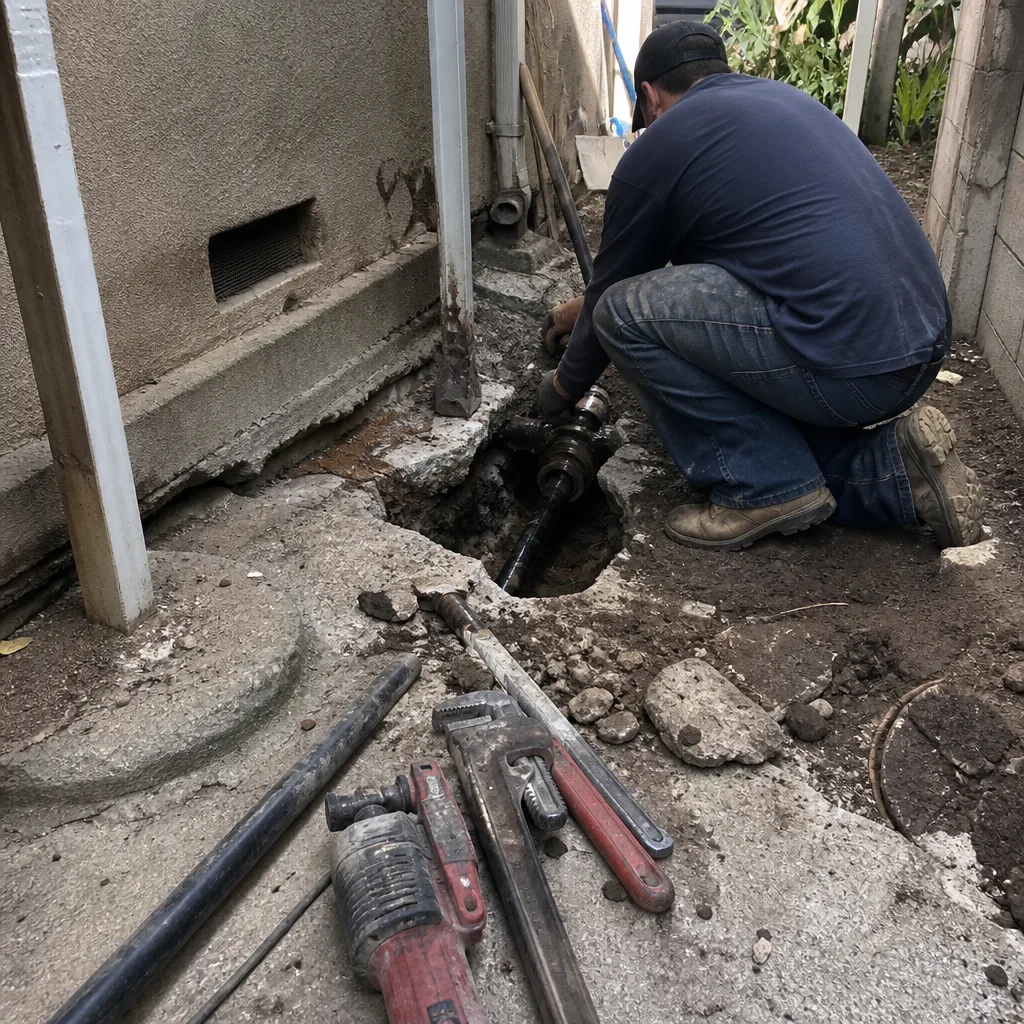 Before
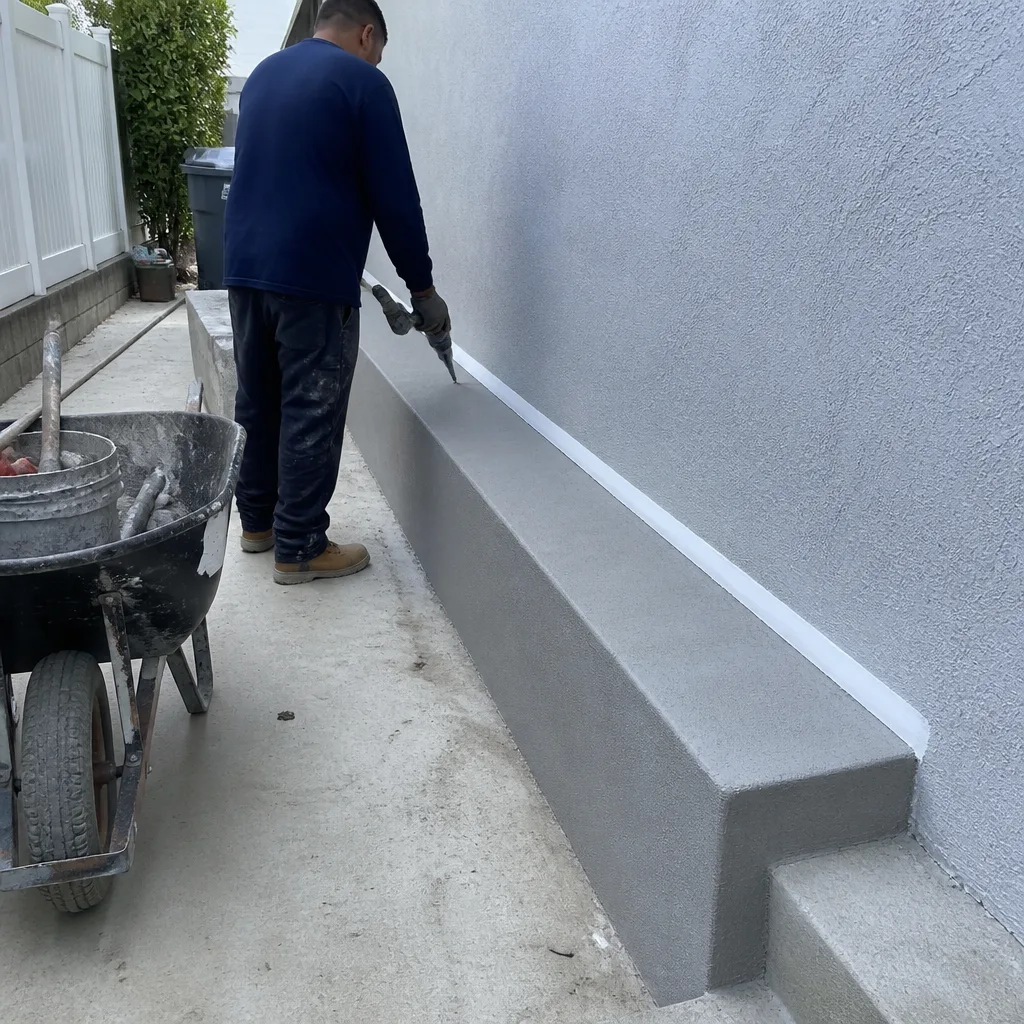 After
AfterHow to Hire a Construction Contractor in Pomona: A Step-by-Step Guide
California’s Contractors State License Board shows that in a recent three-year period, Pomona-area homeowners filed hundreds of complaints against unlicensed operators - most of whom were discovered only after a failed inspection, not before the contract was signed. The lesson is simple: in Pomona’s construction market, verification beats conversation. This guide gives you an exact checklist of documents to request, how to read them, and what separates a contractor who finishes within a few percent of the quoted price from one who doesn’t. You’ll learn the specific CSLB license verification steps, how to read an insurance certificate for gaps, how to spot allowance line items that shift cost risk to you, and the reference-check questions that reveal whether a contractor’s projects actually close out on budget.
Quick Answer
Hiring a construction contractor in Pomona requires verifying three documents before any work discussion: a current CSLB license matching your project type, an insurance certificate naming you as holder with minimum $1M general liability and active workers’ comp, and a line-item written bid with fixed prices rather than allowances. Request references from three completed projects in the last 24 months and ask each about final invoice versus original contract price. Only then should you compare bids.
Table of Contents
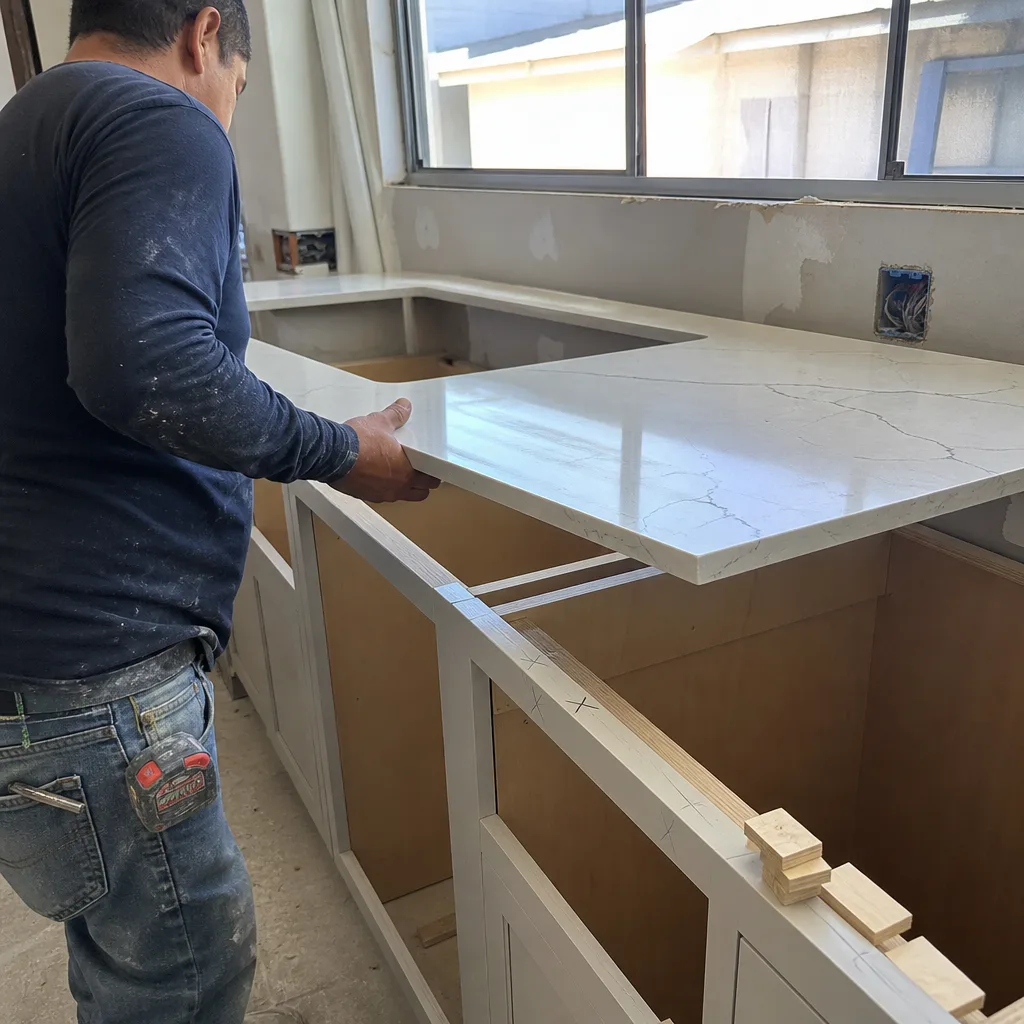
- How to Verify a CSLB License in Pomona
- What a Compliant Insurance Certificate Must Show
- How to Read a Line-Item Bid: Fixed Price vs. Allowance
- The Three Questions That Reveal a Contractor’s Change Order Discipline
- A Reference Check Script That Actually Works
- Pomona-Specific Permits, Codes, and Climate Considerations
- Red Flags That Should End the Conversation
- Common Mistakes to Avoid
- When to Call a Professional
- Frequently Asked Questions
- The Bottom Line
 Before
 After
AfterHow to Verify a CSLB License in Pomona
The Contractors State License Board maintains the only database that matters. Here’s the exact process we recommend every Pomona homeowner complete before a contractor sets foot on the property.
- Go to cslb.ca.gov and click “Check a License.” Enter the contractor’s license number. Do not accept “pending” or “applied for” - only a current, active license counts.
- Confirm the classification matches your project. A B-General Building Contractor can oversee projects involving two or more unrelated trades, but cannot perform single-trade specialty work unless they hold that specific classification. For kitchen remodeling in Pomona, a C-36 Plumbing or C-10 Electrical license may be required for subcontracted work; the B license holder must use properly licensed subs. For roofing in Pomona, a C-39 Roofing Contractor license is mandatory for the roofing portion itself.
- Verify the bond is current. The license detail page shows bond status. California requires a $25,000 contractor’s bond. If the bond lapsed even briefly, the license was invalid during that period.
- Check disciplinary history. The CSLB lists citations, suspensions, and revocations. A single serious violation - especially for unlicensed subcontracting or abandonment - is enough to remove a contractor from consideration.
- Confirm the business name matches. Discrepancies between the CSLB listing and the contractor’s business card or contract are common with unlicensed operators using another company’s number.
In Pomona’s older neighborhoods like Lincoln Park and Mayfair, we’ve encountered homeowners who hired a handyman with a valid C-61/D-49 (Miscellaneous) license to perform structural work requiring a B classification. The project failed inspection, the homeowner paid twice, and the CSLB could not help because the wrong license type was used from the start. The five-minute verification above prevents this.
Rowan Construction Group Pomona operates under CSLB license verification as standard practice. We provide our license number on every proposal and encourage homeowners to verify it independently. Under The Haven Standard, Clause 1 requires documentation before any work begins - and that starts with the license itself.
What a Compliant Insurance Certificate Must Show
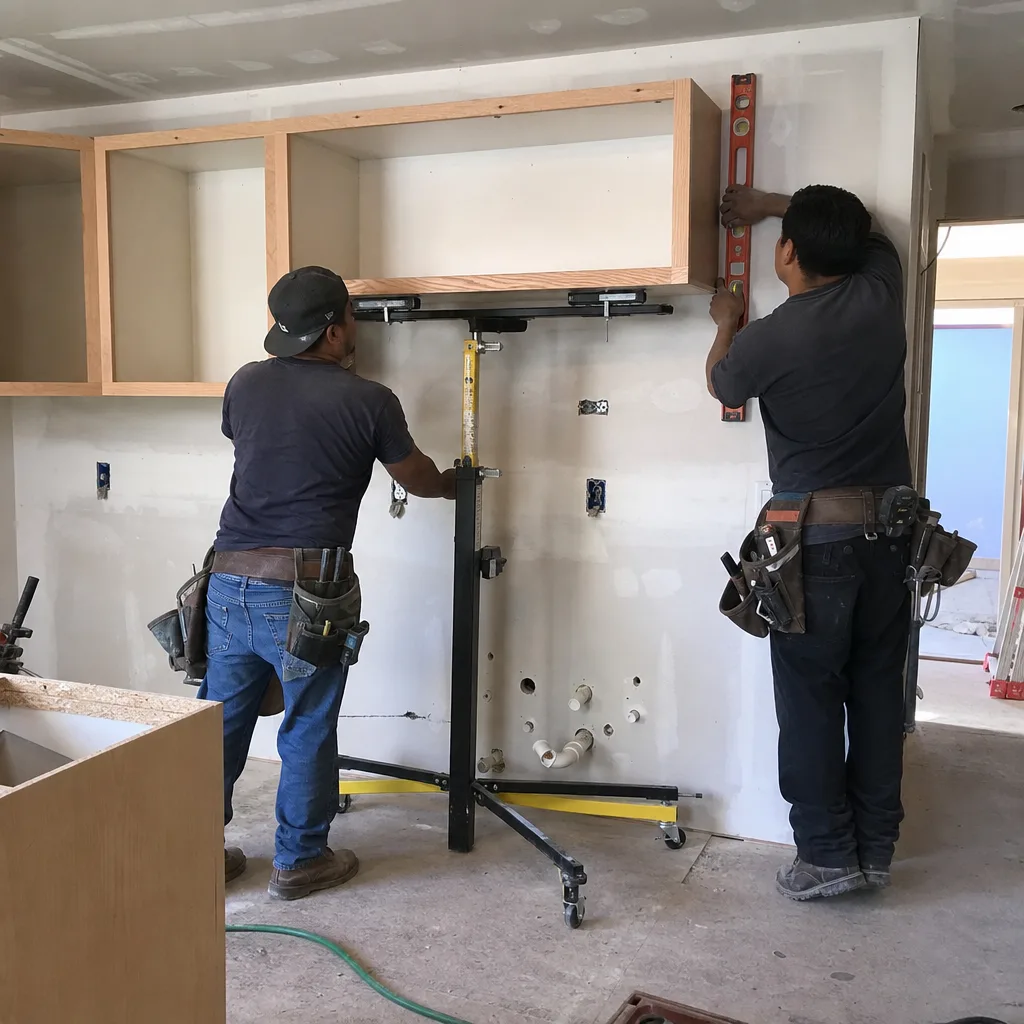
A contractor who cannot produce a certificate of insurance (COI) within 24 hours is not insured, or the policy has lapsed. Here’s what the document must contain, and what insufficient coverage looks like.
Required Elements on Every COI
- General liability minimum $1,000,000 per occurrence. This covers property damage and bodily injury during construction. Policies with $500,000 limits are common among residential-only operators and are inadequate for most Pomona projects.
- Workers’ compensation policy with active status and policy number. California requires workers’ comp for any contractor with employees. The COI must show the policy number, not merely “N/A” or “exempt.” An “exempt” status often means the contractor uses unreported day labor - leaving you exposed if someone is injured on your property.
- Your address listed as “Certificate Holder.” This ensures you receive notice if the policy is cancelled. A COI naming only the contractor provides you zero protection.
- Additional insured endorsement. This extends coverage to you for claims arising from the contractor’s negligence. Without it, your homeowner’s policy becomes the primary target.
- Expiration dates after your project completion. A policy expiring mid-project is a common gap. Request a COI with a minimum 90-day buffer past your estimated completion date.
What a Deficient COI Looks Like
We’ve reviewed competitor COIs brought in for our Free Second Opinion service. Common deficiencies include: general liability with a $300,000 limit and a per-project aggregate that resets to zero after the first claim; workers’ comp listed as “owner only” despite a three-person crew visible on the job site; certificate holder left blank; and policies from out-of-state carriers not admitted in California, which complicates any claim.
In Pomona, where many homes in the Ganesha Hills and Phillips Ranch areas sit on sloped lots with access challenges, the injury risk is not theoretical. A worker falling on a hillside property without proper workers’ comp coverage becomes your financial exposure. The COI is not paperwork - it’s your shield.
How to Read a Line-Item Bid: Fixed Price vs. Allowance
This is where most Pomona homeowners lose control of their budget. The format of the bid determines who bears the risk when actual costs differ from estimates. Here’s how to read what you receive.
Fixed-Price Line Items
A fixed-price line item states: “Remove and replace 24 linear feet of kitchen cabinetry - $4,200.” If the actual cabinetry costs more or less, the contractor absorbs the difference. This is the format Rowan Construction Group Pomona uses for every proposal. Under Clause 1 of The Haven Standard, the written price before any work starts is non-negotiable - and that means fixed numbers, not estimates dressed as prices.
Allowance Line Items
An allowance reads: “Cabinetry allowance - $4,200.” This means the contractor has budgeted $4,200, but you will pay the actual invoice amount regardless of what it is. If your selection comes to $5,800, you owe $1,600 more. If it comes to $3,400, you rarely receive a credit. Allowances shift all cost risk to you and incentivize the contractor to underestimate - making the initial bid appear lower than competitors’.
The Hybrid Trap
Some Pomona contractors use fixed prices for labor and allowances for materials. This seems reasonable until you realize that material selection drives labor complexity. A $12/foot ceramic tile and a $45/foot porcelain plank install at different rates; if the tile is an allowance but labor is fixed, the contractor has incentive to rush the expensive material or recommend against it.
How to Compare Apples to Apples
- Request that every major material category be quoted as fixed price with specific brand and model, or as allowance with the source catalog named.
- For allowances, ask: “What happens if my selection is under budget?” The honest answer is a credit; the evasive answer reveals intent.
- Compare total project cost including a realistic allowance spend, not the allowance number itself. A $25,000 kitchen with $8,000 in allowances may cost $34,000; a $28,000 fixed-price kitchen costs $28,000.
Our kitchen remodeling in Pomona proposals specify brands like KraftMaid or Wellborn cabinets, Cambria or Caesarstone countertops, and Kohler or Toto fixtures - each with a fixed price. The homeowner knows the total before anyone picks up a tool, and that total has stayed within a few percent across 4,000-plus projects because no change proceeds without a signed change order.
The Three Questions That Reveal a Contractor’s Change Order Discipline
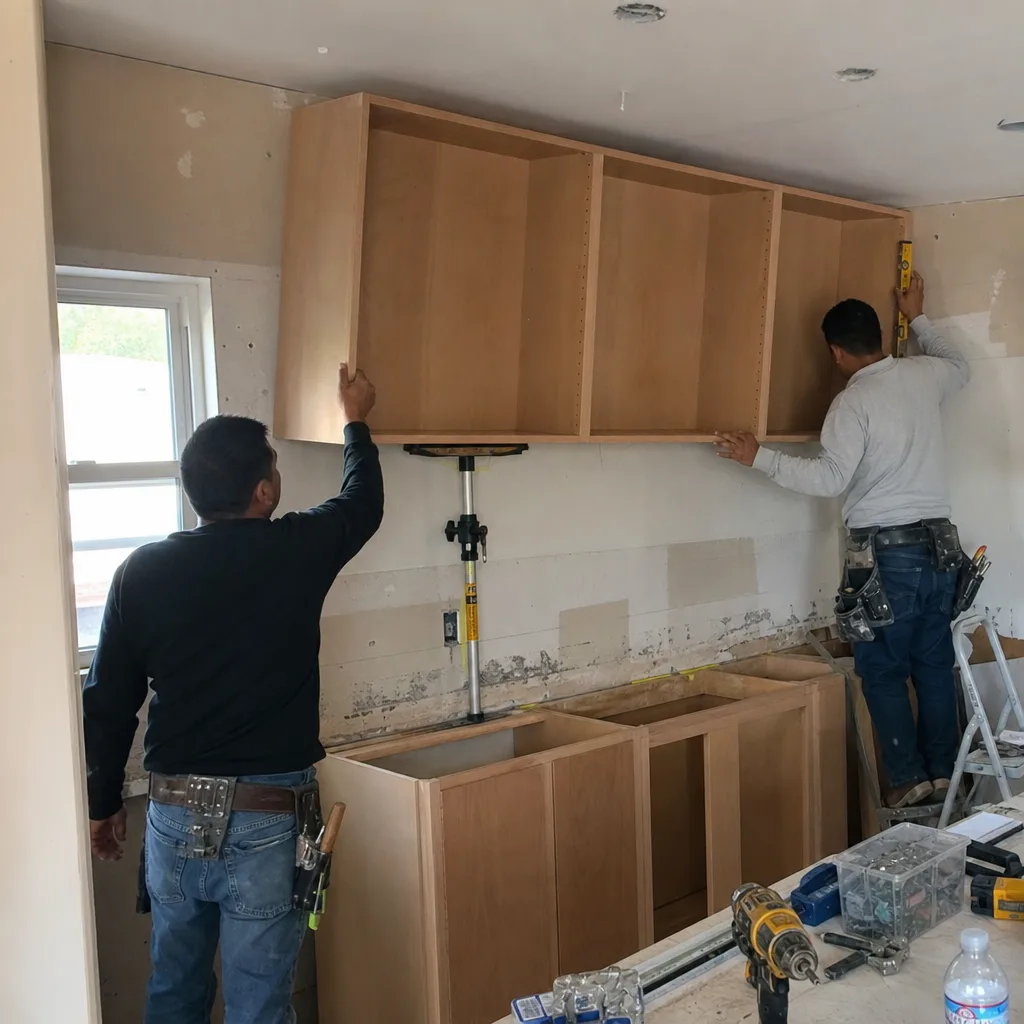
Scope changes are inevitable in construction. What separates professionals from operators is whether those changes are documented before the work proceeds. In Pomona’s municipal inspection process, undocumented changes often fail inspection - forcing costly rework and delay.
Ask these three questions in your initial meeting. The answers reveal whether your project will finish on budget or drift:
- “Walk me through your last change order - what triggered it, how was it priced, and when was it signed?” A contractor who cannot describe a specific recent example has no system. At Rowan Construction Group Pomona, every change order includes: the triggering condition (homeowner request, concealed condition, or code requirement), a line-item price with material and labor separated, and a signature line for both parties. No signature, no work. This discipline, acquired when Haven purchased Rowan in 2019, is why our projects finish within a few percent of the agreed price.
- “If I request a change verbally during a site visit, what happens?” The wrong answer: “We’ll take care of it, don’t worry about it.” The right answer: “We’ll document it, price it, and you’ll sign before we proceed - even if that means returning tomorrow.” Verbal changes are where budgets die. In Pomona, where the Building & Safety Division requires plans matching permitted scope, an undocumented change can invalidate your inspection schedule.
- “What percentage of your projects have zero change orders?” The honest answer is near zero. A contractor claiming 90% of projects have no changes is either doing trivial work or not counting verbal agreements as changes. The meaningful metric is: what percentage finish within 5% of the original contract price? At Rowan, that figure is published and tracked.
The Haven Standard requires signed change orders because it protects both parties. Homeowners receive price certainty; contractors receive protection against scope creep. In our experience across Pomona’s varied housing stock - from 1920s bungalows in Mayfair to 1980s tract homes in Phillips Ranch - concealed conditions are common. A proper change order system turns surprises into manageable, documented adjustments rather than disputes.
A Reference Check Script That Actually Works
“Were you happy with the work?” is a useless question. Every contractor has three homeowners who will say yes. Here’s what to ask instead, and what the answers reveal.
The Six Questions
- “What was your original contract price, and what was your final invoice?” You’re listening for the gap. Under 5% suggests fixed pricing discipline; over 15% suggests allowance abuse or change order chaos. Ask for documentation - a contractor who tracked the difference will have it.
- “When did permits get submitted, and when did final inspection pass?” In Pomona, permit timelines vary by project type, but a contractor who cannot name the dates lacked urgency or lost track. For bathroom remodeling in Pomona, plan review typically takes 2-3 weeks; final inspection should occur within days of completion, not months.
- “Did the crew arrive when scheduled, and were they the same people throughout?” Rotating crews suggest subcontractor instability. Background-checked, uniformed technicians who appear consistently indicate a employed workforce with oversight.
- “What documentation did you receive at project close?” The answer should include: final invoice matching the contract plus signed change orders, lien releases from all subcontractors and suppliers, warranty documentation, and inspection sign-offs. Rowan Construction Group Pomona adds a documented photo record of the completed work - standard, not optional.
- “Have you needed warranty service, and how was it handled?” A contractor with no warranty calls in five years is suspect - either the work is perfect (rare) or the warranty is unexercised because the homeowner lost the documentation or the contractor became unreachable. The 365-Day Done Right Promise at Rowan is printed on every proposal, with a terms page, not an asterisk.
- “Would you hire them again for a different project?” Repeat business is the ultimate signal. A homeowner who used a contractor for kitchen, then roofing, then windows, has verified consistency across trades and time.
Where to Find References Beyond the Contractor’s List
Check the CSLB complaint history - not just whether complaints exist, but how they were resolved. Search “[Contractor Name] Pomona” in local neighborhood forums and Nextdoor threads. Drive past completed projects in Pomona’s Lincoln Park Historic District or newer developments near Cal Poly Pomona; if addresses were provided, observe the work from the street after a rainstorm - drainage details and material aging reveal what a sunny-day walkthrough cannot.
Pomona-Specific Permits, Codes, and Climate Considerations
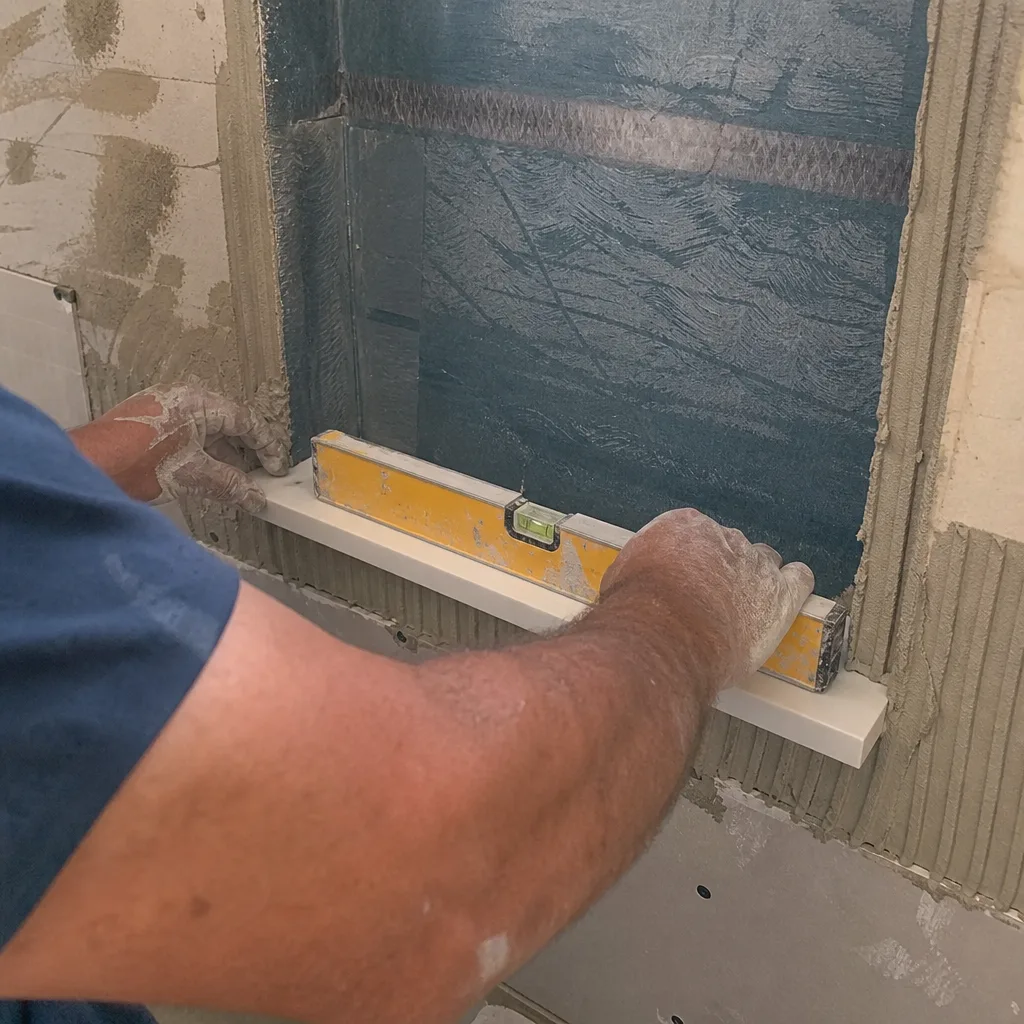
Pomona’s construction environment has unique characteristics that affect contractor selection and project planning. Understanding these helps you evaluate whether a contractor has actual local experience or merely a local address.
Permit and Inspection Realities
Pomona Building & Safety Division requires permits for structural work, electrical, plumbing, HVAC, and roofing. The city uses the 2022 California Building Code with local amendments. Critical for homeowners: Pomona requires separate plumbing and electrical inspections for most remodeling projects, and these must be scheduled through the city’s online system - a contractor unfamiliar with the portal causes delays.
For home additions and ADUs, Pomona follows Los Angeles County’s ADU ordinance with city-specific setbacks. A contractor who has not recently completed an ADU in Pomona specifically may not know the current floor area ratio calculations or the revised parking waiver provisions. This matters because an incorrect permit submission costs 4-6 weeks.
Climate and Material Selection
Pomona’s inland valley climate brings specific material stresses. Summer temperatures regularly exceed 95°F, with UV exposure more intense than coastal Los Angeles. Roofing materials must handle thermal cycling; we specify GAF or Owens Corning shingles with adequate attic ventilation because we’ve seen premature failure from heat buildup in Phillips Ranch homes with inadequate soffit venting.
Winter brings the occasional freeze-thaw cycle, minimal but enough to damage improperly installed hardscape. For Rowan Construction Group Pomona home driveway and paver projects, we account for base preparation depth and drainage slope that handles both summer cloudburst intensity and winter saturation. Belgard and Techo-Bloc pavers, properly installed on 6-8 inches of compacted base with geotextile separation, handle this; thin-set concrete over unprepared soil does not.
Soil and Foundation Context
Pomona’s geology includes expansive clay soils in areas near Ganesha Hills and alluvial deposits in the valley floor. Foundation work requires soils reports for additions; a contractor who does not mention this in their initial assessment lacks relevant local experience. We’ve reviewed competitor proposals for room additions with no geotechnical budget - a $3,000-5,000 omission that becomes a change order or, worse, a structural failure.
Historic District Requirements
The Lincoln Park Historic District and several smaller zones have design review requirements for exterior alterations. A contractor who begins work without HPOZ (Historic Preservation Overlay Zone) clearance, where applicable, can be ordered to remove completed work. Verify with Pomona Planning Division before any exterior modification in these areas.
Red Flags That Should End the Conversation
Some signals are definitive. No second chance, no “maybe it’ll work out.” End the conversation and verify your documentation with the CSLB if you encounter:
- Pressure to sign today for a “locked-in” price. A written price before any work starts is meaningless if you’re rushed past reading it. Under The Haven Standard, you receive the proposal and have time to review, compare, and ask questions.
- Request for large upfront payment. California limits down payments to $1,000 or 10% of contract price, whichever is less. A contractor requesting 30% or 50% before work begins is either undercapitalized or planning to disappear.
- No physical business address in Pomona or adjacent service area. PO boxes and virtual offices make service of legal process difficult if problems arise.
- Refusal to provide references from the last 12 months. Recent work is verifiable; old references may reflect a different company, different ownership, or different standards.
- Bid substantially below all competitors. In Pomona’s market, a bid 30% below the next lowest proposal indicates omitted scope, allowance abuse, or intention to change-order the difference. Our Free Second Opinion service exists partly to review such outliers - bring us a suspiciously low bid and we’ll identify what’s missing.
- No mention of permit requirements. A contractor who says “we can probably skip permits for this” is proposing illegal work that voids your insurance, complicates resale, and exposes you to city penalties. In Pomona, unpermitted work discovered during sale disclosure can delay closing by months.
Common Mistakes to Avoid
- Starting with design before verifying the contractor can build it. We’ve met Pomona homeowners with $800 architect drawings for a project their selected contractor cannot permit or price accurately. Verify license, insurance, and relevant project experience before investing in detailed plans.
- Comparing bids with different scopes. One contractor includes permit fees, another doesn’t. One specifies roofing in Pomona with Owens Corning Duration shingles, another with generic “architectural shingle.” The lower bid is not cheaper - it’s different. Demand line-item alignment before comparison.
- Ignoring the subcontractor question. Who performs the electrical? The plumbing? If the general contractor uses unlicensed subs, you have no CSLB recourse for their work. Request subcontractor license numbers and verify them independently.
- Accepting verbal warranty terms. “Lifetime warranty” means nothing without a written document defining the term, the coverage, and the process. The 365-Day Done Right Promise at Rowan is printed with terms - because a warranty without terms is a slogan.
- Neglecting lien release documentation. California mechanics lien law allows suppliers and subcontractors to lien your property if the general contractor doesn’t pay them, even if you paid the contractor in full. Demand conditional lien releases with each progress payment and unconditional releases at final payment.
- Choosing based on personality rather than documentation. The contractor who brings coffee and remembers your dog’s name is not necessarily the one who pulls permits, signs change orders, and finishes on budget. Evaluate the system, not the rapport.
When to Call a Professional
Call a licensed, insured contractor before any project involving structural modification, electrical or plumbing alteration, roofing replacement, or work requiring city permits. In Pomona, this covers most projects beyond cosmetic painting and flooring. The cost of professional execution - permits pulled, inspections passed, warranties documented - is recovered at resale and protected by insurance.
Rowan Construction Group Pomona offers free estimates in Pomona - call (626) 606-1081. Every estimate includes a written, line-item, fixed-price proposal with scope, schedule, and warranty documented before any work begins. Bring a competitor’s written estimate and we’ll review it line by line at no charge through our Free Second Opinion service.
Frequently Asked Questions
Project costs in Pomona range widely by scope and trade: kitchen remodeling typically runs $35,000-$85,000 for a full renovation, bathroom remodeling $18,000-$45,000, and roofing replacement $12,000-$28,000 for standard residential homes. These ranges reflect fixed-price proposals with specified materials, not allowances that shift risk. Call (626) 606-1081 for an exact quote on your specific project - estimates are free.
Visit cslb.ca.gov, click “Check a License,” and enter the license number. Verify the status is “Active,” the classification matches your project type, the bond is current, and the business name matches all documents. This takes under five minutes and is the single most important verification step. Rowan Construction Group Pomona provides its license number on every proposal for independent verification.
With a fixed-price contract and signed change order discipline, the price should not change unless you request modifications or concealed conditions are discovered. At Rowan Construction Group Pomona, no change proceeds without a signed change order - this is the administrative discipline that has kept projects within a few percent of the agreed price since 2007. Ask any contractor: “What was your average final invoice versus original contract price last year?”
Yes - Rowan Construction Group Pomona pulls all required permits and schedules inspections as part of every project. The permit cost is included in your written proposal, not added later. In Pomona, permit requirements vary by neighborhood and project type; we verify with Building & Safety before work begins to avoid mid-project surprises.
Timelines vary by project scope and permit type. A typical kitchen remodel takes 6-10 weeks of construction after permit approval; bathroom remodels 4-6 weeks; roofing replacement 2-5 days weather permitting. Pomona’s Building & Safety Division typically processes residential permits in 2-4 weeks for standard projects. Your written proposal includes a schedule with milestones. Call (626) 606-1081 for a timeline specific to your project.
Decline. Cash payments eliminate your paper trail, void your ability to dispute charges, and often indicate tax evasion or unlicensed operation. California contractors must provide a written contract for projects over $500, and payments should be traceable. At Rowan Construction Group Pomona, all transactions are documented with written invoices matching the contract - standard practice, not an upgrade.
The Bottom Line
Hiring a construction contractor in Pomona is a document-collection process that happens before any tool touches your property. Verify the CSLB license classification and status. Read the insurance certificate for your name as holder, $1M general liability, and active workers’ comp. Compare line-item bids for fixed prices versus allowances. Ask the three change order questions. Run the reference check script. These steps take approximately three hours and separate projects that finish on budget from projects that don’t.
Rowan Construction Group Pomona has operated under these standards since 2007 - written price before any work starts, signed change orders for every modification, documented photo records on every visit, and the 365-Day Done Right Promise backed by The Haven Standard. The documentation we provide is not marketing; it’s the system that has delivered 4,000-plus projects within a few percent of the agreed price.
Written by Grant Rowan, Owner at Rowan Construction Group Pomona, serving Pomona since 2007.